New - 1 Hour Ago
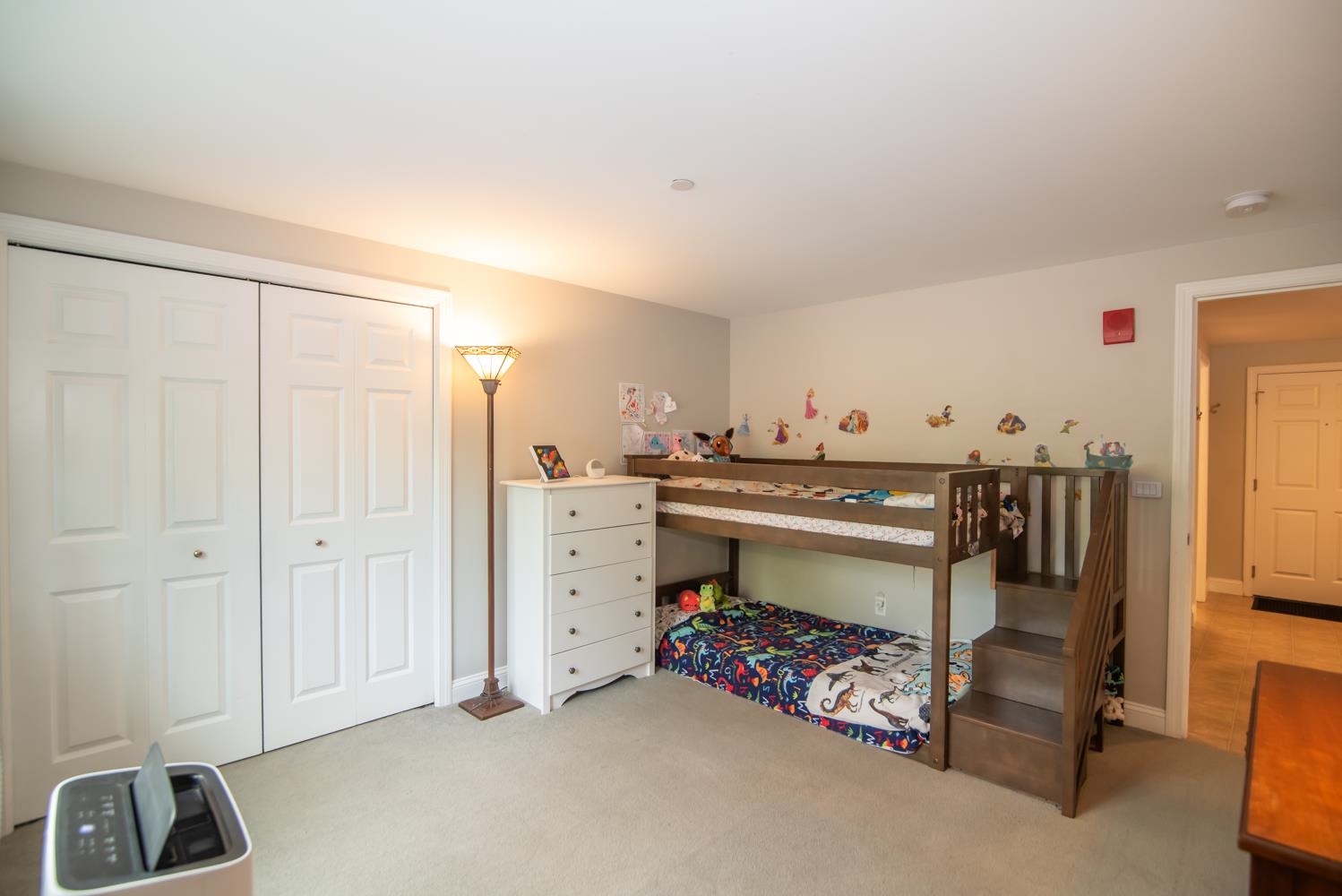




Manchester is better understood as a collection of residential settings than as a city of neatly bounded neighborhoods. This guide explains the North End, downtown and the Millyard, the West Side, Rimmon Heights, South Manchester, and eastern residential areas while keeping the focus on property characteristics and verifiable municipal information.
Start with the broader Manchester real estate and market guide, then use this article to identify the streets, housing types, and due-diligence questions that fit your search.
Manchester has official wards, zoning districts, historic districts, recorded subdivisions, tax parcels, and locally used neighborhood names. Those systems do not always share the same boundaries. A name such as North End, Rimmon Heights, or South End can describe a broad area rather than a legally defined polygon.
Neighborhood labels are useful for orientation, but an individual home should be evaluated by its exact address. Confirm the ward, zoning district, parcel record, school assignment, utilities, parking, permitted use, and any historic or condominium restrictions through the appropriate official records.
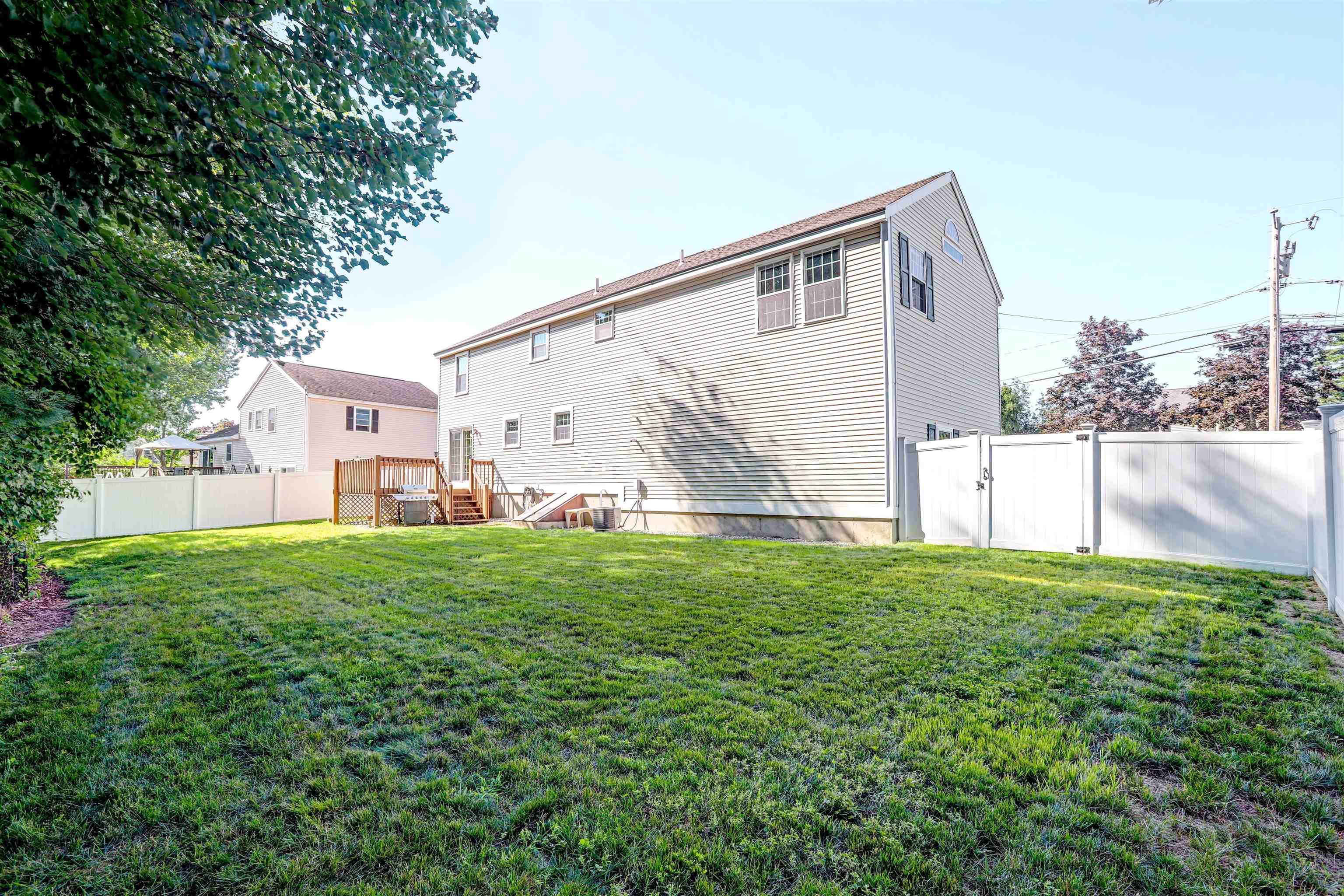
The North End is commonly associated with established residential streets north of downtown. Housing can include larger historic houses, early- and mid-20th-century detached homes, infill construction, and smaller multifamily buildings. Lot size, renovation history, traffic exposure, and proximity to major roads vary substantially from one street to another.
Buyers considering an older home should look beyond cosmetic updates. Review permits, electrical service, plumbing, insulation, roofing, chimneys, foundation conditions, drainage, and evidence of moisture. If an attic, lower level, porch, or accessory space has been altered, verify approvals and permitted use.
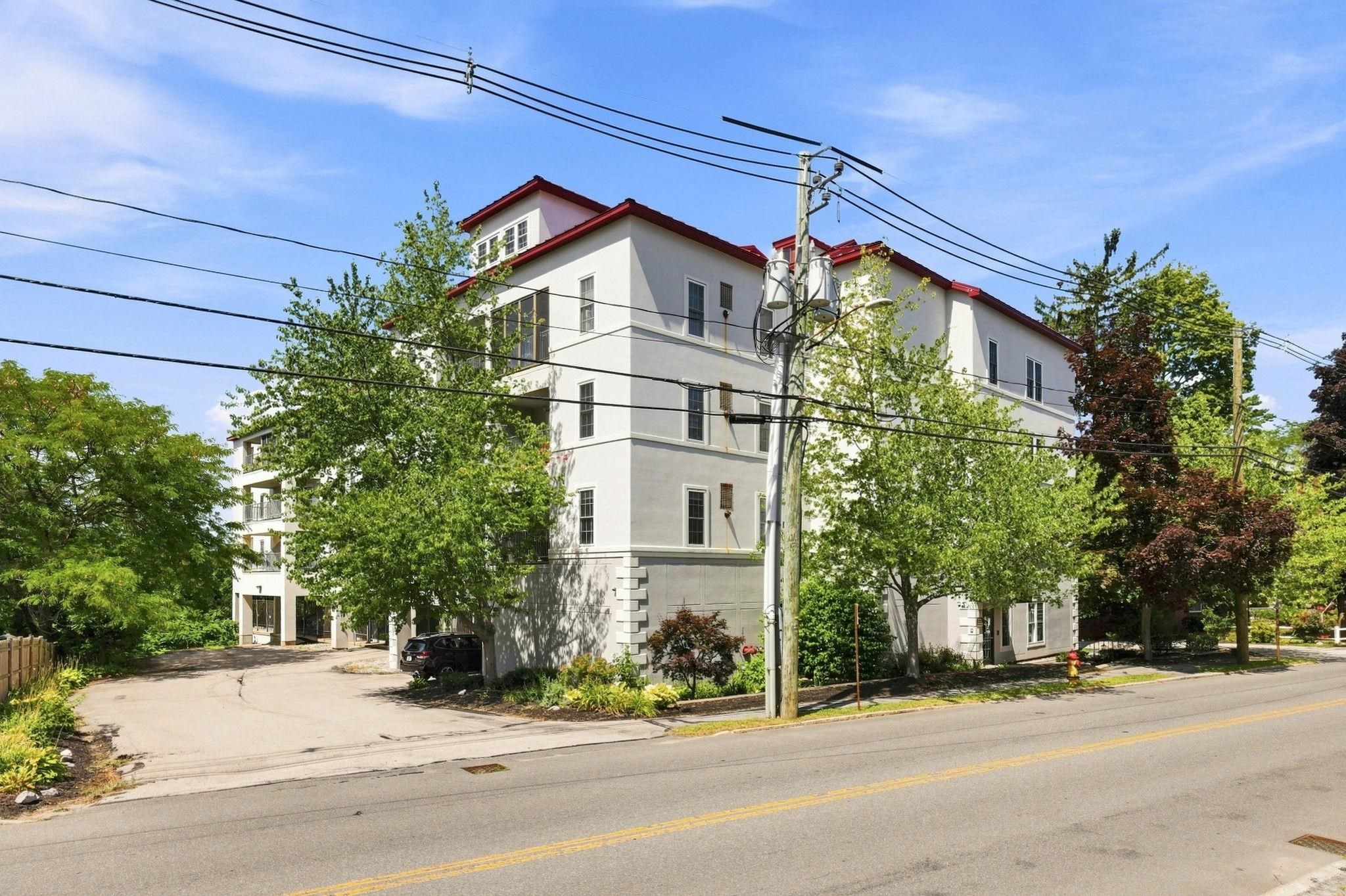
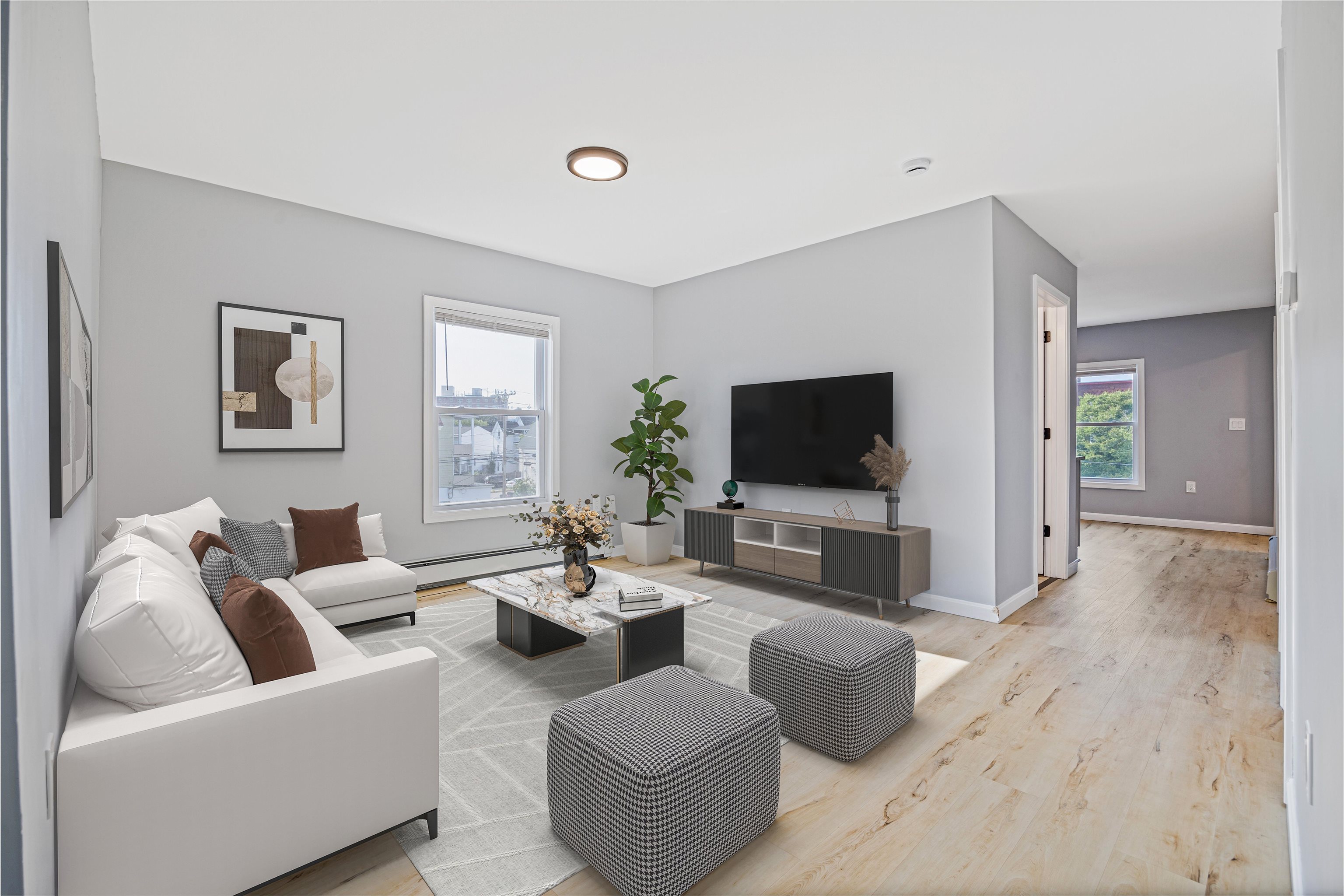
Downtown and the Millyard concentrate civic buildings, restaurants, offices, cultural destinations, historic industrial architecture, apartments, and condominiums. The housing experience can differ sharply from a detached residential neighborhood because parking, association rules, building systems, elevators, insurance, noise, and shared maintenance may be central to the purchase.
For a condominium or converted historic building, request the declaration, bylaws, budgets, reserve information, meeting minutes, insurance documents, current assessments, rental restrictions, pet rules, parking rights, and planned capital projects. Confirm exactly what belongs to the unit and what is maintained by the association.
The West Side lies across the Merrimack River from downtown and contains a broad mixture of detached homes, two- to four-unit buildings, apartments, neighborhood businesses, and residential streets with different ages and densities. Bridge access, Interstate 293, local traffic, and the location of daily destinations can affect how an address functions.
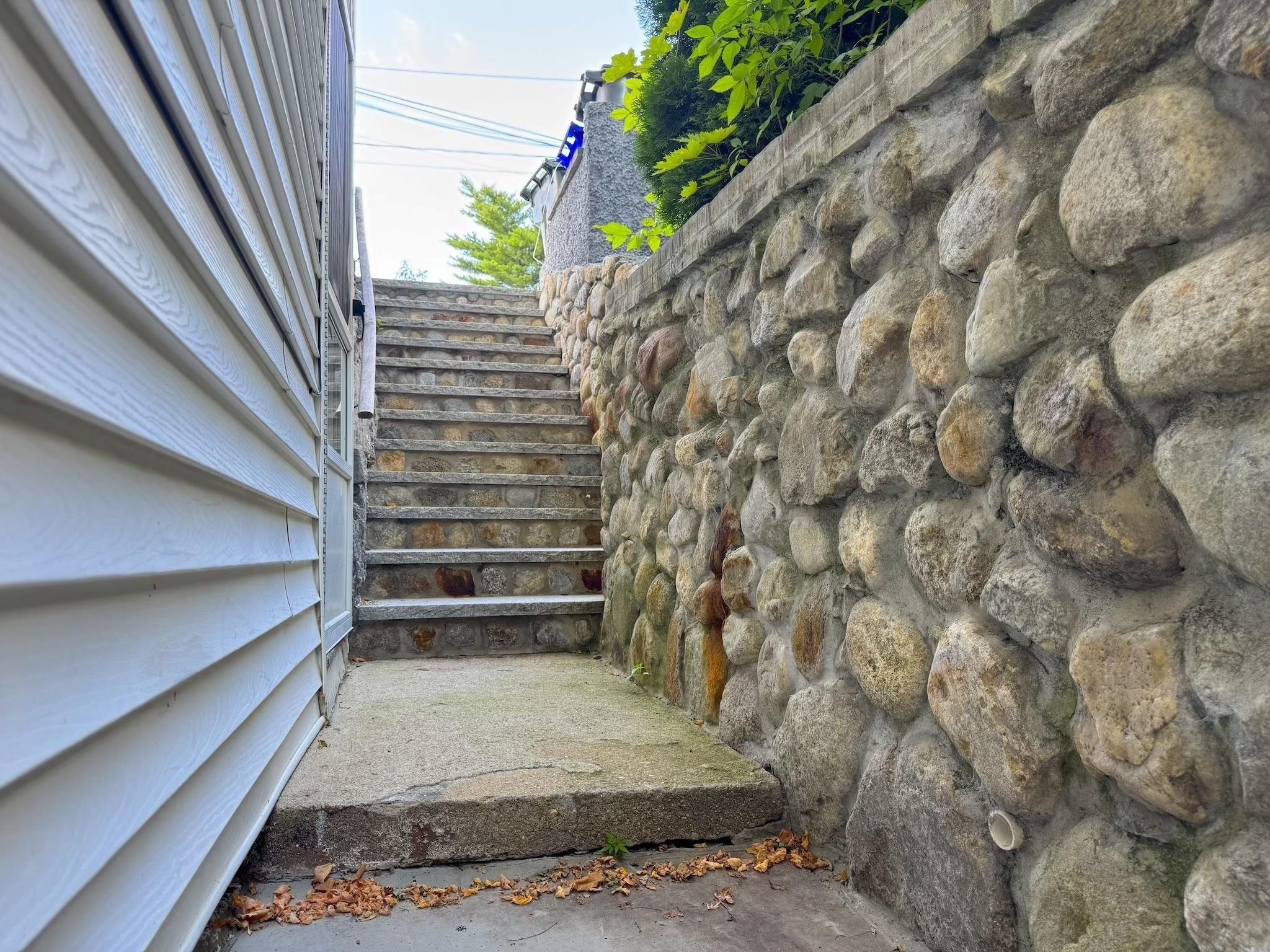
When comparing West Side properties, evaluate off-street parking, driveway condition, retaining walls, lot slope, drainage, exterior maintenance, and the permitted number of dwelling units. A building advertised or used as multifamily should be verified through municipal and zoning records.
Rimmon Heights is a locally recognized name often used for portions of the western side of the city. The term can cover varied residential settings rather than one consistent housing type. Buyers may encounter compact detached homes, older multifamily buildings, and later residential development within the broader area.
Use the name as a search starting point, then compare the actual street, property type, parking, lot, traffic, building condition, and access to the routes you expect to use. Do not assume that two listings using the same neighborhood label share the same physical or regulatory characteristics.
South Manchester includes residential areas near major employment, retail, transportation, and airport-related corridors. Housing ranges from established detached homes to condominiums, townhouses, apartments, and newer development in some locations. Interstate access can be convenient, but road exposure, aircraft activity, commercial uses, and travel patterns should be evaluated at the specific property.
Visit at more than one time of day. Confirm driveway access, parking, noise, drainage, association responsibilities when applicable, and the route to work, school, healthcare, or other frequent destinations.
Residential areas east and southeast of downtown include detached-home neighborhoods, condominium communities, multifamily housing, and development near major roads and commercial services. Building age, density, lot size, topography, and utility arrangements can change over short distances.
For homes near undeveloped land, wetlands, streams, or steep slopes, investigate drainage, flood information, conservation restrictions, and nearby land-use approvals. The current view or open parcel beside a home is not a guarantee of future conditions.
Manchester's industrial and residential history contributes to a wide range of older buildings. Age alone does not determine condition, and visible renovation does not prove that concealed systems were updated. Buyers should review permits and inspections while also using qualified professionals to evaluate the structure and major systems.
Condominiums can provide a different maintenance structure from detached homes, but the monthly fee alone does not describe the cost. Compare what the association maintains, reserve funding, master insurance, deductibles, pending work, assessments, owner-occupancy requirements, financing eligibility, and restrictions.
For multifamily property, confirm the legal unit count, leases, deposits, utilities, fire and life-safety requirements, certificates or occupancy records when applicable, parking, and any open violations. Current rent does not by itself establish legal use or future income.
Official research: Use the City of Manchester's maps and GIS resources, Land Use Code, and Assessors Department.
Commonly used names include the North End, downtown, the Millyard, the West Side, Rimmon Heights, the South End or South Manchester, and eastern residential areas. These names can be informal and may not have one official boundary.
There is no objective best neighborhood. The useful comparison is whether a specific property and location match the buyer's housing type, budget, travel pattern, parking, condition, and due-diligence requirements.
Historic and older buildings appear in several parts of the city, including areas north of downtown and around the downtown and mill districts. Confirm the age, historic status, permits, and condition of the individual property.
Yes. Manchester includes conventional condominium communities, townhouses, and units in converted or historic buildings. Availability, fees, financing, insurance, and association responsibilities vary.
Manchester has two- to four-unit and larger multifamily property, but legal use must be verified. Review zoning, unit count, code records, leases, utilities, parking, and building condition before relying on projected income.
Open the Manchester real estate search for current listings, then use this guide to organize property and location questions.
Equal Housing Opportunity
New Hampshire Real Estate supports the principles of the Fair Housing Act and Equal Housing Opportunity. This guide provides objective information about property characteristics, housing types, municipal resources, and real estate research. Services are provided without discrimination based on any characteristic protected under applicable law.
Information is believed to be accurate but is not guaranteed. Neighborhood terminology, zoning, permits, utilities, association rules, property conditions, and municipal records can change. Buyers and sellers should independently verify information material to their decisions.