New - Just Now




Manchester, New Hampshire combines established city neighborhoods, historic mill architecture, condominium and multifamily options, and direct access to the state’s largest employment and service center. This guide explains Manchester’s housing patterns, July 2026 single-family market conditions, locally recognized areas, municipal research tools, and the property-level due diligence buyers should complete.
Manchester is located along the Merrimack River in Hillsborough County. Interstate 93, Interstate 293, Route 101, and the Everett Turnpike connect the city with Concord, Nashua, the Seacoast corridor, and Massachusetts. Manchester-Boston Regional Airport is south of the city, while downtown, the Millyard, hospitals, colleges, and commercial districts create several distinct employment and travel patterns within Manchester itself.
A city address should not be evaluated only by its distance from downtown. River crossings, highway access, school and work destinations, winter conditions, parking, and the time required to reach daily services can all affect how a location functions. Buyers should test the routes they expect to use at the hours they expect to travel.
Regional context: Use the Greater Manchester market guide to compare Manchester with Bedford, Goffstown, Hooksett, Auburn, Candia, Deerfield, Dunbarton, New Boston, and Weare.
Manchester does not have one uniform housing market. Detached homes on residential streets, compact older houses, larger historic homes, condominiums, townhouses, duplexes, triple-deckers, converted mill property, and mixed-use buildings can all appear within the city. Building age, density, parking, lot size, municipal utilities, association structure, and proximity to major roads vary by address.
The City adopted a new zoning ordinance in December 2025 that became effective March 1, 2026. The accompanying zoning map uses districts intended to reflect different development environments, including lower-density residential areas, detached-home neighborhoods, and higher-density or mixed-use settings. Zoning is an important starting point, but it does not prove the permitted status of a particular use or improvement.
Before relying on a property’s current layout or advertised use, buyers should review the zoning district, assessor record, permits, certificate or occupancy information when applicable, and any available plans. A finished attic, accessory unit, additional bedroom, multifamily configuration, parking arrangement, or home-business use should be verified rather than assumed.
Official resources: Manchester Land Use Code and the City’s maps and GIS resources.
Manchester contains official wards, zoning districts, recorded subdivisions, historic districts, and locally used neighborhood names. Those systems do not always share the same boundaries. The descriptions below are orientation tools, not official neighborhood borders or guarantees about an individual property.
The North End is commonly associated with established residential streets north of downtown, including a mix of historic and later single-family homes. Property age, lot size, traffic exposure, renovation history, and proximity to major roads differ considerably. Buyers considering an older or substantially renovated home should review permits, structural conditions, electrical and plumbing systems, insulation, moisture, and any historic requirements that apply to the specific address.
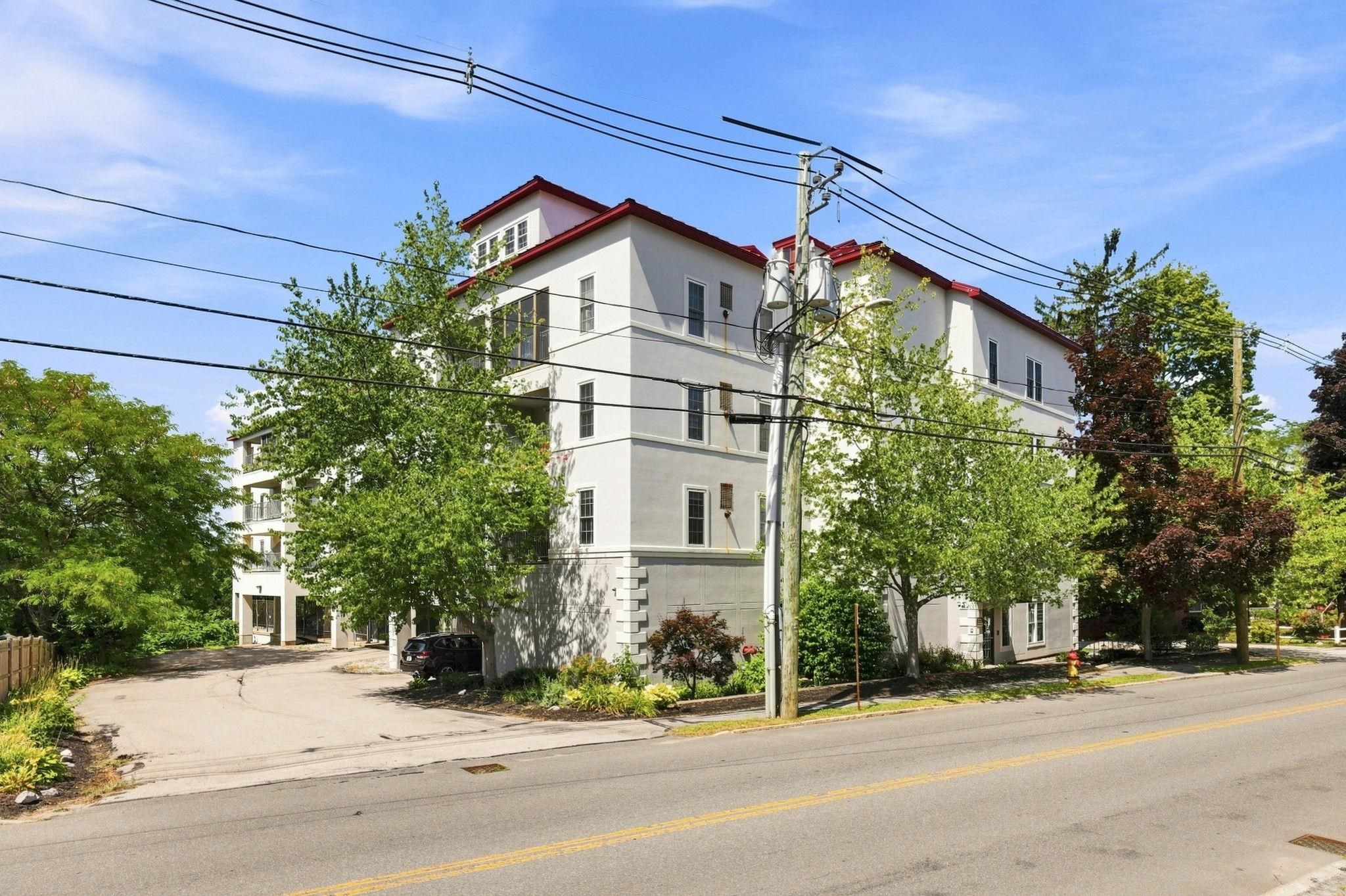
Downtown and the Millyard contain historic commercial and industrial buildings, apartments, condominiums, offices, restaurants, civic buildings, and cultural destinations. Residential buyers should investigate parking rights, building access, association finances, insurance, noise, mechanical systems, rental rules, and any planned work. A converted historic building may have very different maintenance and financing considerations from a conventional condominium development.
Manchester’s West Side includes residential and commercial areas across the Merrimack River from downtown. Locally used names such as Rimmon Heights can describe broad areas rather than precise legal boundaries. Buyers should compare the exact street, highway and bridge access, lot, building type, parking, traffic, and condition rather than relying on a neighborhood label alone.
South Manchester includes established residential areas and major commercial and transportation corridors leading toward the airport, Bedford, Londonderry, and Interstate 93. Housing ranges from detached homes to condominium developments and multifamily property. Road exposure, airport-related considerations, association documents, and commute routes should be reviewed for the individual address.
Areas east of downtown include established neighborhoods, newer development, commercial corridors, and access toward Auburn and Route 101. Topography, drainage, wetlands, traffic, utility connections, and development pattern can vary within short distances. The city’s GIS, zoning map, assessor record, and permit information provide a better property-level starting point than a broad area name.
The New Hampshire REALTORS® Local Market Update for Manchester reports 89 closed single-family sales in July 2026, up 7.2% from 83 in July 2025. The July median sale price was $500,000, an 11.1% increase from $450,000 one year earlier.
Through July 2026, Manchester recorded 404 closed single-family sales, up 9.8% from 368 during the same period of 2025. The year-to-date median sale price was $475,500, up 3.4% from $460,000. Closed-sales volume reached approximately $204.6 million, up 15.4% year over year.
Supply improved but remained limited. July inventory increased from 54 to 77 homes, while months of supply rose from 1.0 to 1.3. New listings increased 45.7% for the month and 24.0% year to date. Pending sales also increased: July pending sales rose from 50 to 89, and the year-to-date count increased from 380 to 455.
Homes that closed in July spent a median of nine days on market, compared with 11 days in July 2025. The year-to-date median increased from 12 to 16 days. Sellers received a median 103.3% of original list price in July; year to date, the figure was 102.8%, unchanged from the comparable 2025 period. The report notes that this metric does not account for seller concessions or down-payment assistance.
These statistics describe Manchester single-family activity in aggregate. They do not establish the value, condition, competition, or likely sale terms for a specific home. Condominium and multifamily markets should be analyzed separately.
Data source: New Hampshire REALTORS® and PrimeMLS, Manchester Local Market Update, July 2026; current as of August 5, 2026.
Rising inventory gave Manchester buyers more options than one year earlier, but 1.3 months of supply still indicated a constrained single-family market. The increase in pending sales and the percentage of original list price received show that well-positioned properties could still attract significant competition.
Buyers should prepare financing and property priorities before touring, but speed should not replace due diligence. Age, renovations, parking, road exposure, systems, and permitted use can create meaningful differences between similarly priced homes. Offer terms should reflect the individual property, competing interest, inspection strategy, appraisal risk, and the buyer’s financial position.
The July median sale price and list-price percentage suggest strong demand, but not every home performs like the citywide median. Condition, location, updates, occupancy, parking, tenant status, presentation, and pricing strategy affect the buyer pool.
Sellers should prepare permit and improvement records, resolve known title or municipal issues where practical, and understand how the property compares with recent relevant sales. A detached home should not be priced from condominium, multifamily, or citywide data without appropriate adjustments.
Manchester condominiums range from conventional developments to townhouses and units in converted historic buildings. The purchase involves both the unit and the financial and legal condition of the association.
Review the declaration, bylaws, rules, budget, financial statements, reserves, meeting minutes, master insurance, litigation, delinquency information, recent or planned assessments, maintenance obligations, parking and storage rights, pet rules, leasing restrictions, and any age or occupancy restrictions. Confirm what utilities and building systems are individually or collectively maintained.
Condominium market conditions are not represented by the NHAR single-family statistics above. Financing eligibility, insurance, owner-occupancy, and project condition can also affect individual developments differently.
Manchester contains two- to four-unit buildings and larger multifamily property, especially in older and denser parts of the city. Buyers should verify the legal number of units, permitted bedrooms, certificates and inspections where applicable, leases, deposits, rent history, utilities, parking, code compliance, lead-based-paint obligations, fire and life-safety systems, and deferred maintenance.
Existing occupancy does not by itself prove that a unit or configuration is legal. Investors and owner-occupants should also analyze realistic expenses, vacancy, repairs, management, insurance, financing requirements, and applicable landlord-tenant law. Professional legal, tax, inspection, environmental, and lending guidance may be appropriate.
Official research: Begin with the City of Manchester Assessors Office, maps and GIS resources, and current land-use code.
The July 2026 median was $500,000, while the median through the first seven months of 2026 was $475,500. These NHAR figures cover single-family residences and should not be applied directly to condominiums or multifamily property.
NHAR reported 77 homes for sale and 1.3 months of supply. Inventory was higher than in July 2025 but remained constrained relative to a balanced market.
Yes, but official wards, zoning districts, historic districts, subdivisions, and locally used neighborhood names may have different boundaries. Verify the exact address, records, and property characteristics rather than relying only on a neighborhood label.
Many are, but utility service should be confirmed for the individual property. Buyers should verify connections, billing, private components, shared lines, and any known service or capacity issues.
Use the Manchester homes-for-sale search for current MLS listings. The Greater Manchester guide provides links to surrounding communities.
Verify the legal unit count and use, permits, leases, deposits, utilities, parking, fire and life-safety systems, code status, income, expenses, financing, insurance, and property condition. Do not rely on existing occupancy as proof that every unit is legal.
Manchester offers a broad range of housing, but property type, age, location, parking, permitted use, systems, and condition can vary significantly. Combine current listings with municipal records, professional inspections, and a property-specific market analysis.
Equal Housing Opportunity
New Hampshire Real Estate supports the principles of the Fair Housing Act and Equal Housing Opportunity. This guide provides objective information about real estate, property characteristics, market conditions, municipal resources, and buyer due diligence. Real estate services are provided without discrimination based on any characteristic protected under applicable federal, state, or local law.
Information is believed to be accurate but is not guaranteed. Market statistics, property features, assessments, taxes, regulations, maps, utilities, association rules, school assignments, and municipal information can change. Readers should independently verify information material to a real estate decision. This guide is informational and is not legal, tax, engineering, environmental, lending, insurance, or investment advice.