New - 1 Hour Ago




Manchester buyers can choose among condominiums, townhouses, converted historic units, and detached single-family homes. The right comparison is not simply purchase price or monthly fee—it is the complete package of ownership, maintenance, insurance, financing, location, and future flexibility.
| Topic | Condominium | Single-family home |
|---|---|---|
| Ownership | Unit plus an interest in common property, as defined by documents | Building and land subject to deed, easements, and restrictions |
| Maintenance | Divided between owner and association | Primarily the owner's responsibility |
| Monthly cost | Mortgage, taxes, insurance, utilities, and association fee | Mortgage, taxes, insurance, utilities, maintenance, and reserves |
| Control | Subject to declaration, bylaws, rules, and votes | More direct control, still subject to laws and recorded restrictions |
| Exterior space | May be common, limited common, assigned, or minimal | Varies by lot, easements, and property conditions |
| Due diligence | Property inspection plus association, finance, and insurance review | Property, systems, land, permits, insurance, and title review |
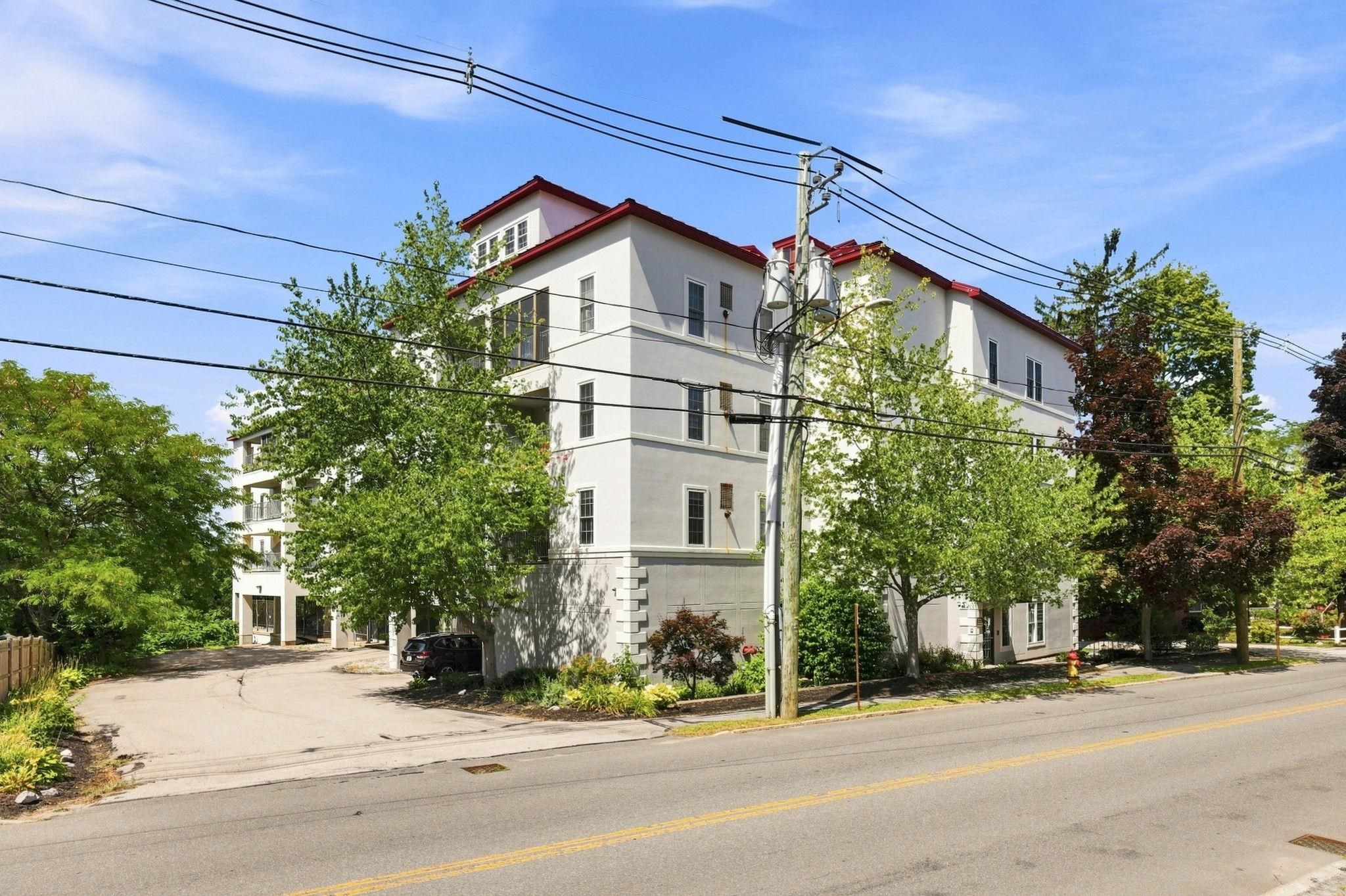
Manchester condominium inventory can include garden-style units, townhouses, detached condominiums, age-restricted communities, and residences in converted historic or industrial buildings. The legal condominium documents—not the exterior appearance—define the ownership and maintenance structure.
A detached condominium may look like a single-family home but still place exterior work, landscaping, roads, utilities, or architectural decisions under association control. A downtown or mill conversion may involve elevators, shared mechanical systems, structured parking, or historic building components.
Do not compare fees without comparing responsibilities. A higher fee may cover more services or capital components; a lower fee may leave more work to the owner or provide less reserve funding. Request a written explanation of what is included.
Read the current budget, recent financial statements, reserve information, meeting minutes, assessment history, delinquency information when available, and details of planned projects. The key issue is whether the association's resources and plans are appropriate for the property it must maintain.
A low fee is not automatically an advantage if major work is deferred or reserves are limited. An assessment is not automatically evidence of poor management if it funds a well-documented necessary project. Review the amount, timing, owner responsibility, and effect on financing.
The association's master policy and the unit owner's policy should be reviewed together. Confirm what the master policy covers, deductibles, exclusions, claim history when available, responsibility after a loss, and the coverage the unit owner must obtain.
Building type, age, roof, electrical and plumbing systems, elevators, rental concentration, claims, and other conditions can affect insurance and financing. Obtain property- and association-specific guidance during due diligence.
Review the declaration, bylaws, rules, amendments, and recorded restrictions. Confirm rental limitations, minimum lease terms, short-term rental rules, pet restrictions, renovation approval, flooring requirements, smoking rules, vehicle rules, and use of common facilities.
Parking should be verified carefully. Determine whether spaces are deeded, assigned, limited common, rented, or first-come. Confirm guest parking, snow emergencies, commercial vehicles, storage, and charging rules rather than relying on how spaces are currently used.
Condominium financing can depend on both the borrower and the project. Lenders may review insurance, owner occupancy, reserves, delinquencies, litigation, commercial space, assessments, and other project characteristics. A buyer who is well qualified may still encounter project-level requirements.
Engage a lender familiar with condominium review and the intended loan program. Start the association-document and insurance review early enough to identify issues before contractual deadlines.
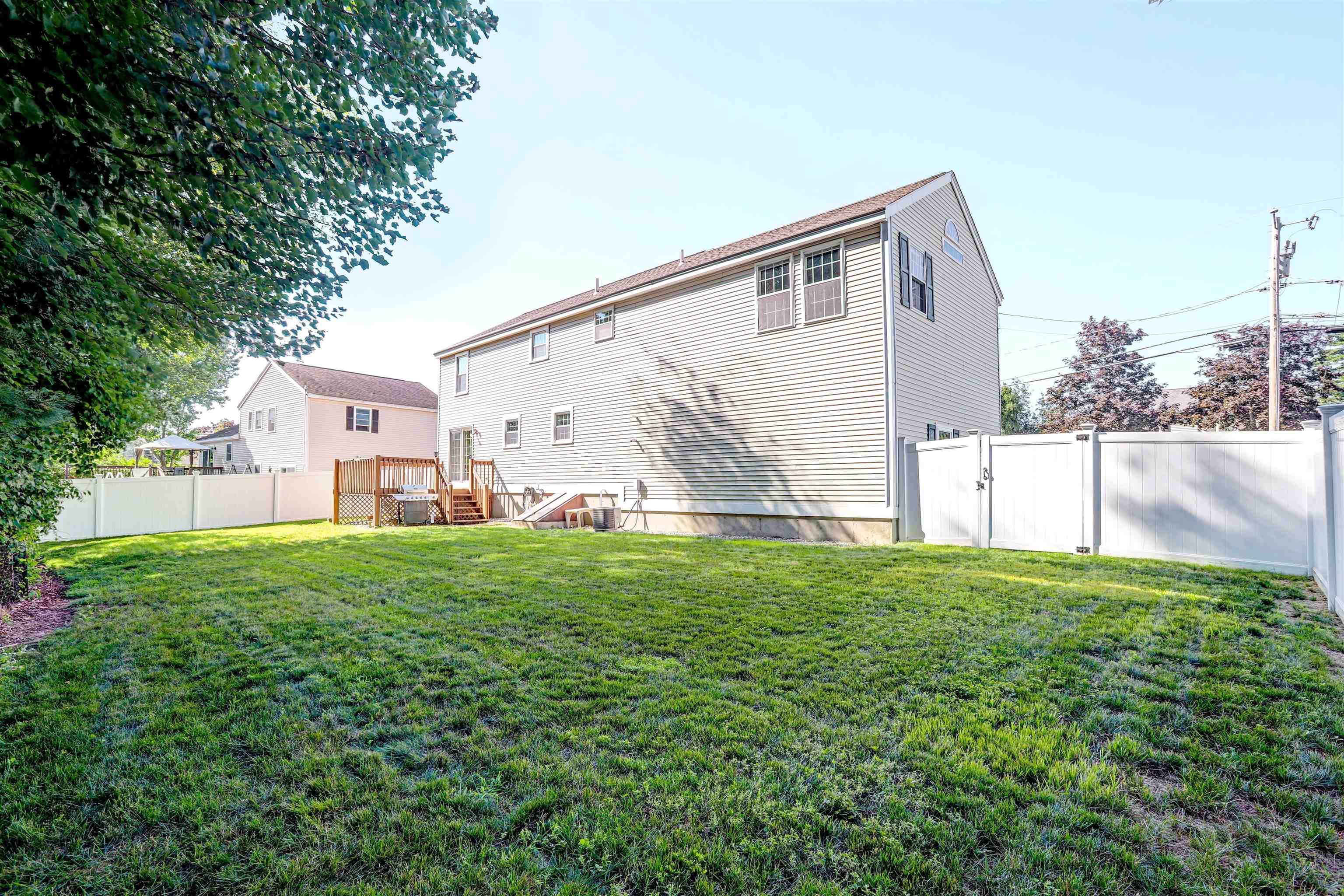
A detached home may fit buyers who prioritize direct control, private exterior space, storage, fewer association restrictions, or future changes subject to zoning and permits. Manchester single-family homes range from compact older houses on city lots to larger homes in lower-density residential areas.
Greater control also brings direct responsibility. Roof, siding, structure, drainage, landscaping, snow removal, utilities, and major systems generally belong to the owner. Buyers should budget for maintenance and capital replacements instead of treating the absence of a condo fee as the absence of those costs.
For a condominium, include the association fee, unit insurance, taxes, utilities, likely assessment exposure, and items the owner must maintain. For a single-family home, include routine upkeep, snow and landscaping, insurance, utilities, and reserves for roof, exterior, driveway, mechanical systems, and other capital work.
Compare similar time horizons. A condominium fee paid monthly and a roof replacement paid periodically are different cash-flow patterns, but both are ownership costs.
Manchester condominiums may provide access to downtown, the Millyard, commercial corridors, or major routes, while detached homes appear throughout the city's varied residential areas. Property type alone does not determine convenience.
Test parking, storage, stairs or elevators, accessibility, outdoor space, noise, commute routes, snow conditions, and proximity to frequent destinations. Visit the address at useful times and evaluate the actual property rather than a generalized neighborhood description.
Manchester has condominium units in and near downtown, including some converted historic buildings. Availability, parking, fees, building systems, and association structures vary.
Not legally. A detached condominium is governed by condominium documents that define the unit, common property, maintenance, insurance, and restrictions even when the structure resembles a detached house.
No. Coverage varies by association. Confirm utilities, exterior components, insurance, roads, snow, landscaping, amenities, and the owner's individual responsibilities.
Associations may approve assessments as permitted by their governing documents and applicable law. Review current assessments, history, minutes, reserves, and planned projects with appropriate professional guidance.
Not necessarily. The lender may review both the borrower and the condominium project. Insurance, reserves, delinquencies, assessments, litigation, rental concentration, and other characteristics can affect eligibility.
Open the Manchester homes search, then filter and compare condominium and single-family listings by total cost and property-specific condition.
Equal Housing Opportunity
New Hampshire Real Estate supports the principles of the Fair Housing Act and Equal Housing Opportunity. This guide provides objective information about ownership structure, property characteristics, and real estate due diligence. Services are provided without discrimination based on any characteristic protected under applicable law.
Information is believed to be accurate but is not guaranteed. Association documents, fees, insurance, financing, rules, property conditions, and municipal information can change. Buyers should independently verify information material to their decisions and obtain appropriate legal, lending, insurance, tax, and inspection guidance.