New - 1 Hour Ago




Manchester offers one of New Hampshire's broadest selections of two-family, three-family, four-family, and larger multifamily property. This guide explains what buyers should verify before relying on unit count, rent, expenses, financing, or future use.
For broader city context, begin with the Manchester real estate guide and the Manchester residential-areas guide.
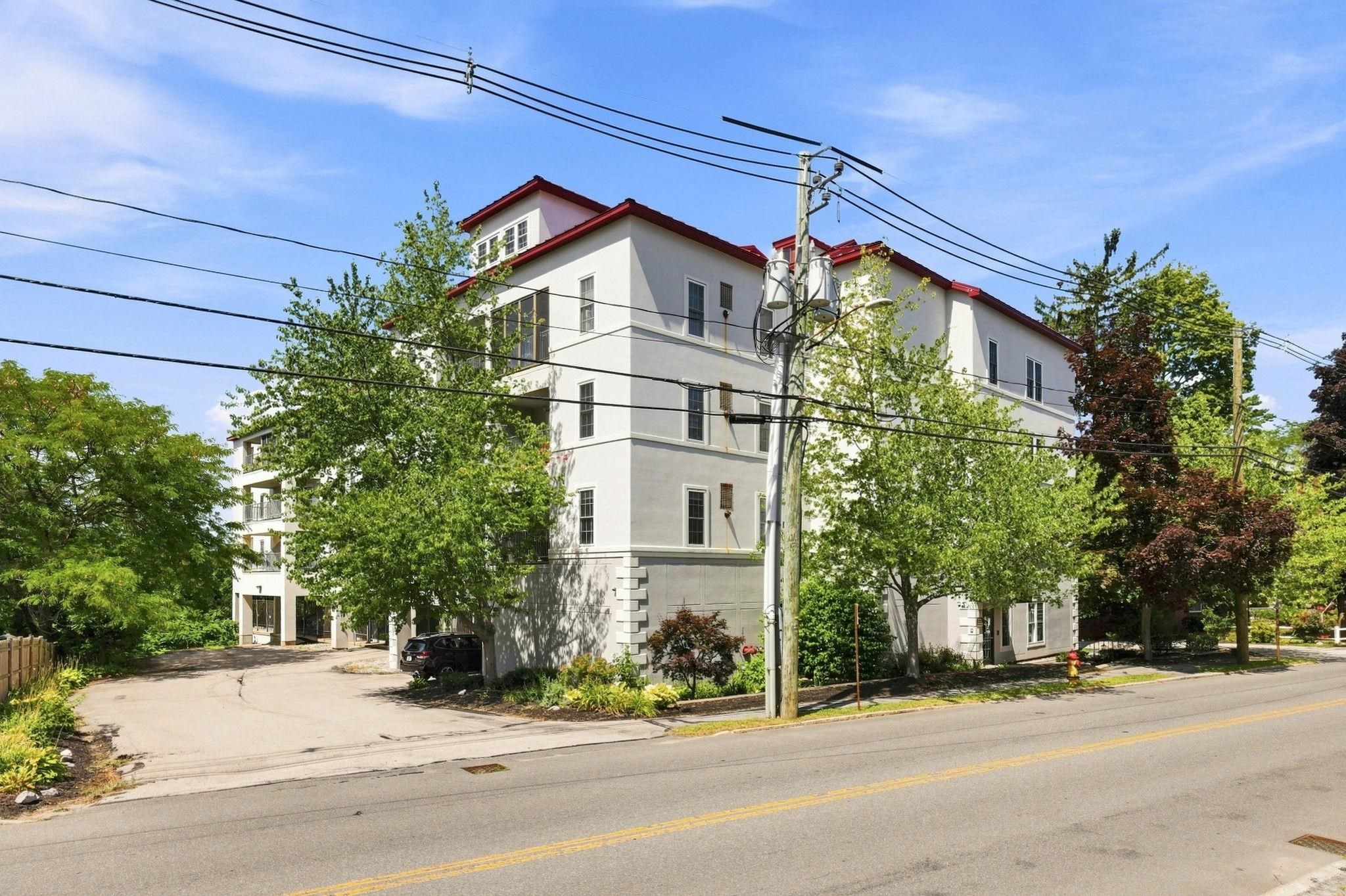
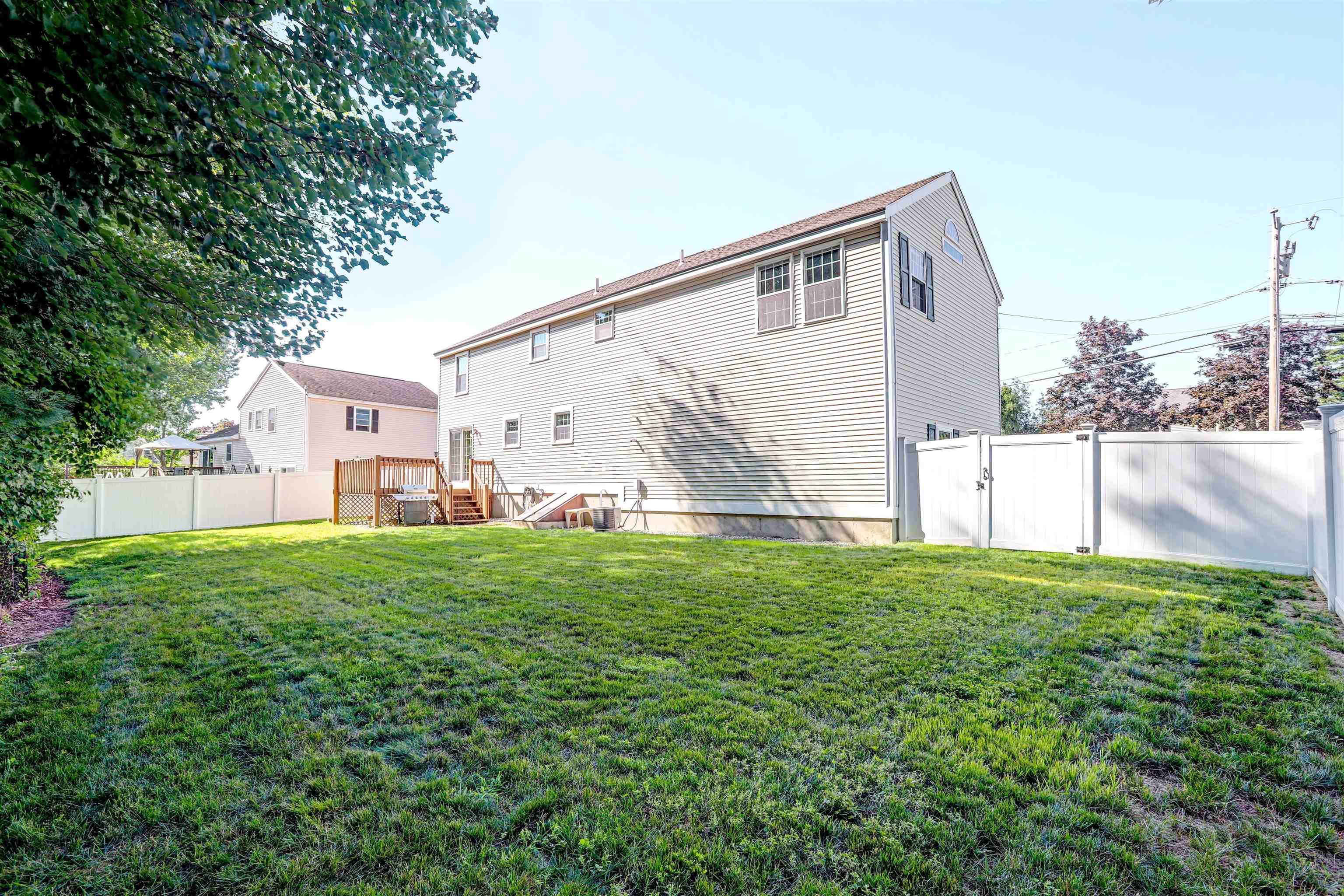
Manchester's housing stock includes owner-occupied two-family homes, traditional duplexes, three-deckers, mixed residential and commercial buildings, converted houses, and larger apartment property. Buyers may be looking for an owner-occupant arrangement, long-term investment, multigenerational use, or a property that provides more than one legal dwelling unit.
The purchase should still be analyzed as a building, a regulated use, and a financial commitment—not simply as a projected rent total. Existing occupancy or multiple kitchens does not prove that every unit is legal.
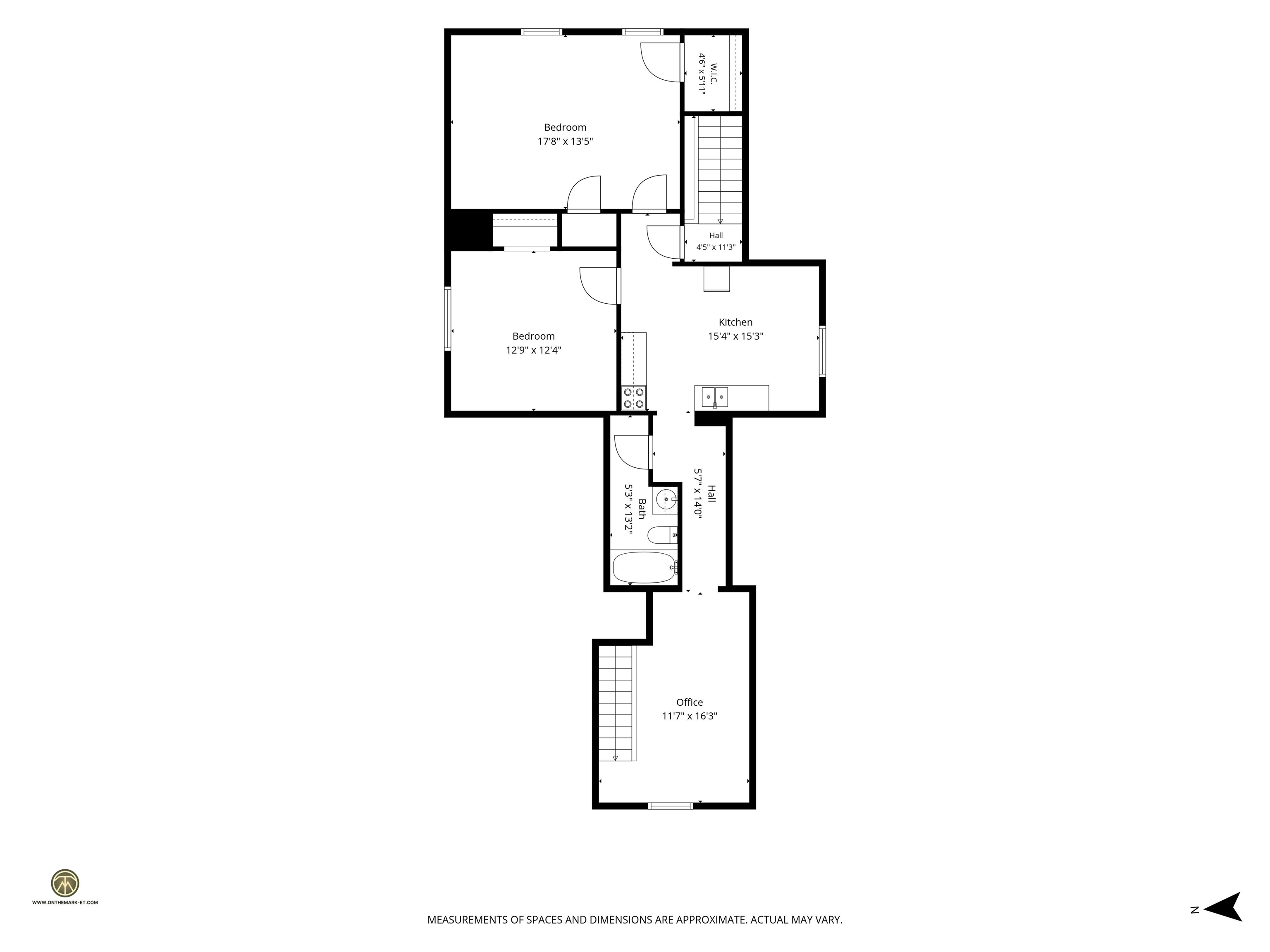
Marketing descriptions, assessor records, utility meters, and present occupancy can provide clues, but none should be treated alone as conclusive proof of legal use. Compare the listing with zoning, permits, certificates or occupancy records when applicable, fire and code records, floor plans, and the physical building.
If the advertised configuration differs from municipal records, obtain professional guidance before relying on the additional unit, bedroom, finished attic, basement apartment, or accessory space. A buyer's financing, insurance, valuation, and projected income can all depend on the verified use.
Manchester adopted a new zoning ordinance effective March 1, 2026. Zoning districts allow different types and intensities of development, but the current district does not by itself establish that every existing use or alteration is lawful.
Review permits for additions, unit conversions, finished areas, electrical, plumbing, heating, structural changes, decks, egress work, and other material improvements. Confirm whether bedrooms and living areas have appropriate access, light, ventilation, emergency escape, and any required approvals.
Official starting points: the City's Land Use Code, maps and GIS resources, and Assessors Department.
Request all leases, amendments, rent records, deposit information, notices, tenant correspondence relevant to the sale, and a clear occupancy schedule. Determine which agreements continue after closing and which representations require independent verification.
Buyers should consult qualified legal counsel about leases, deposits, notices, occupancy changes, fair-housing obligations, and New Hampshire landlord-tenant requirements. A purchase contract should not assume that a unit can be made vacant or that rents can immediately be changed.
Current rent is one input, not the complete income analysis. Review payment history, lease terms, included utilities, concessions, vacancy, collection loss, and the condition of each unit. Compare existing rents with well-supported market evidence without assuming that advertised rents will be achieved.
Build a conservative operating projection that includes vacancy, repairs, maintenance, management, utilities paid by the owner, insurance, taxes, snow removal, landscaping, pest control, licensing or inspection expenses when applicable, reserves, and capital replacements.
Confirm how heat, hot water, electricity, water, sewer, and other services are supplied and metered. Separate meters do not necessarily mean that every system or charge is independent. Shared heating, domestic hot water, common-area electric, or owner-paid services can materially affect expenses.
Inspect boilers, furnaces, water heaters, oil tanks, gas service, electrical panels, plumbing, distribution systems, and shutoffs. Understand which equipment serves which unit and whether access for maintenance is practical.
Off-street parking can be an important part of a Manchester multifamily purchase. Verify the number and location of spaces, driveway rights, shared access, snow storage, garage use, and any recorded easements. Do not rely on informal arrangements across parcel lines.
Also investigate porches, exterior stairs, decks, retaining walls, fences, sheds, and trash storage. Exterior components serving multiple occupants may require more frequent maintenance and clear responsibility.
Use appropriately qualified inspectors and specialists. A general inspection may identify concerns that require structural, electrical, plumbing, heating, environmental, roofing, masonry, or code expertise.
Financing can depend on verified unit count, occupancy, property condition, borrower use, loan program, rents, appraisal, and required reserves. Speak with a lender experienced in the property type before making assumptions about down payment or qualifying income.
The appraisal may analyze both physical comparables and income. Unpermitted units, deferred maintenance, safety concerns, or a building configuration inconsistent with records can affect underwriting. Confirm requirements early enough to structure realistic contract terms.
Obtain property-specific insurance guidance before the contingency deadlines. Building age, roof, electrical systems, heating fuel, loss history, occupancy, unit count, vacancies, prior claims, and commercial components can affect availability and cost.
Review flood information and drainage conditions, but remember that a map designation is not a complete assessment of water risk. Ask an insurance professional what coverage, deductibles, exclusions, and loss-prevention work apply to the property.
An owner-occupant may value proximity to the building and potential rental income, but should also consider privacy, shared spaces, tenant communication, emergency calls, maintenance, snow removal, recordkeeping, and the practical separation of personal and rental expenses.
Evaluate whether the owner's unit, parking, storage, outdoor space, sound separation, and building layout fit the intended living arrangement. The financial analysis should still allow for vacancies and repairs rather than assuming uninterrupted rent.
Yes. Manchester has a substantial range of small and larger multifamily property. Availability changes, and the legal configuration should be verified for every building.
No. Existing occupancy, a separate entrance, utility meter, kitchen, or assessor description should not be relied upon alone. Review zoning, permits, code records, and other applicable municipal documentation.
Some loan programs may consider rental income, but rules vary by property, occupancy, lease status, appraisal, borrower, and lender. Obtain program-specific guidance before relying on it.
Include realistic vacancy, repairs, management, owner-paid utilities, insurance, taxes, maintenance, snow and landscaping, pest control, reserves, and anticipated capital replacements.
Buyers should seek appropriate access and professional evaluation of the entire property, including units, common areas, exterior components, and building systems, subject to lawful occupancy and contract terms.
Use the Manchester property search and ask Bean Group to help identify the appropriate property type and listing criteria.
Equal Housing Opportunity
New Hampshire Real Estate supports the principles of the Fair Housing Act and Equal Housing Opportunity. This guide provides objective real estate and property-research information. Services are provided without discrimination based on any characteristic protected under applicable law.
Information is believed to be accurate but is not guaranteed. Laws, regulations, zoning, permits, financing, insurance, property conditions, leases, and municipal records can change. Obtain professional legal, tax, lending, insurance, inspection, environmental, and investment guidance appropriate to the transaction.