New - 1 Hour Ago
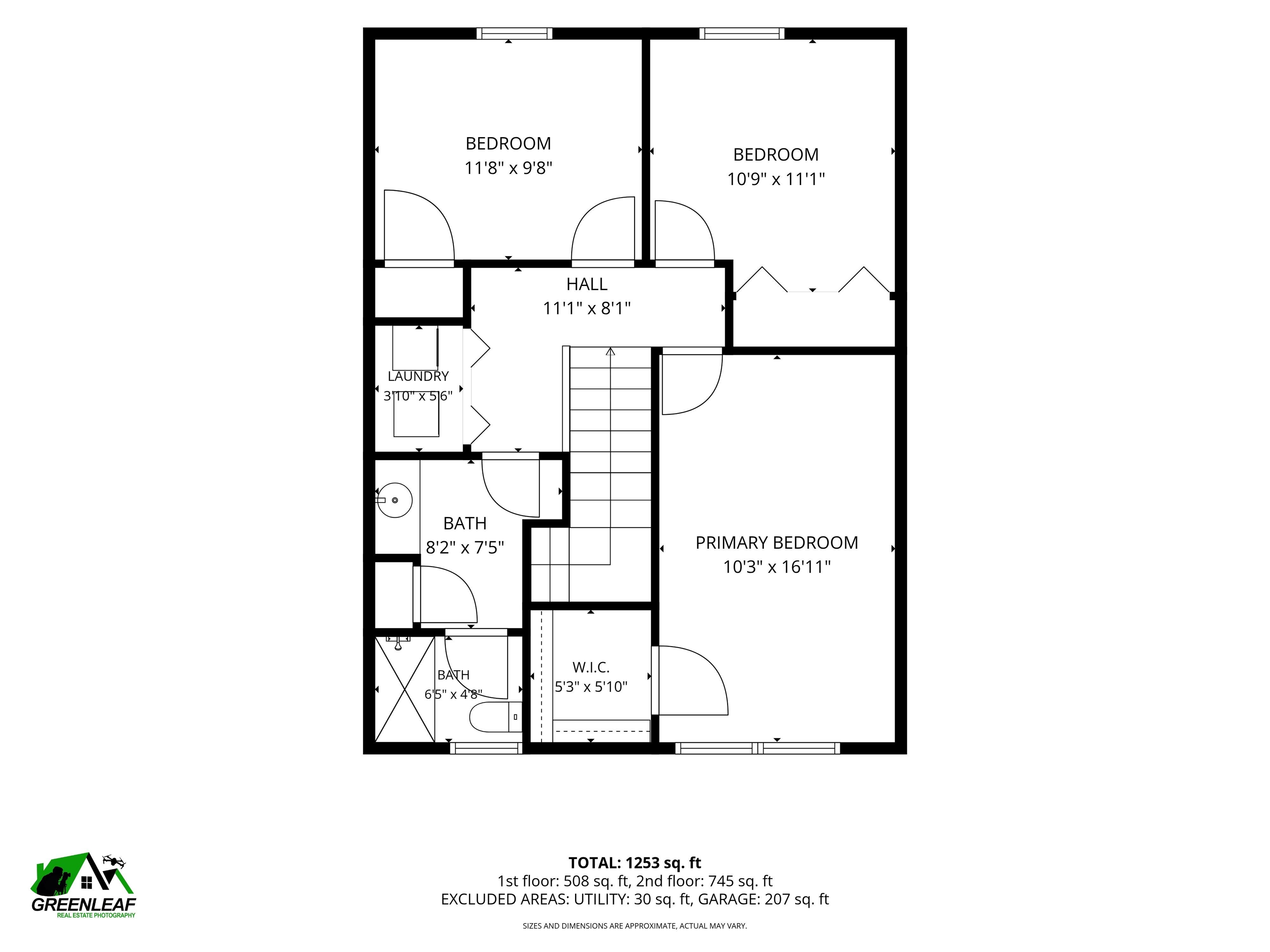
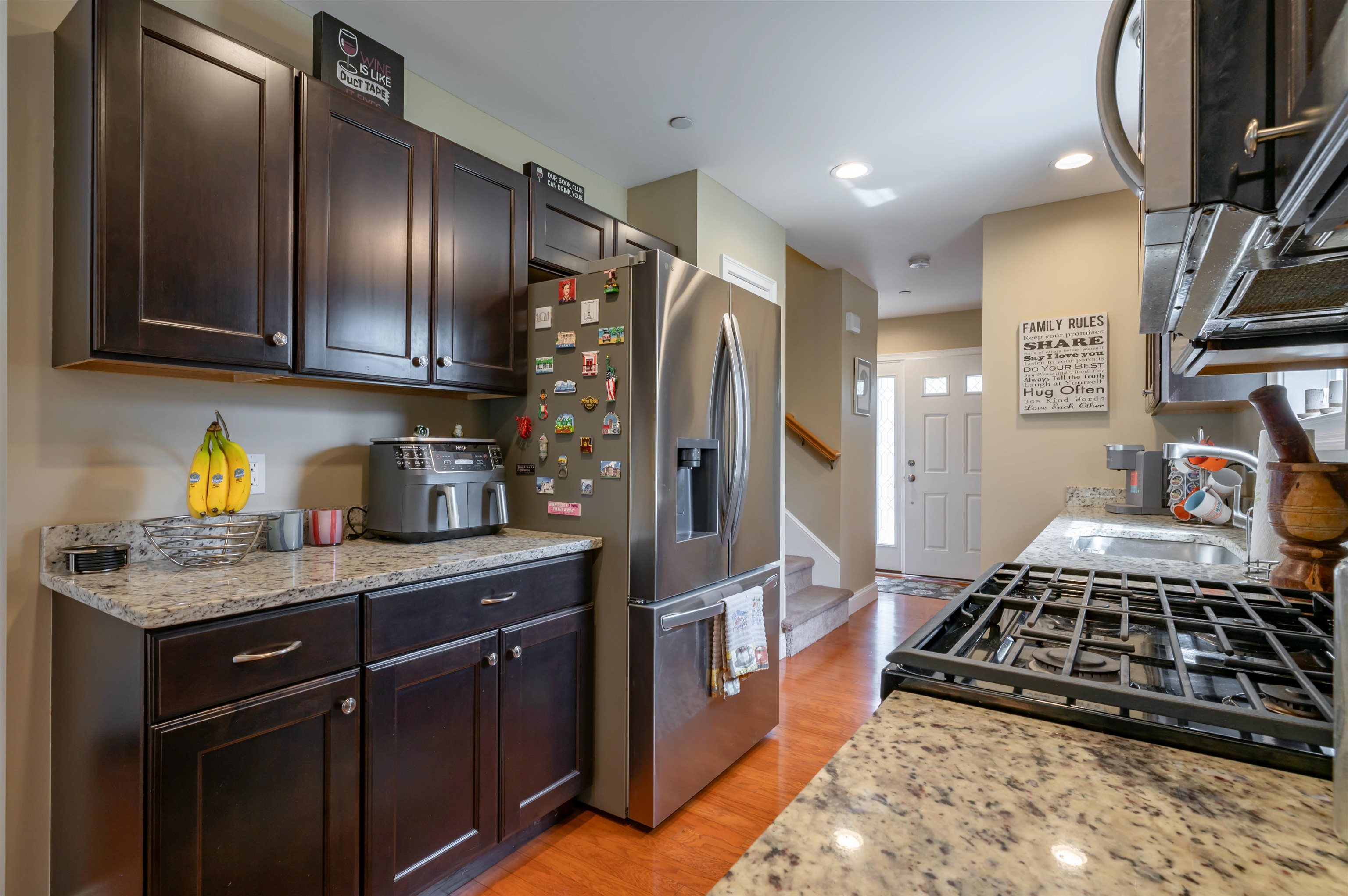
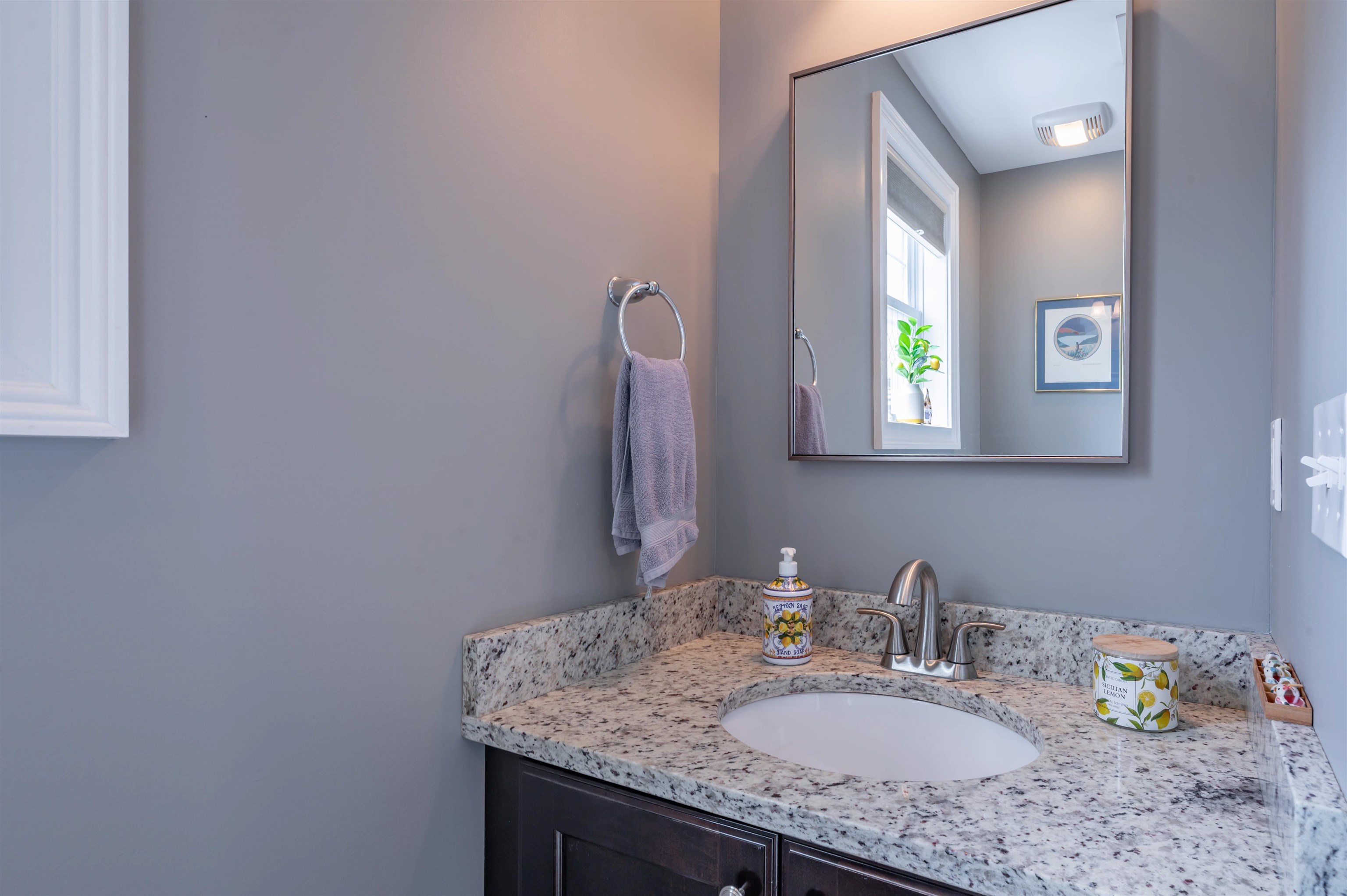




Nashua combines established residential neighborhoods, a walkable downtown core, historic mill architecture, condominium and multifamily options, and direct regional access near the Massachusetts border. This guide explains Nashua housing patterns, July 2026 single-family market conditions, locally recognized areas, municipal research tools, and property-level due diligence.
Nashua is located along the Massachusetts border in southern Hillsborough County. The Everett Turnpike, Route 3, and regional roads connect the city with Merrimack, Hudson, Hollis, Amherst, Manchester, and northern Massachusetts. Downtown, major retail corridors, hospitals, schools, employers, and the Nashua River create different travel patterns within the city itself.
Evaluate an address by more than mileage. Test the actual route to work, school, healthcare, shopping, or other frequent destinations at relevant hours. Traffic, toll-road access, river crossings, construction, winter conditions, parking, and driveway configuration can affect daily use.
Regional context: Compare the city with surrounding communities through the Greater Nashua market guide.
Nashua does not have one uniform housing market. Buyers may find antique and early-20th-century houses, compact city lots, established suburban streets, mid-century homes, newer construction, condominiums, townhouses, duplexes, three-family buildings, apartments, and residences in converted mill or commercial property.
Building age, density, lot size, parking, traffic exposure, utilities, association structure, and proximity to major roads can change over short distances. Compare the exact property and street instead of relying only on a ZIP code or neighborhood label.
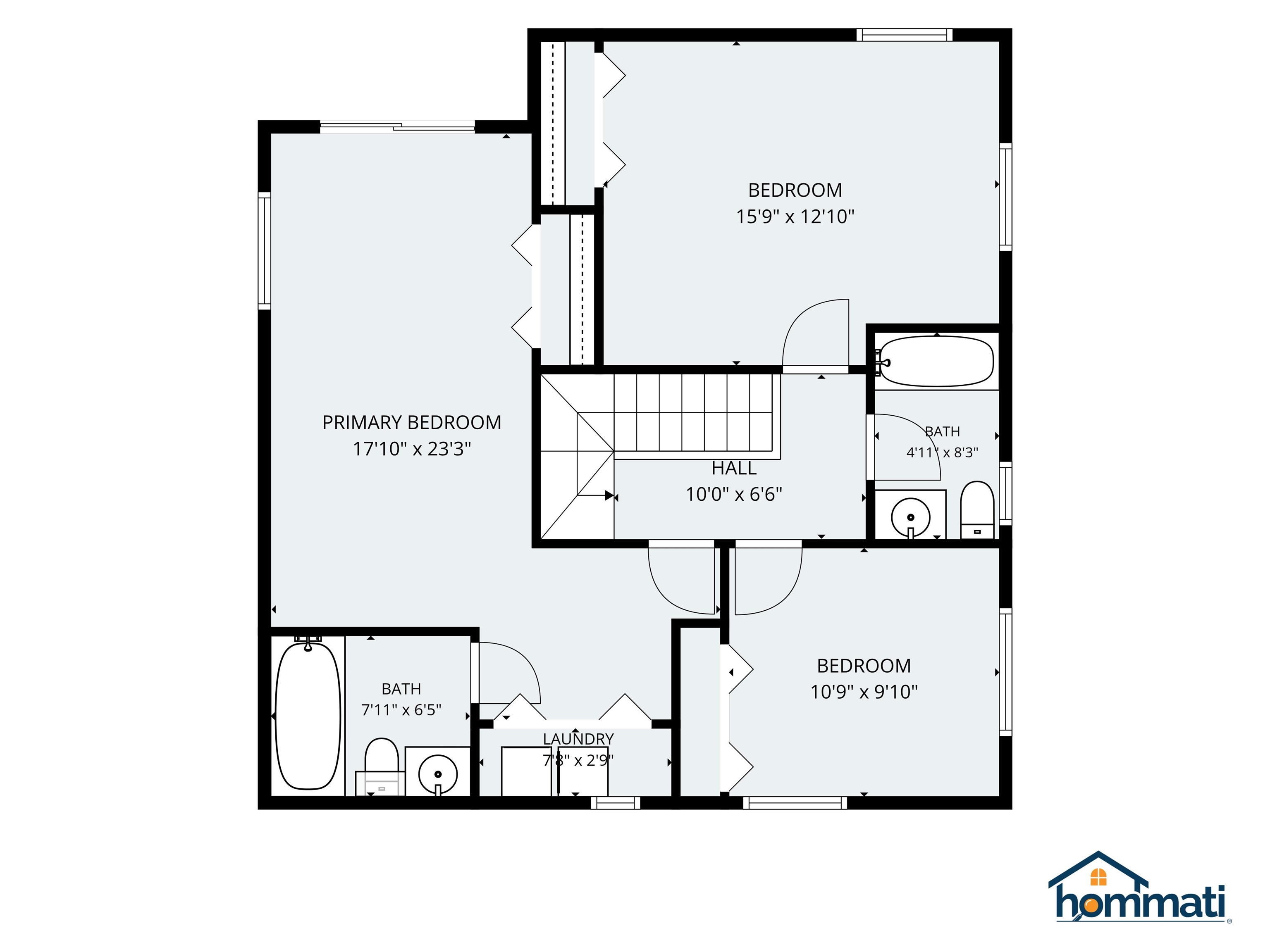
Before relying on an advertised use or layout, review the zoning district, assessor record, permits, occupancy information when applicable, and available plans. Finished attics, lower levels, additional bedrooms, accessory spaces, multifamily configurations, and parking arrangements should be verified rather than assumed.
Official resources: Nashua Land Use Code, City GIS, and the Imagine Nashua Master Plan.
Nashua contains official wards and zoning districts, recorded subdivisions, historic resources, and locally used area names. Those systems do not always share the same boundaries. The descriptions below provide orientation, not official neighborhood borders or guarantees about a property.
Downtown includes civic buildings, shops, restaurants, offices, apartments, condominiums, historic commercial buildings, and nearby residential streets. Buyers should investigate parking rights, building access, noise, association or shared-building responsibilities, insurance, and planned municipal or private projects.
North Nashua contains established residential streets, condominiums, commercial services, and access toward Merrimack and the Everett Turnpike. Housing type, lot size, road exposure, and development period vary. Test the specific route and investigate planned work or adjacent land uses rather than generalizing from the area name.
South Nashua includes residential areas and major commercial corridors near the Massachusetts line. Convenience to Route 3 and retail can differ considerably by address. Evaluate traffic, access, parking, noise, drainage, and the relationship between the property and nearby commercial or transportation uses.
Western portions of the city include established subdivisions, detached homes, condominiums, and lower-density settings in some areas. Topography, wetlands, lot utility, roadway design, and access toward Hollis or Amherst can affect individual properties.
Eastern areas include detached homes, multifamily property, condominiums, neighborhood streets, and access toward Hudson. Compare river crossings, traffic patterns, property age, parking, lot conditions, and permitted use at the exact address.
The New Hampshire REALTORS July 2026 local market update reported:
Year to date through July, Nashua recorded 272 closed single-family sales, up 7.1%, with a $586,250 median sale price, up 6.6%. Median days on market were 14, down from 17, and pending sales were up 7.7%.
The combination of 1.1 months of supply, 10 median days on market, and a median original-list-price ratio above 100% indicates continued competition at the citywide level. Yet the slight year-over-year decline in July's monthly median demonstrates why one month and one median should not be treated as the value of a particular home. Price range, location, condition, property type, and financing can produce different outcomes.
Source: New Hampshire REALTORS Nashua Local Market Update, July 2026. Data current August 5, 2026; single-family residences only.
New inventory and closed sales increased, but supply remained limited. Buyers should prepare financing and property priorities before touring, evaluate recent relevant sales, and avoid assuming that every listing will follow the citywide median. Homes needing work, unusual property types, condominiums, and multifamily buildings may behave differently.
Terms beyond price can matter, but due diligence should remain property-specific. Preserve appropriate inspection, title, insurance, financing, association, and municipal-record review based on the building and transaction.
Low supply and strong list-price performance support sellers, but they do not eliminate price sensitivity. Preparation, repair decisions, photography, disclosure, launch timing, and an accurate comparison set still influence results. The citywide median is not a recommended list price.
Nashua values can differ with street setting, lot utility, building age, renovations, parking, property type, association structure, and proximity to major roads or commercial uses. Use recent relevant sales and current competition.
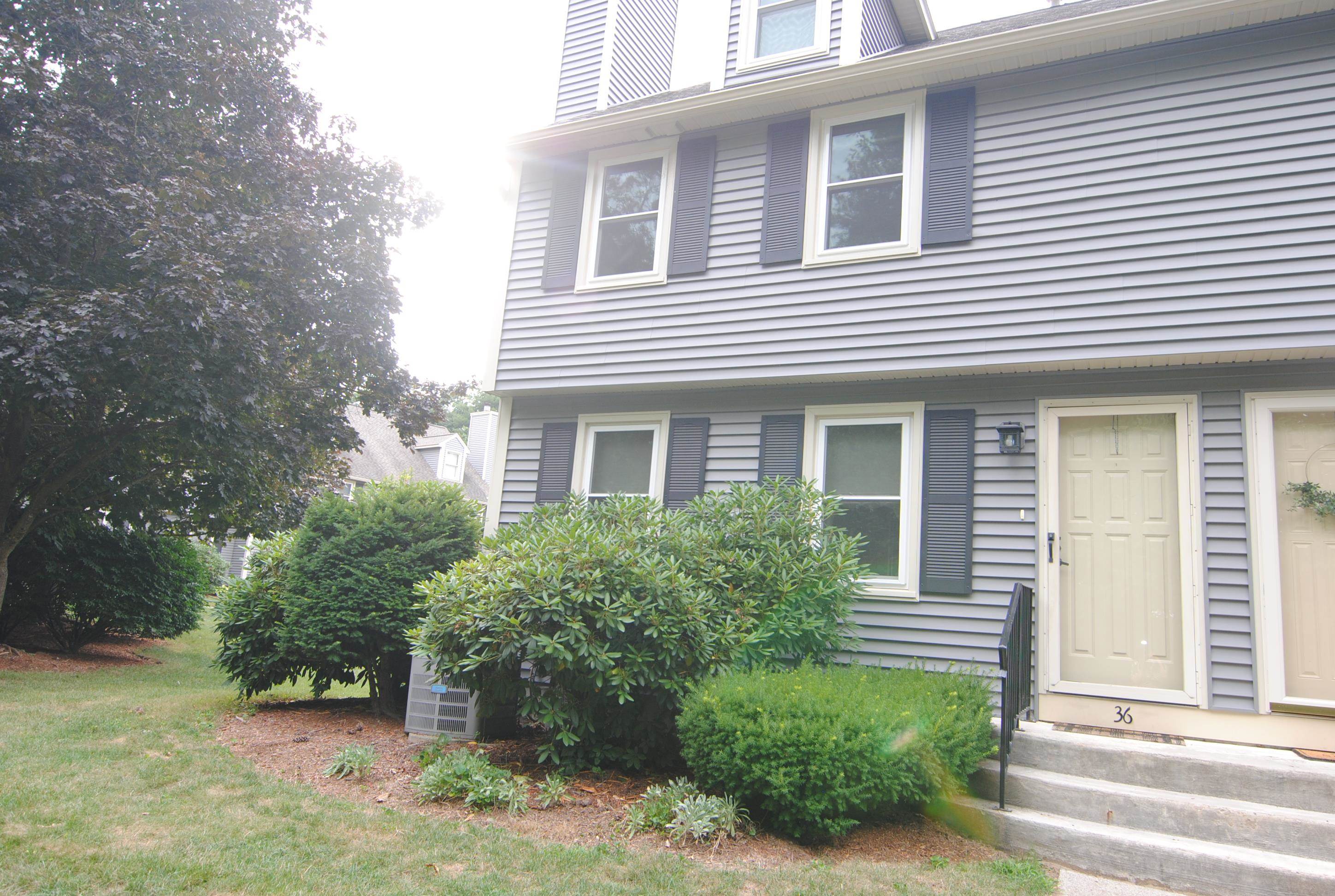
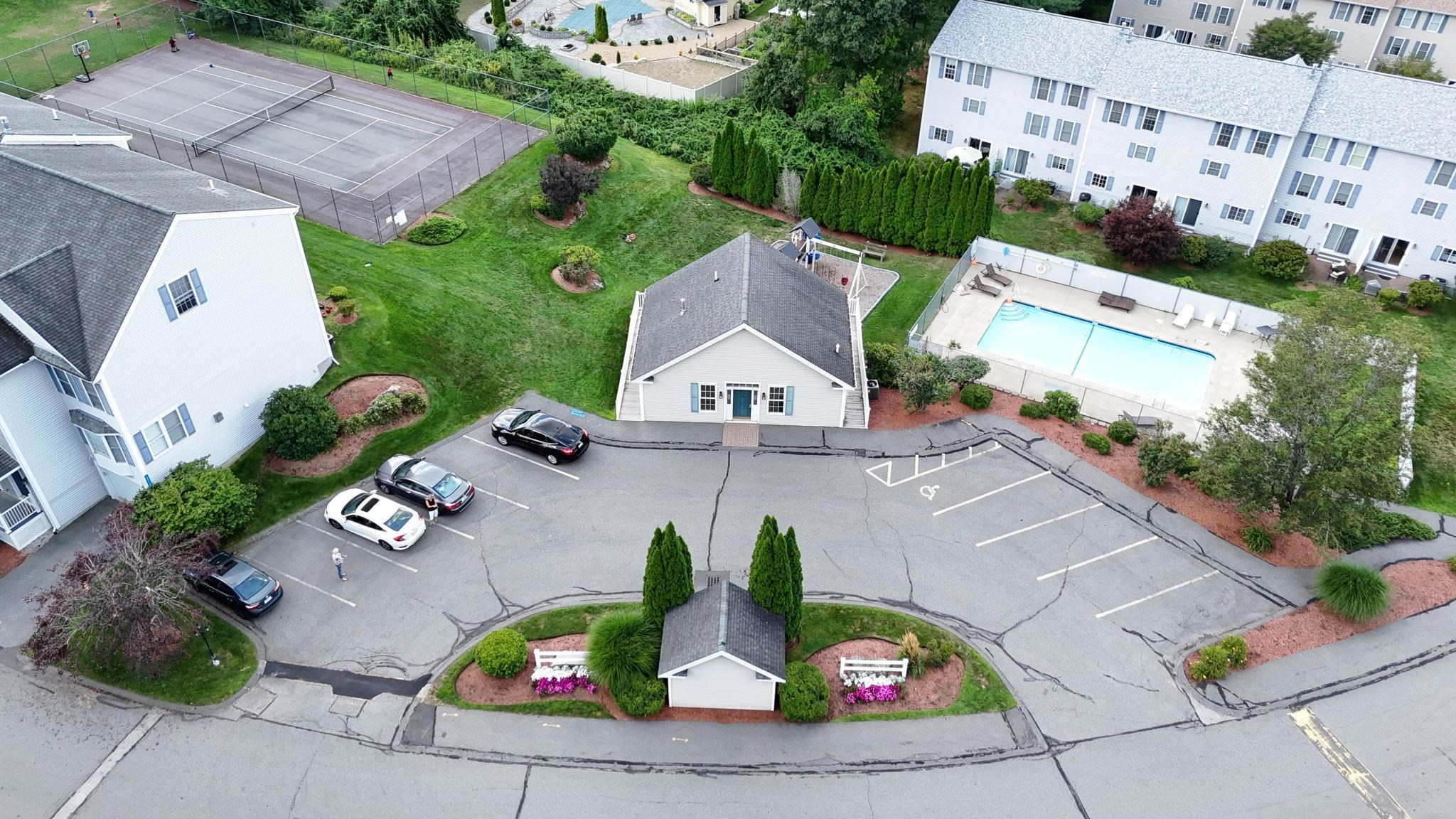
Nashua condominiums can include garden-style units, townhouses, detached condominiums, and residences in converted buildings. Review the declaration, bylaws, rules, budget, reserves, meeting minutes, insurance, deductibles, current or proposed assessments, owner-occupancy requirements, rental restrictions, pet rules, parking, storage, and planned projects.
Compare fees with responsibilities. A lower fee is not necessarily less expensive if reserves are limited or owners maintain more components. Engage a lender familiar with condominium project review.
Nashua contains two- to four-unit buildings and larger multifamily property. Verify legal unit count, permitted bedrooms, leases, deposits, rent history, utilities, parking, code records, fire and life-safety systems, and deferred maintenance. Existing occupancy does not by itself prove legal use.
Analyze realistic vacancy, expenses, repairs, management, insurance, taxes, owner-paid utilities, and capital reserves. Legal, tax, inspection, environmental, lending, and insurance guidance may be appropriate.
Official research: Use Nashua GIS, the Land Use Code, assessing records, and the Wastewater Department.
The July median was $576,500. The year-to-date median through July was $586,250. These figures cover single-family residences and should not be applied directly to condominiums or multifamily property.
NHAR reported 49 homes for sale and 1.1 months of supply in July 2026.
Yes, but locally used area names, official wards, zoning districts, and subdivisions may have different boundaries. Verify the exact address and property records.
Yes. Nashua includes multiple condominium formats and a range of small and larger multifamily property. Association structure and legal unit count should be verified.
Use the Nashua real estate search for current MLS listings.
Read the Nashua versus Merrimack comparison for housing, location, utilities, and due-diligence differences.
Equal Housing Opportunity
New Hampshire Real Estate supports the principles of the Fair Housing Act and Equal Housing Opportunity. This guide provides objective information about property characteristics, market conditions, municipal resources, and due diligence. Services are provided without discrimination based on any characteristic protected under applicable law.
Information is believed accurate but is not guaranteed. Market data, property conditions, zoning, permits, utilities, association rules, school assignments, and municipal information can change. Verify information material to a real estate decision and obtain appropriate professional guidance.