New - 1 Hour Ago
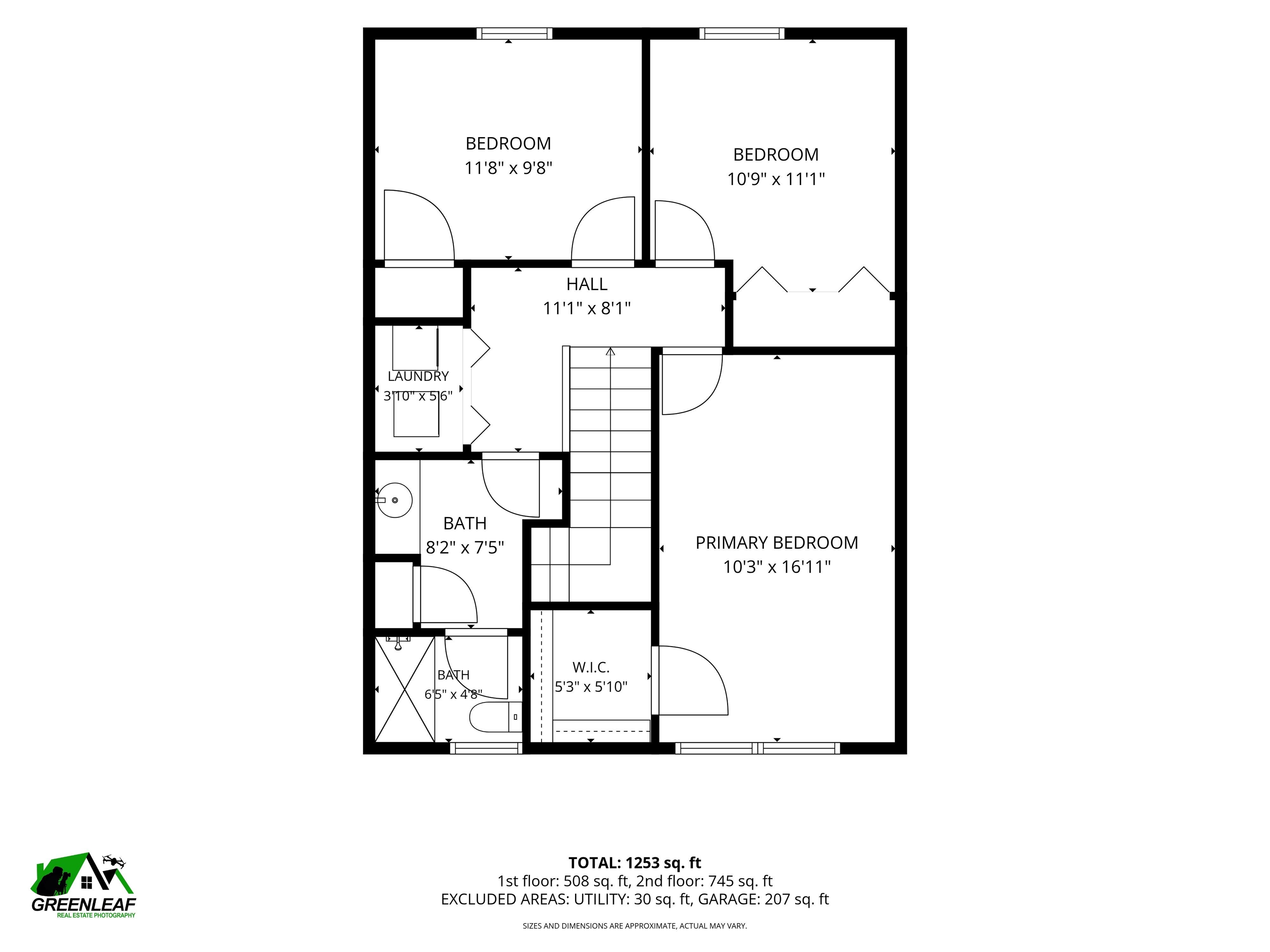
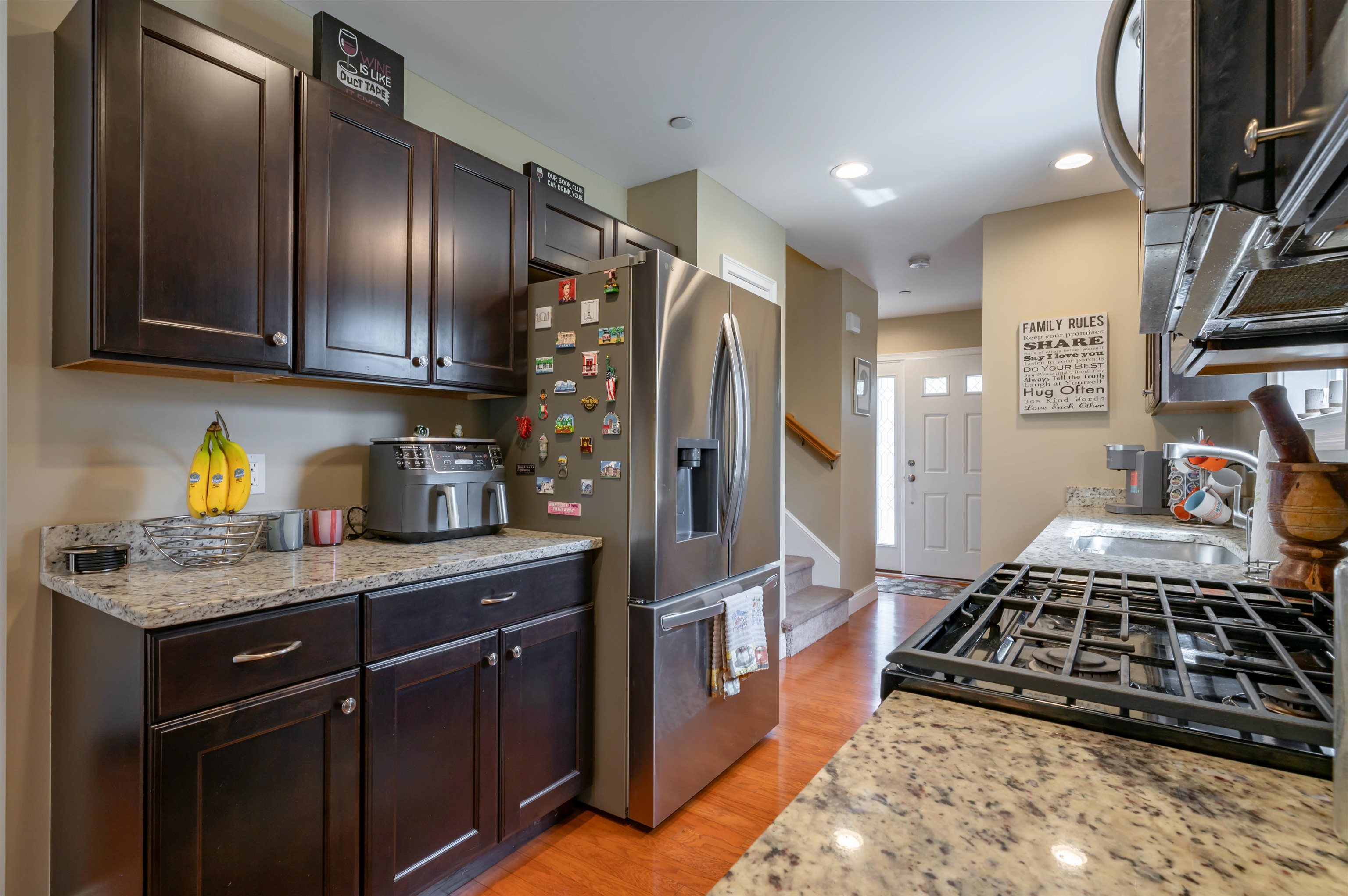



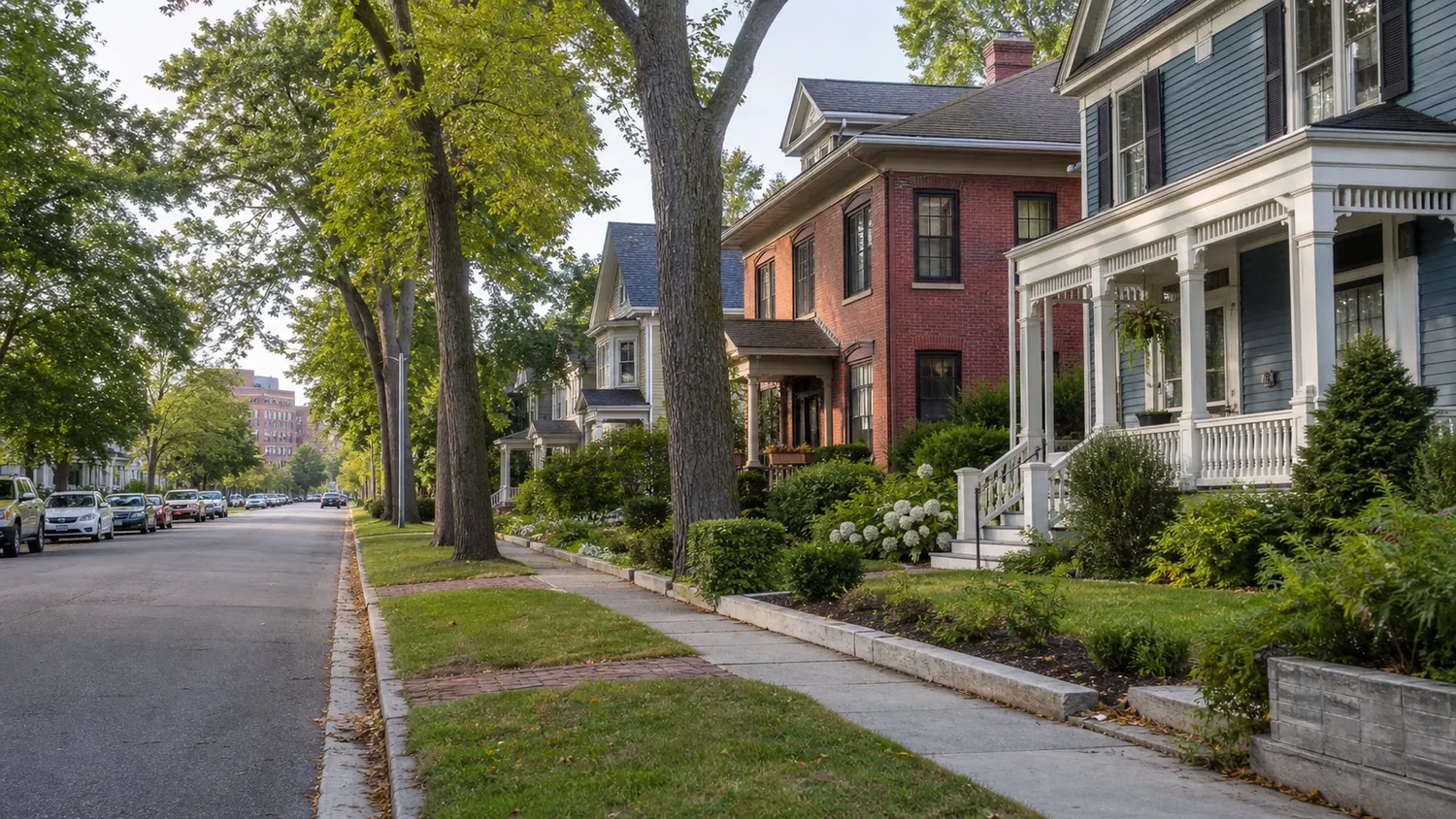
Nashua is better understood as a collection of residential settings than as a city of neatly bounded neighborhoods. This guide compares downtown, north, south, east, west, and southwest Nashua while keeping the focus on exact property characteristics and official records.
Begin with the Nashua real estate and market guide, then use this article to organize the street-level questions that matter to your search.
Nashua has official wards, zoning districts, recorded subdivisions, historic resources, tax parcels, and locally used area names. Those systems do not always share boundaries. Use a neighborhood name for orientation, then verify the ward, zoning, parcel, school assignment, utilities, parking, permits, and restrictions at the exact address.
Downtown combines civic uses, stores, restaurants, offices, historic commercial buildings, apartments, condominiums, and nearby older residential streets. Buyers should compare parking rights, noise, building access, association or shared-building responsibilities, insurance, mechanical systems, and planned work.
Converted or mixed-use buildings can require specialized financing, insurance, and maintenance review. Confirm which components belong to the unit or owner and which are shared.
North Nashua includes established residential streets, subdivisions, condominiums, commercial services, and access toward Merrimack. Housing age, density, lot size, traffic exposure, and route access vary. Evaluate the exact street and test regular travel at useful hours.
South Nashua includes residential settings and major commercial and transportation corridors near Massachusetts. Proximity to Route 3 and retail may be useful, but traffic, driveway access, noise, parking, and nearby uses should be evaluated at the property rather than assumed from the area name.
Western areas include established subdivisions, detached homes, condominiums, and lower-density settings in portions of the city. Lot shape, wetlands, topography, drainage, roadway design, and access toward Hollis or Amherst can affect a property.
Eastern Nashua contains detached homes, condominiums, multifamily buildings, neighborhood streets, and routes toward Hudson. Compare river crossings, road patterns, parking, building age, density, and legal use by address.
Nashua's residential and industrial history contributes to a wide range of older buildings. Visible renovation does not prove that concealed systems were updated. Review permits and use qualified professionals to evaluate foundation, moisture, roofing, masonry, wiring, plumbing, heating, insulation, windows, chimneys, and age-related materials.
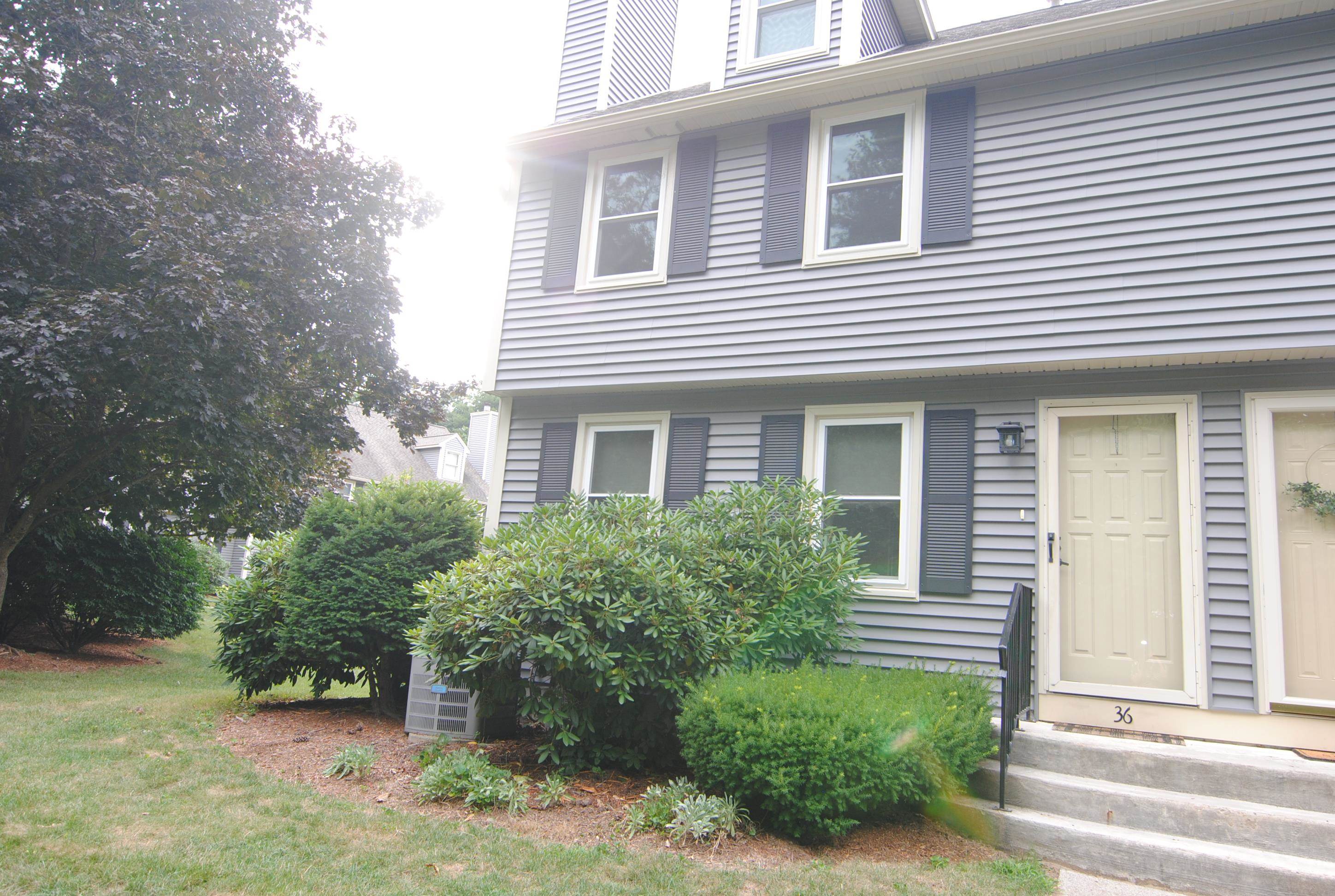
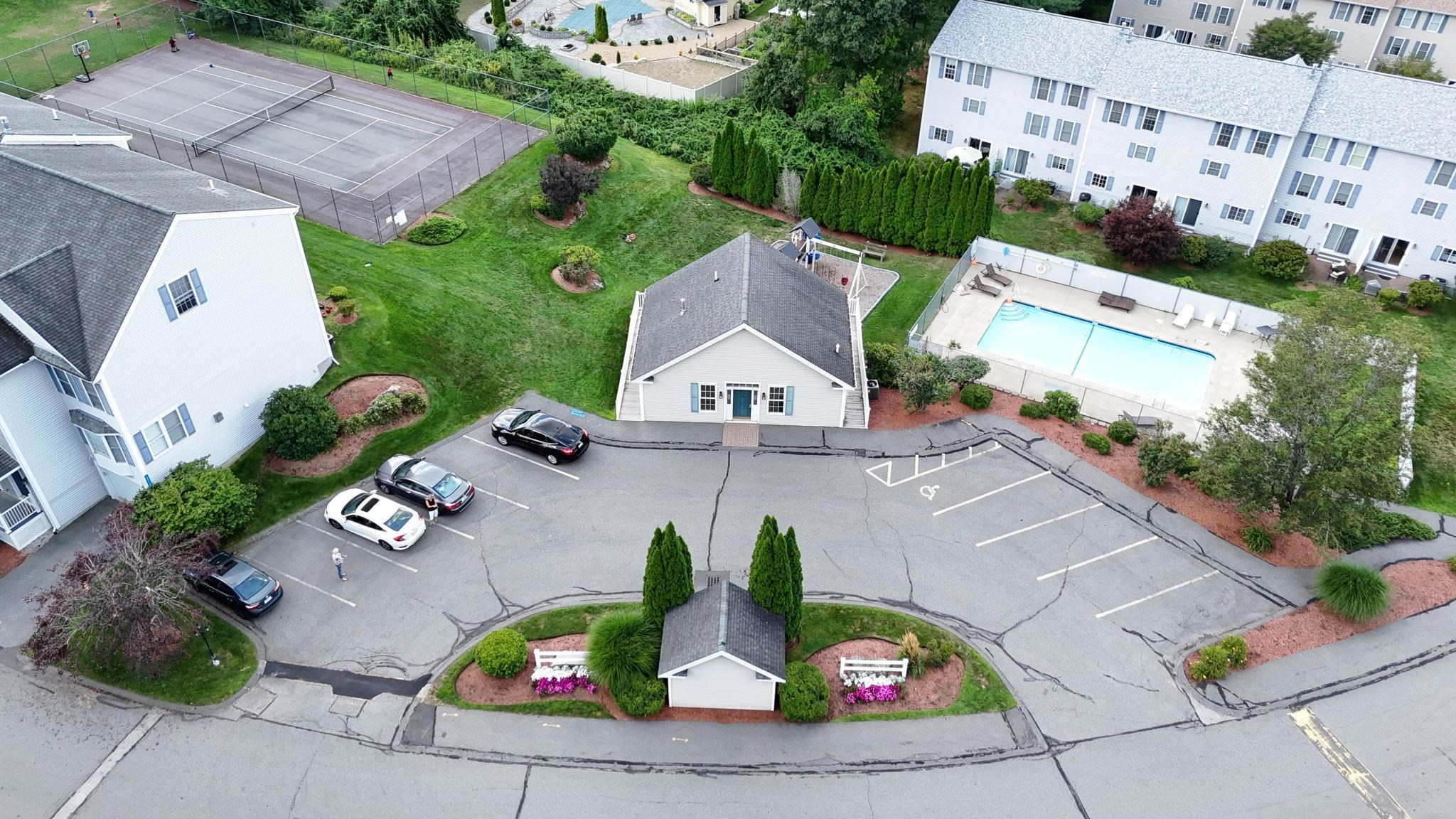
Condominiums may be found in conventional communities, townhouses, detached structures, or converted buildings. Review finances, insurance, reserves, assessments, parking, restrictions, and maintenance boundaries.
For multifamily property, verify legal unit count, zoning, leases, utilities, parking, fire and life-safety systems, and code records. Existing occupancy is not proof that every unit or bedroom is legal.
Official resources: City GIS, Land Use Code, and assessing records.
Common orientation terms include downtown, north, south, east, west, and southwest Nashua. These are broad descriptions and may not have one official boundary.
There is no objective best neighborhood. Compare whether the specific property fits the buyer's budget, housing type, travel, parking, condition, and due-diligence requirements.
Older homes appear in several parts of Nashua, particularly around established city streets. Verify age, permitted work, historic status when relevant, and condition for the individual building.
Yes. Nashua offers multiple condominium formats. Availability, fees, insurance, financing, and maintenance responsibilities vary.
Open the Nashua property search for current homes.
Equal Housing Opportunity
New Hampshire Real Estate supports the Fair Housing Act and Equal Housing Opportunity. This guide provides objective property and location information without discrimination based on any protected characteristic.
Neighborhood terminology, zoning, permits, utilities, property conditions, and municipal records can change. Verify information material to a decision.