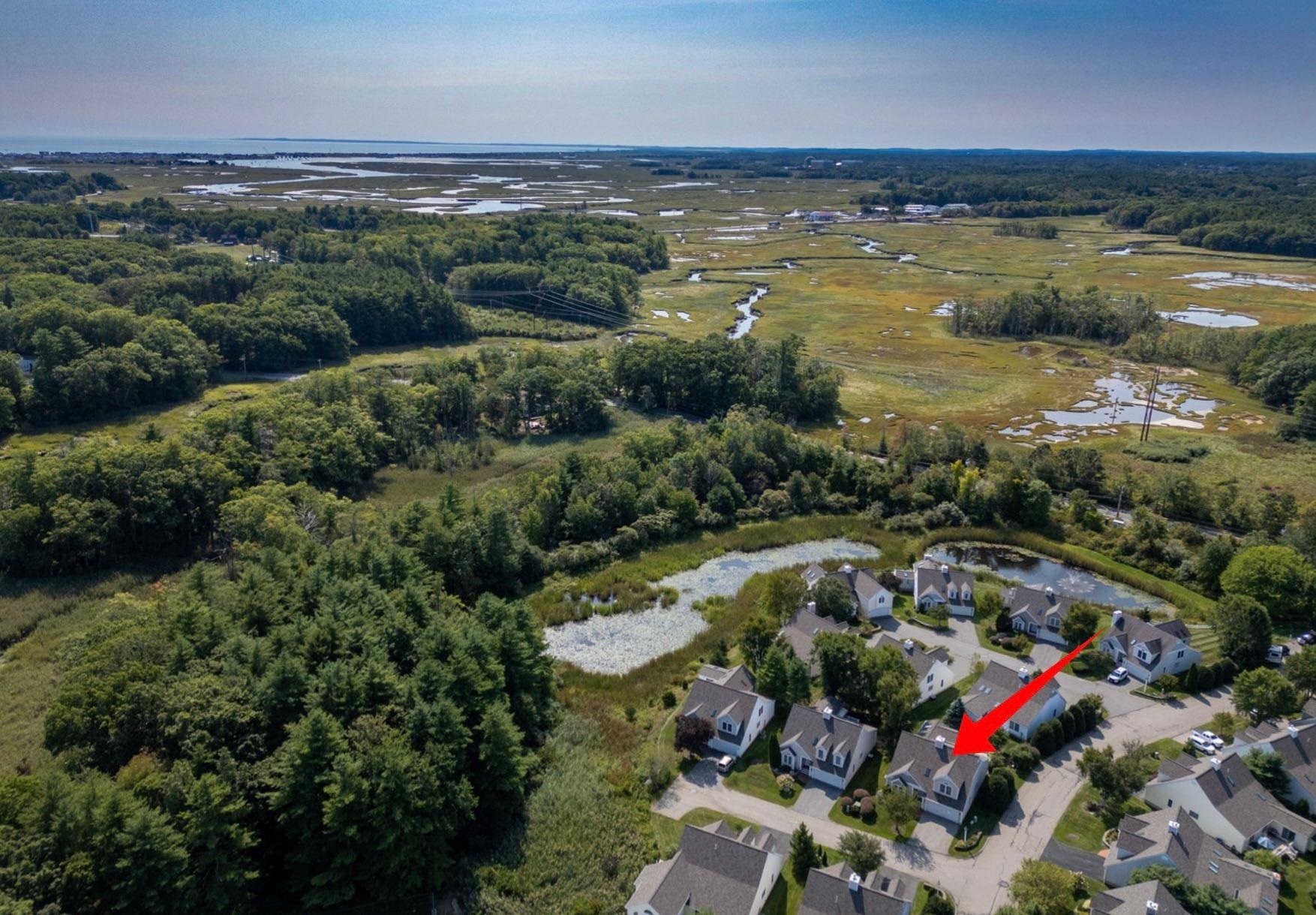
Open: Wed 4:30 PM - 6:00 PM
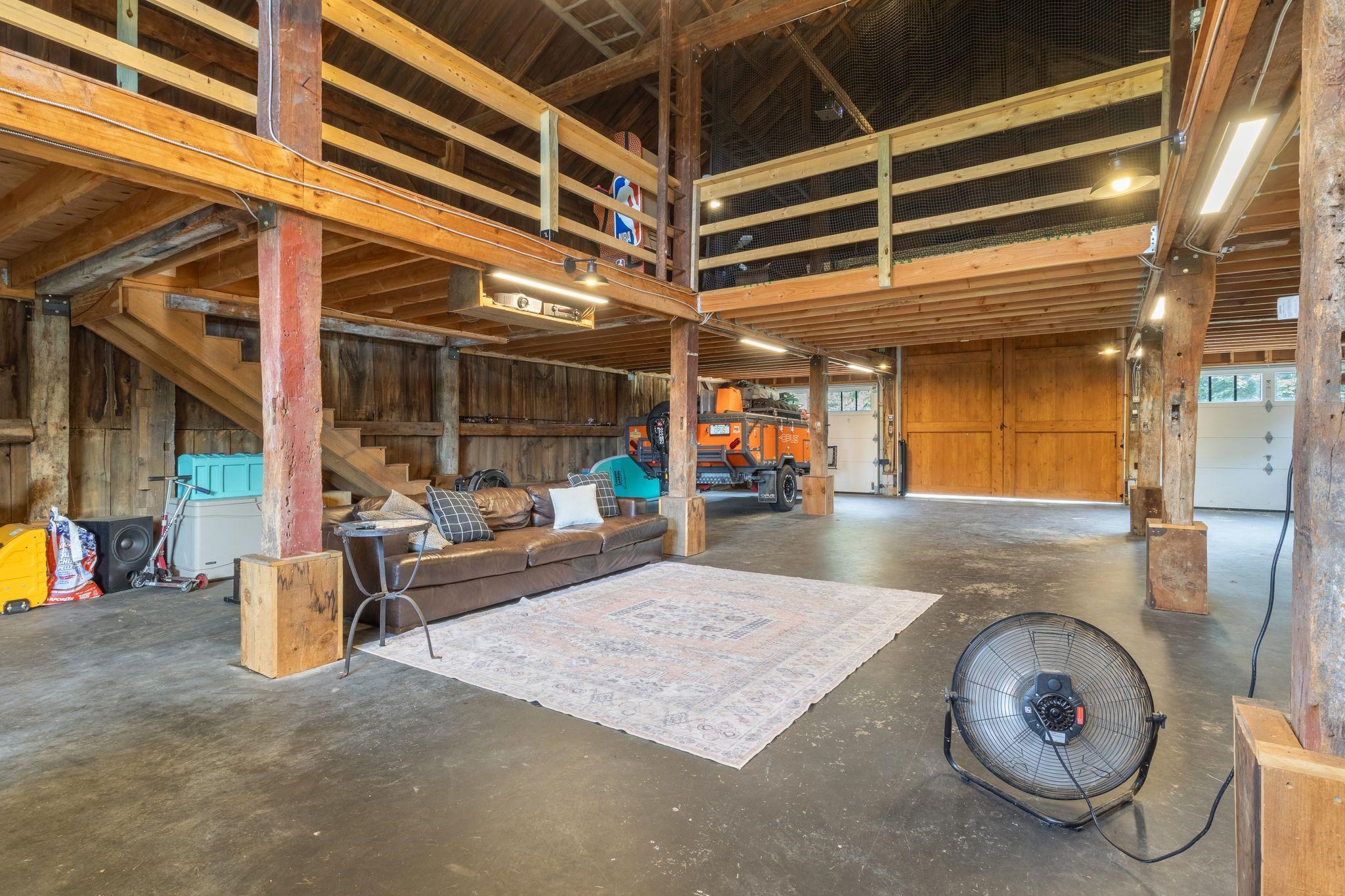

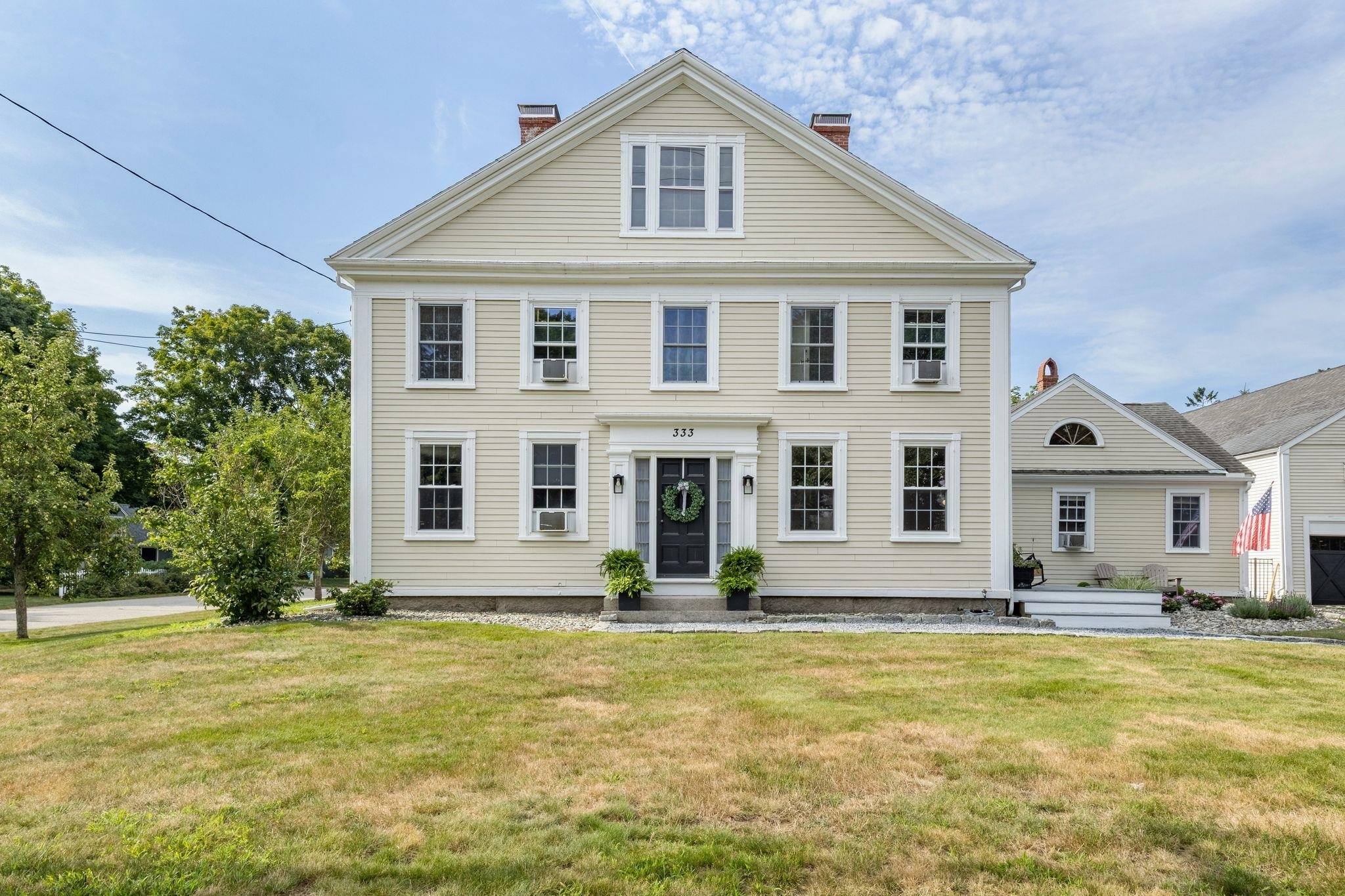



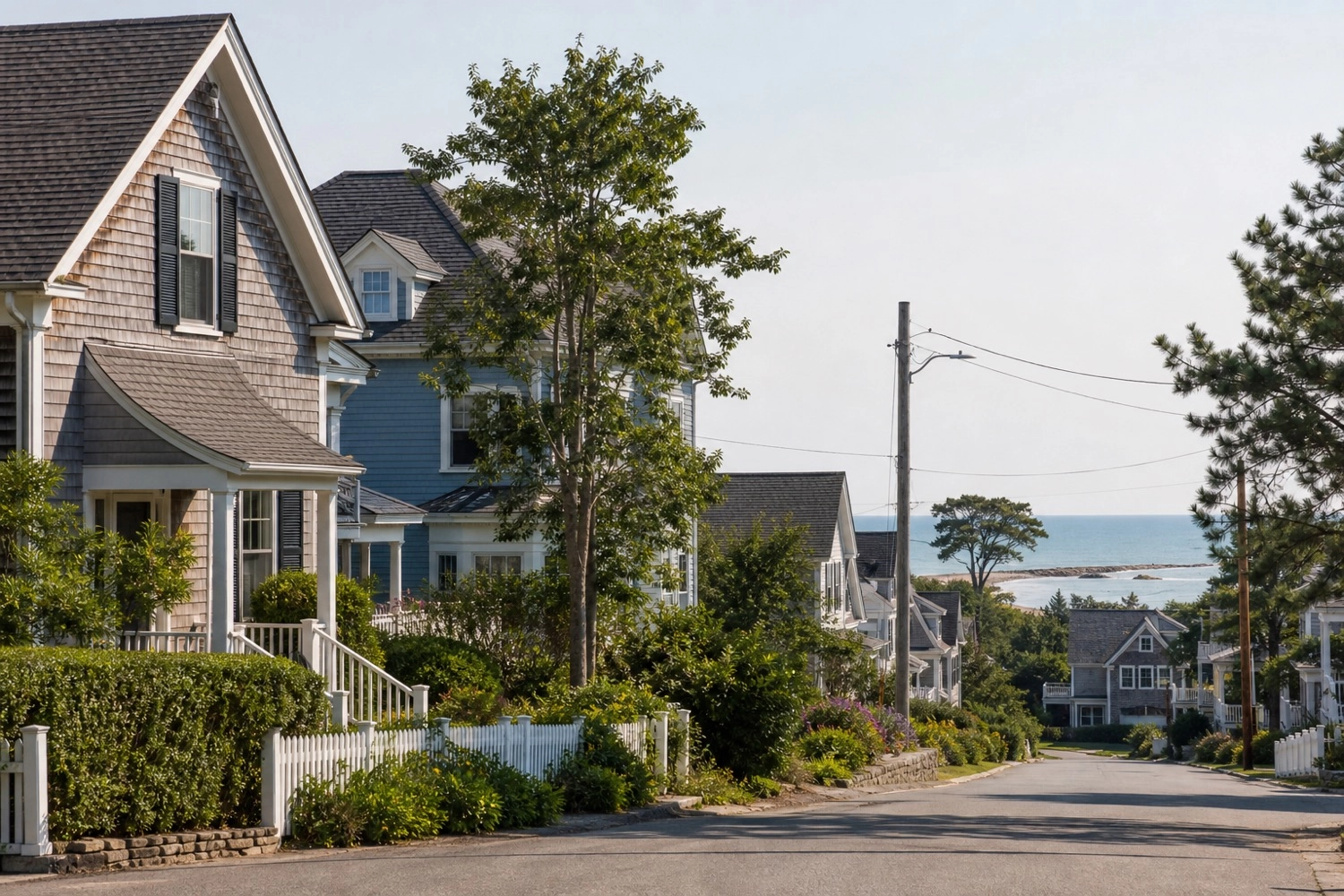
Hampton's familiar area names help organize a home search, but they do not replace parcel-level research. This guide compares Hampton Beach, North Beach, the town-center area, and inland residential settings without treating informal names as fixed legal boundaries.
Start with the ownership experience you want: ocean access, a lower-density residential setting, proximity to local services, condominium maintenance, or a detached home with private outdoor space. Then verify each address for zoning, flood exposure, utilities, parking, traffic patterns, rental activity, and property condition.
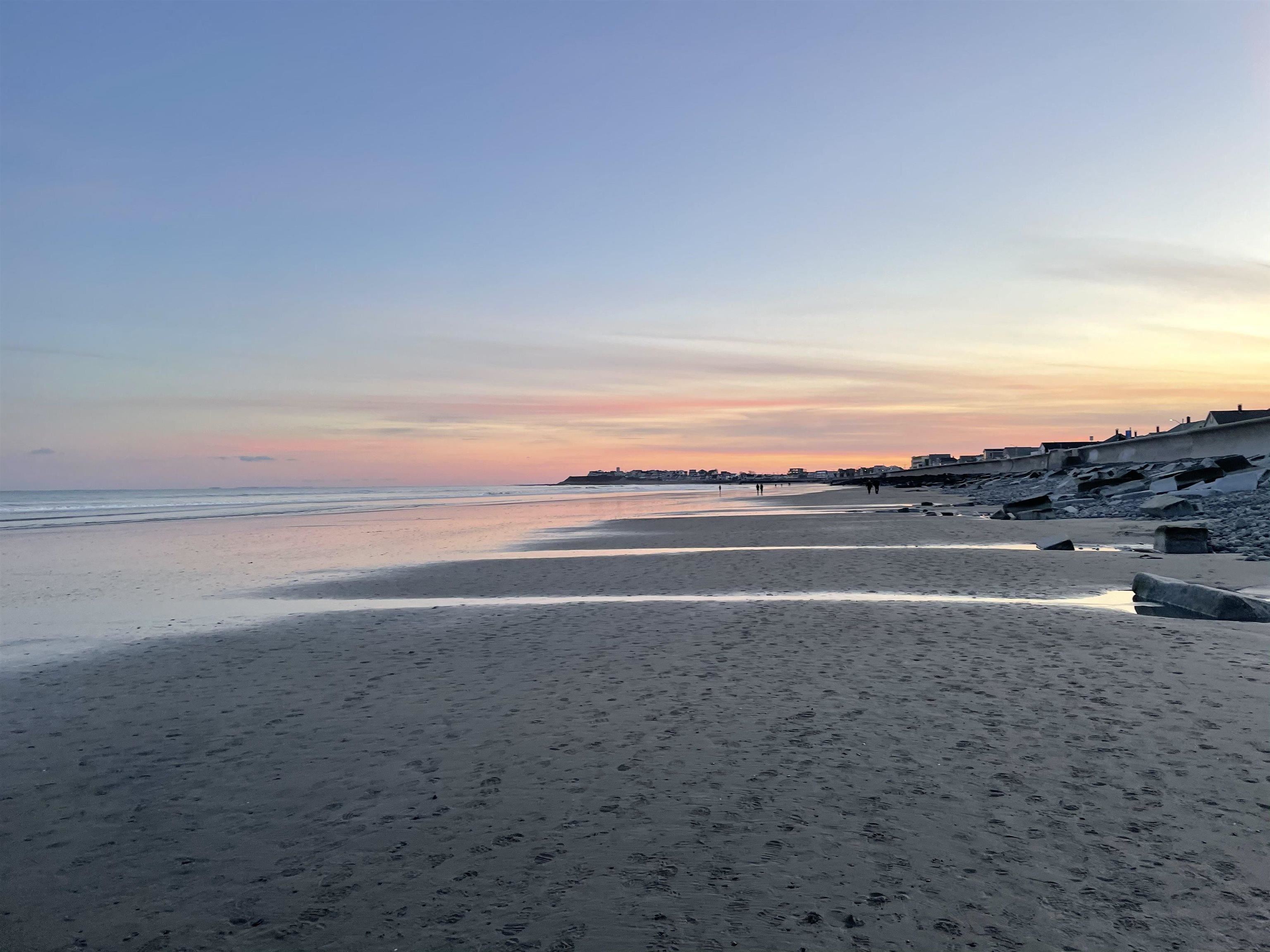
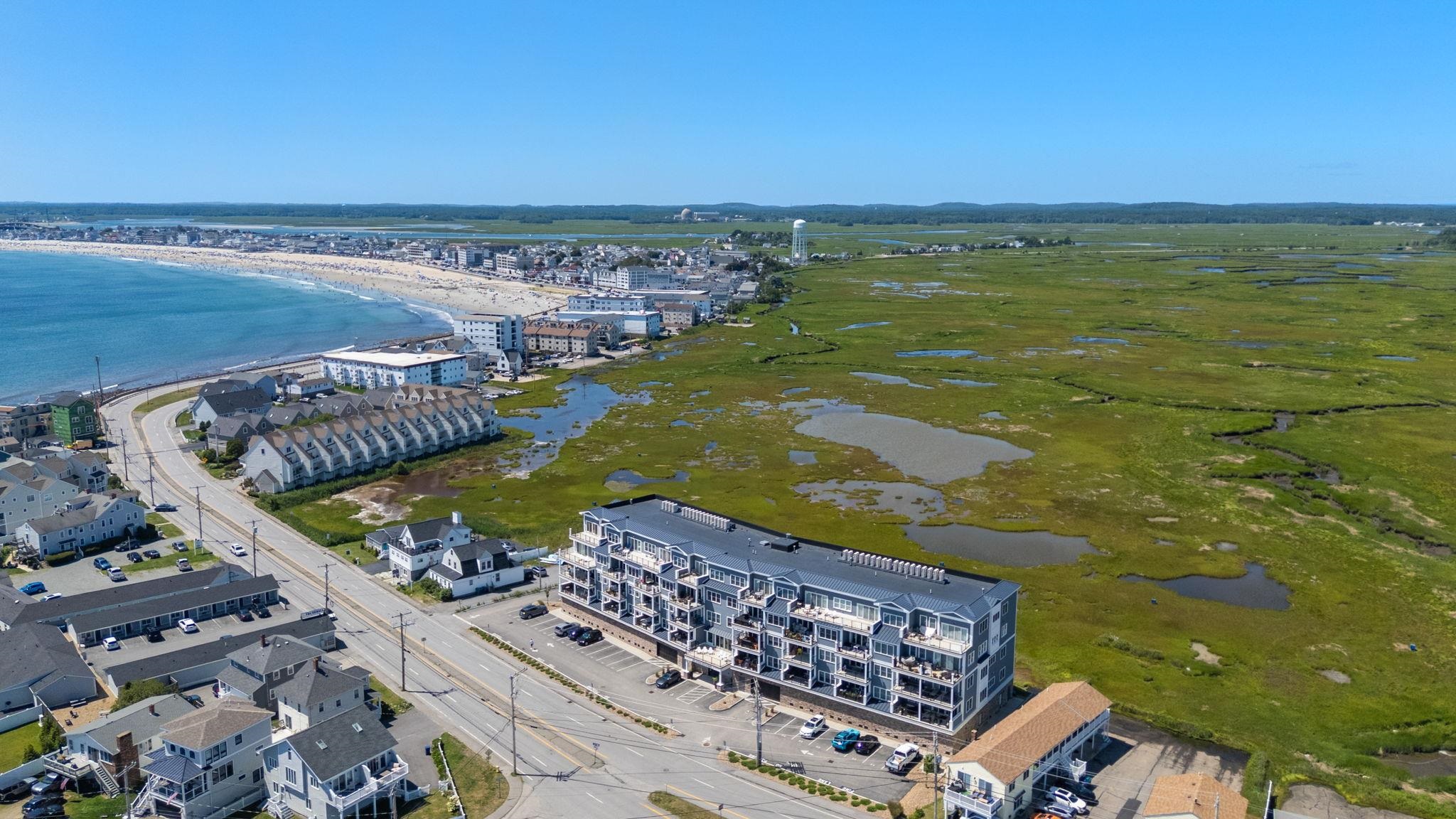
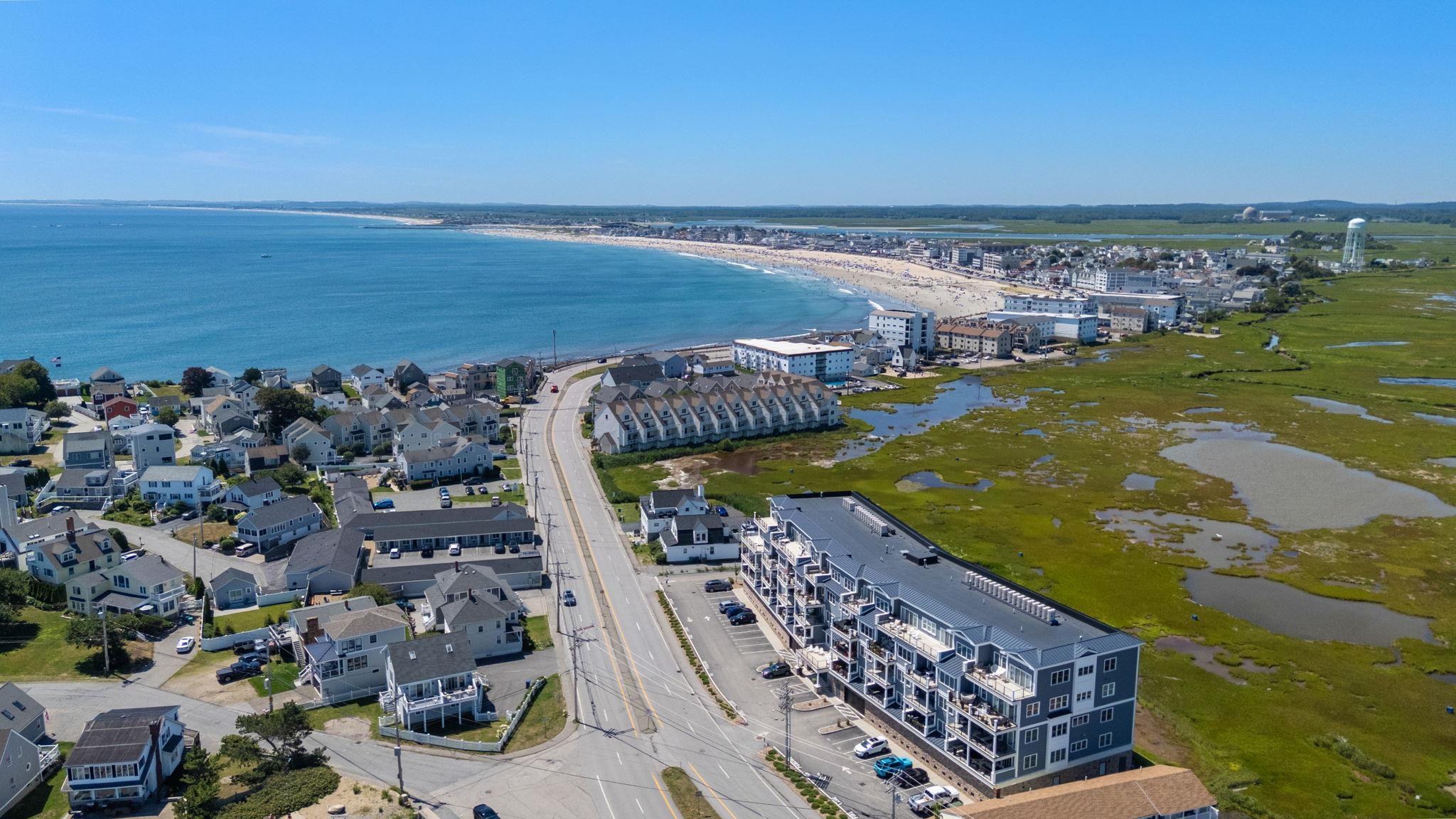
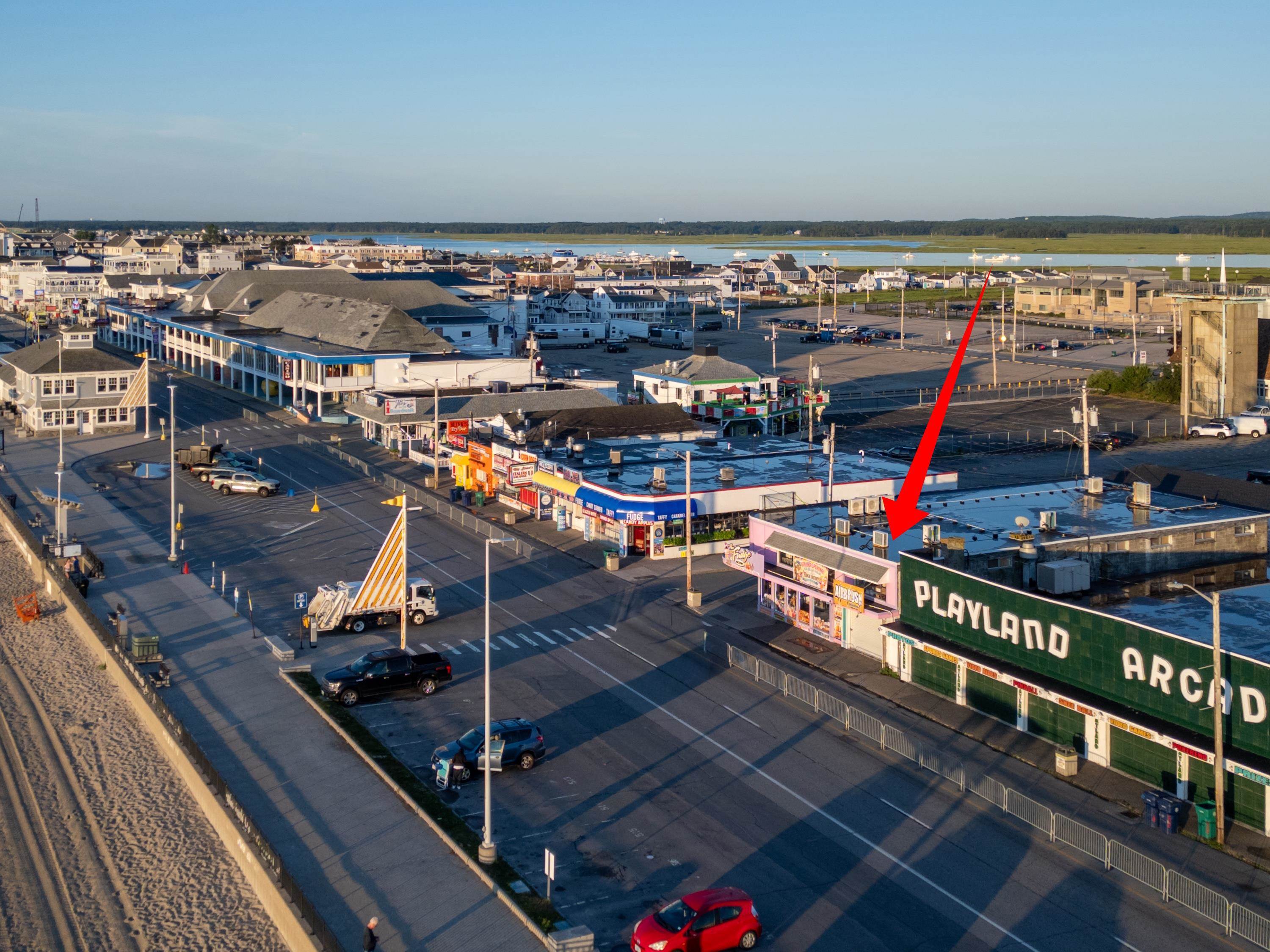
The main beach area includes condominiums, cottages, multifamily buildings, year-round residences, visitor-oriented businesses, and public facilities along the Atlantic. Proximity to recreation is a defining feature, but buyers should investigate seasonal activity, parking, rental rules, flood zones, elevation, insurance, association documents, and salt-air exposure.
Hampton Beach State Park provides year-round recreation; operating schedules and parking rules can change.
North Beach lies north of the main Hampton Beach district along Route 1A. Housing and condominium options vary by parcel and building. Buyers should compare ocean orientation, beach access, parking, road exposure, flood and wave-action mapping, exterior maintenance, and association responsibility.
The central part of Hampton offers established streets near town services and commercial corridors. Housing ages, lot sizes, traffic exposure, walkability, and redevelopment context vary. Confirm zoning and permitted use when a property sits near mixed residential and commercial activity.
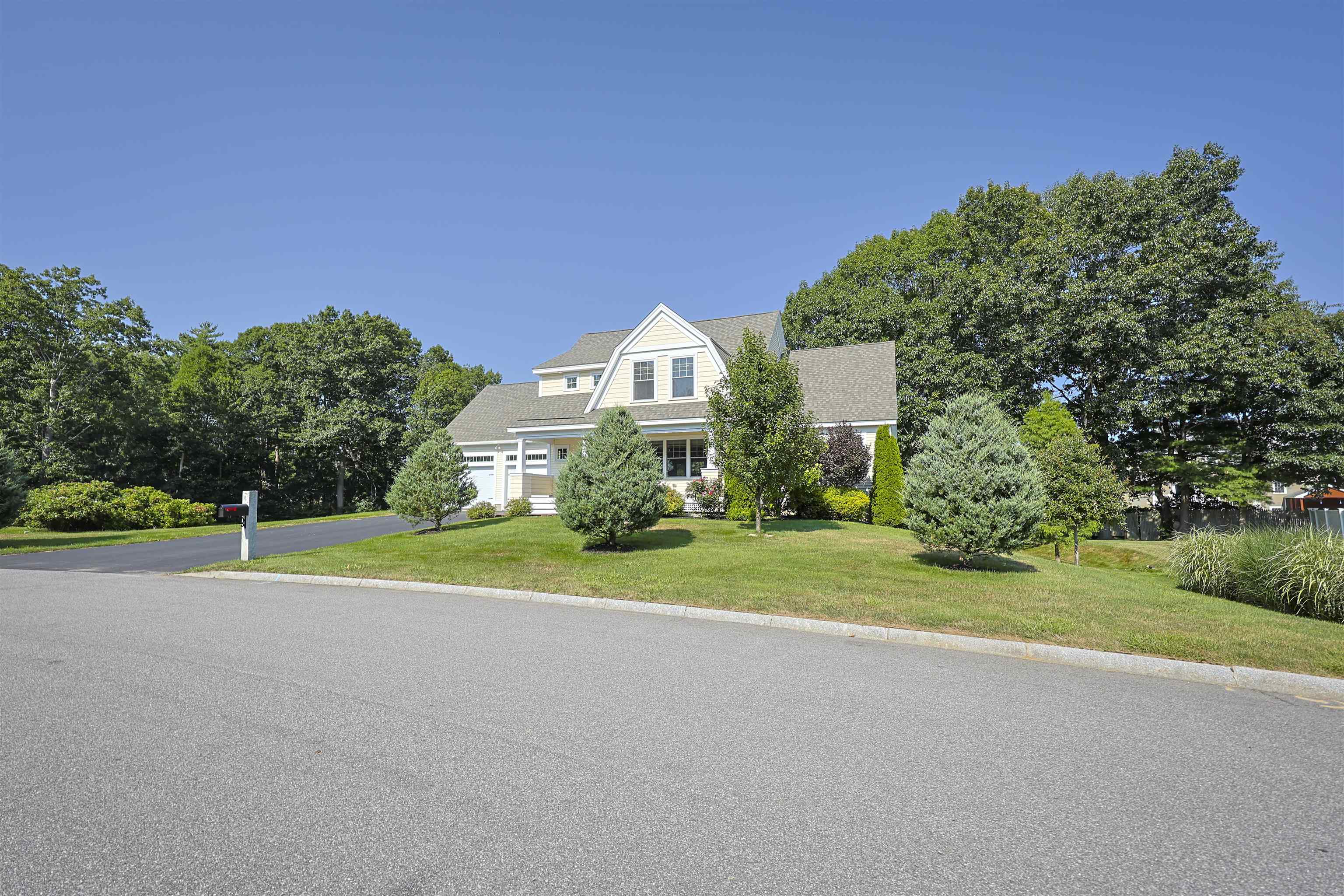
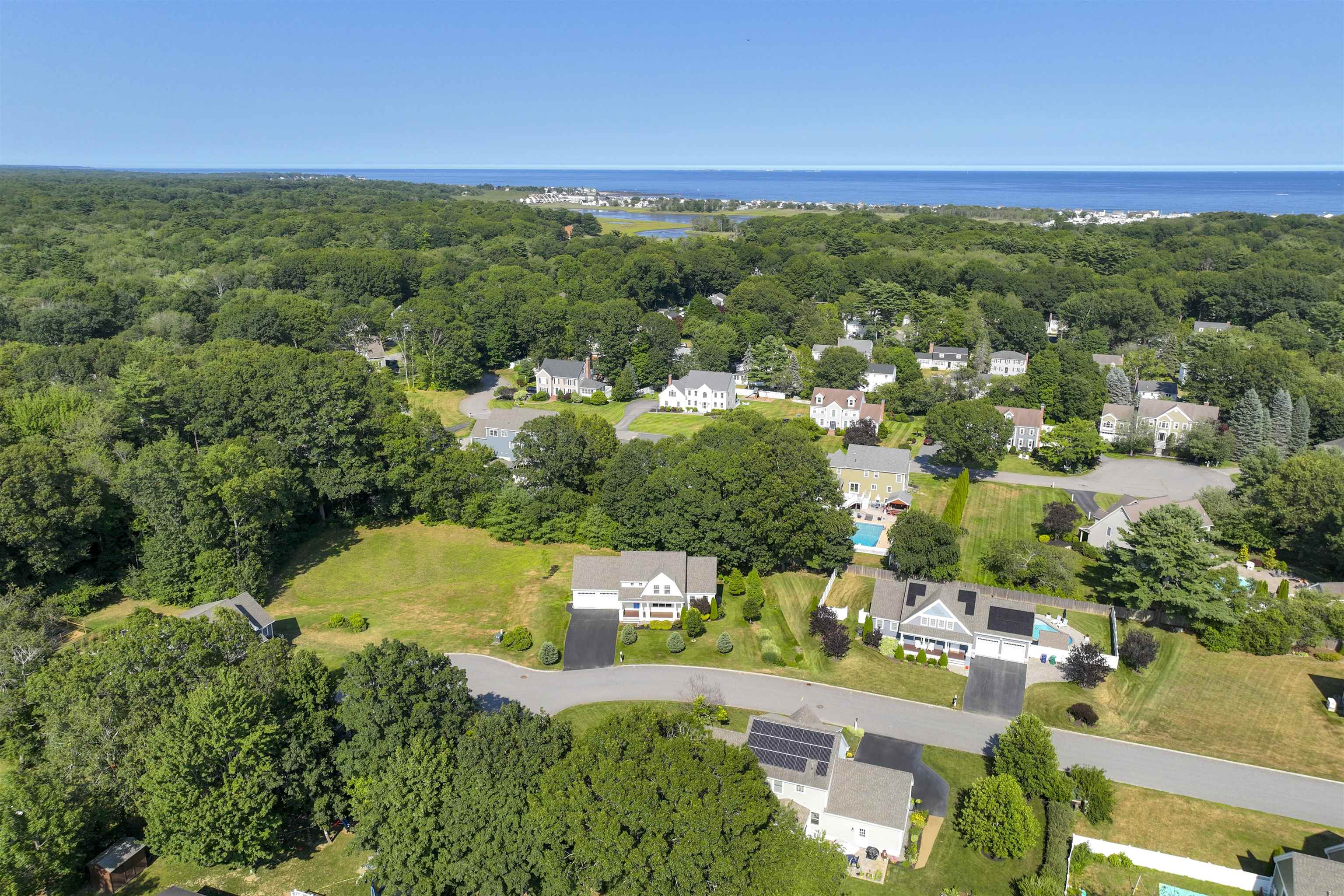
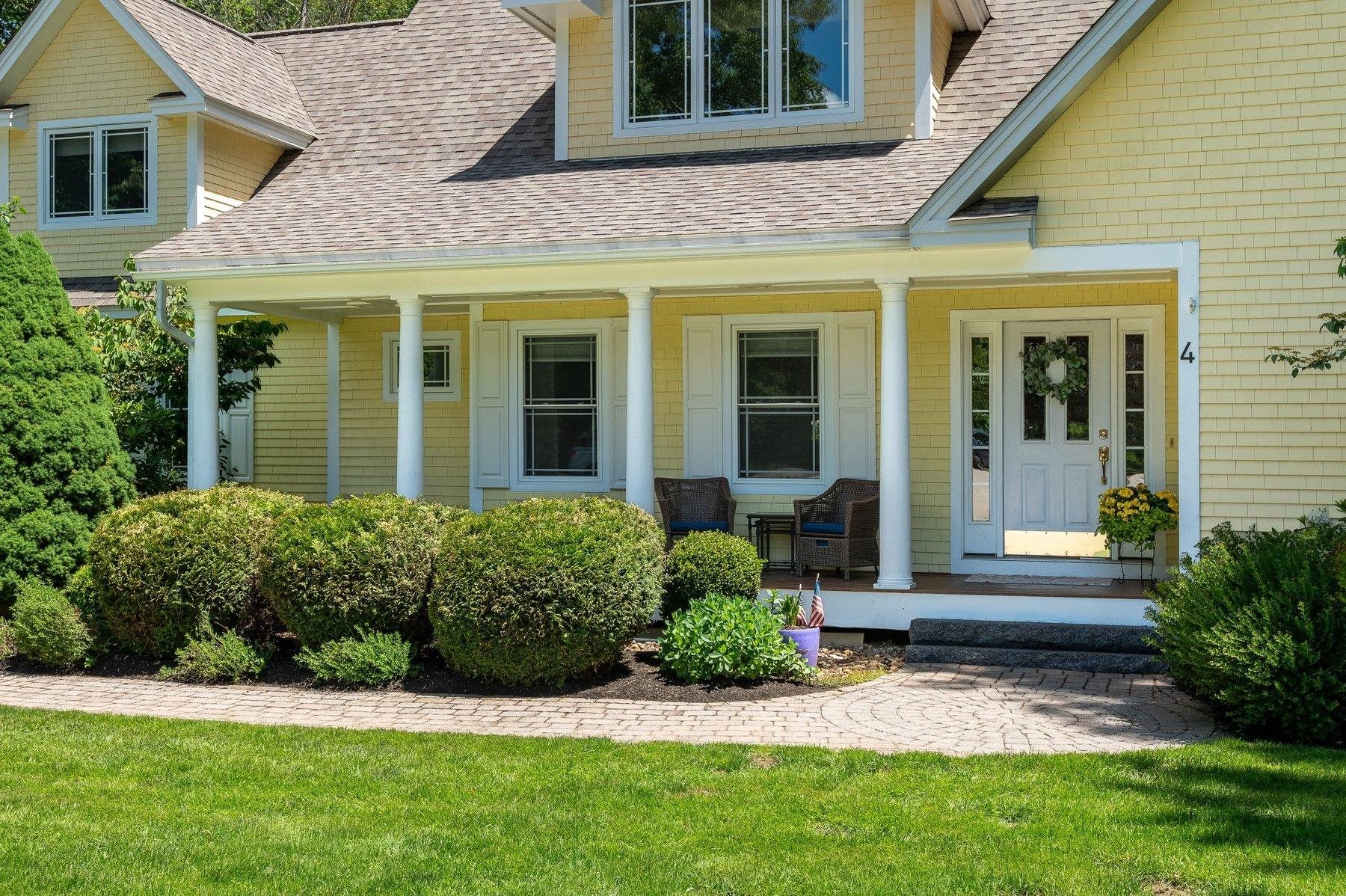
Inland residential settings include detached homes, subdivisions, and lower-density parcels. Coastal proximity can still influence drainage and insurance, while wells, septic systems, wetlands, easements, and private-road arrangements may become more relevant on particular properties.
Condominium ownership appears across several Hampton settings, not only at the beach. Review the legal unit boundaries, maintenance obligations, master insurance, reserves, rental and pet restrictions, parking rights, flood coverage, pending projects, litigation, and special assessments before comparing monthly fees.
Hampton Beach includes both seasonal and year-round use. Confirm winterization, heating, water service, association operations, rental history, and occupancy permissions for the particular property.
Some districts and precincts have legal significance, while familiar area names may be informal. Use the deed, tax record, zoning map, and municipal information for decisions.
Use the Town's official GIS maps page as a starting point, then confirm material findings with the appropriate authority and qualified professionals.
Equal Housing Opportunity. Area descriptions are objective search frameworks, not demographic characterizations or guarantees. Independently verify boundaries, regulations, schools, utilities, insurance, and property conditions.