New - 14 Hours Ago






Exeter's familiar area names help organize a property search, but they do not replace parcel-level research. This guide compares the historic core, Academy and Front Street area, Lincoln Street and western Exeter, newer growth corridors, and rural-edge settings without treating informal names as fixed legal boundaries.
Start with the setting you want: a walkable historic center, proximity to the rail station, an established neighborhood street, condominium maintenance, newer construction, or a lower-density parcel. Then verify zoning, utilities, parking, traffic, wetlands, flood information, historic-district status, association obligations, and property condition for every address.
Water Street, Front Street, High Street, and nearby blocks contain older homes, mixed-use buildings, apartments and condominiums near shops, civic buildings, riverfront spaces, and local services. Buyers should research parking, road activity, flood or river context, building systems, permitted use, and historic-district review.
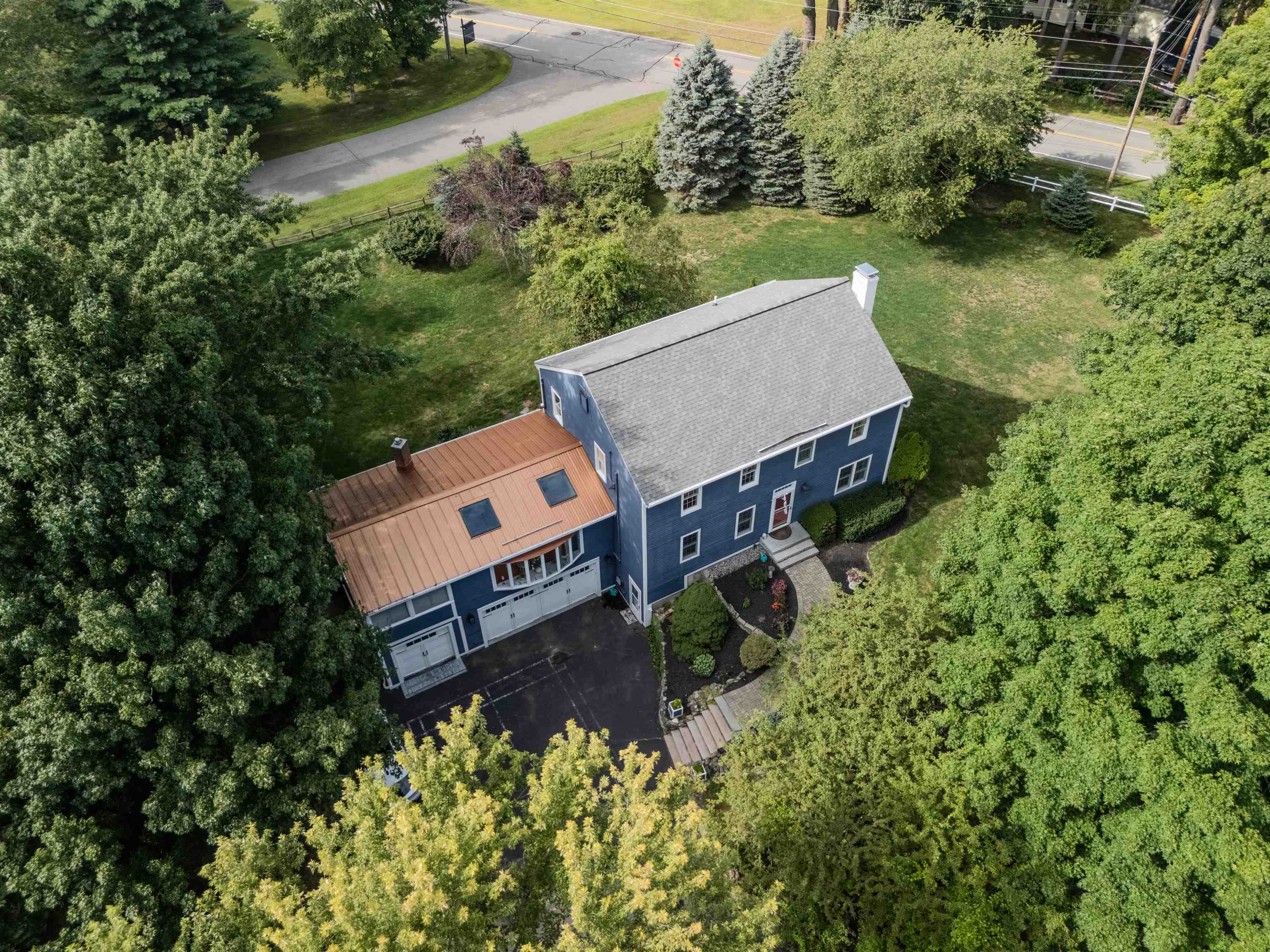
Residential streets around Phillips Exeter Academy connect directly with central Exeter. Housing age, architectural detail, lot size, student and event activity, historic status, and renovation history vary. Proximity to the Academy does not determine ownership rights or permitted use; research the individual parcel.
The Lincoln Street side of town includes the Downeaster station, schools, older residential streets, condominium options, and routes toward Epping. Compare actual walking routes, crossings, rail and road activity, parking, building condition, and utility arrangements rather than relying on map distance alone.
Residential development near the Jady Hill and Epping Road corridors includes condominiums, apartments, subdivisions, and age-restricted or planned communities alongside commercial growth. Association documents, traffic patterns, future development, construction phases, and zoning context are important parts of the comparison.
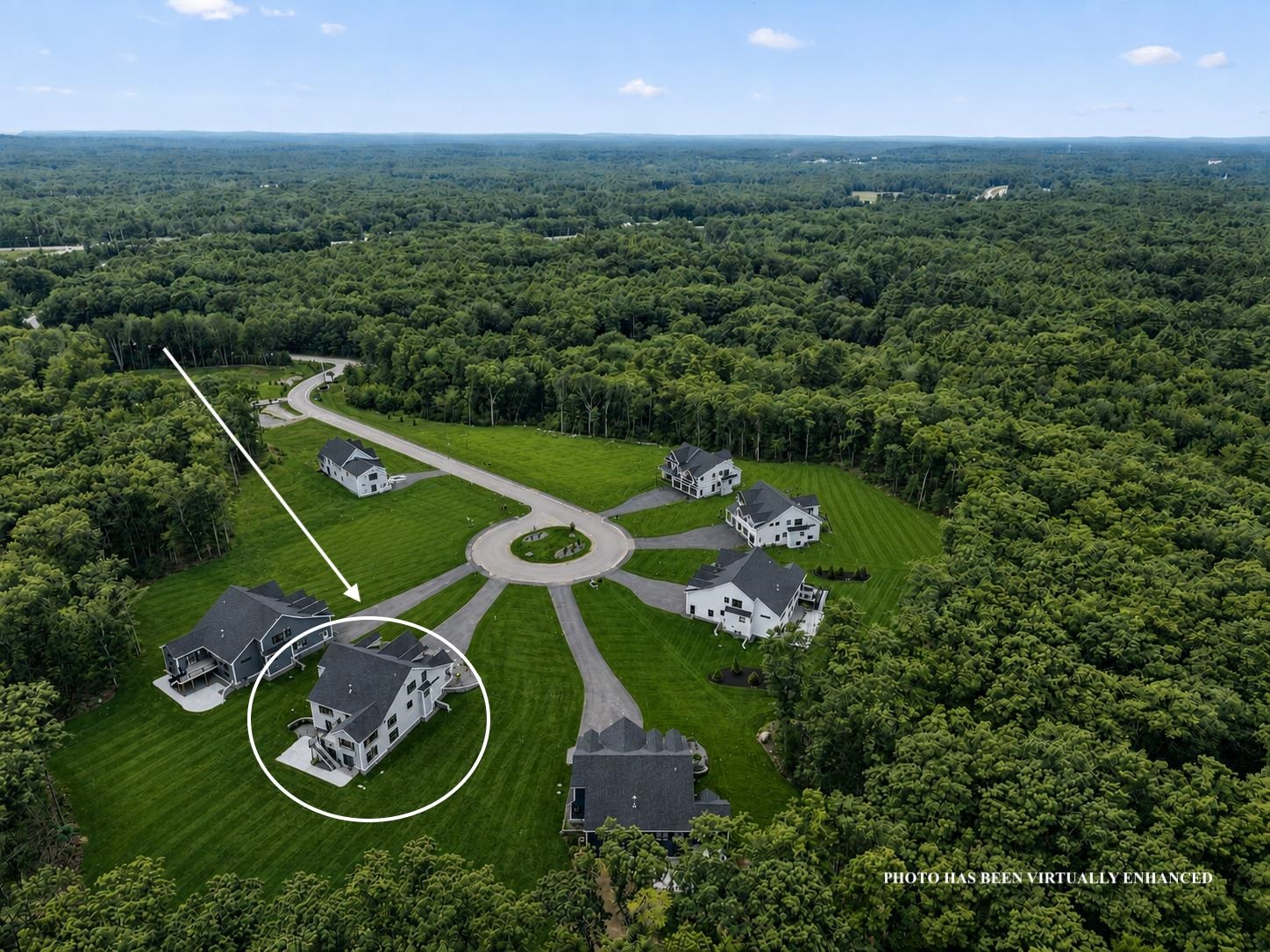
Properties toward Exeter's less-developed edges may offer more land or wooded surroundings. Wells, septic systems, wetlands, conservation restrictions, drainage, private roads, easements, and future land-use plans may require more investigation than a conventional in-town property.
Exeter's condo inventory spans different locations, building ages, unit styles, and association structures. Review legal unit boundaries, maintenance responsibilities, reserves, master insurance, assessments, age restrictions if any, rental rules, pet rules, parking, storage, and pending projects before comparing fees.
Historic, zoning, and tax boundaries may be official, while familiar residential-area names can be informal. Use current municipal maps and recorded documents for decisions.
Often yes, but some exterior changes may require Historic District Commission review. Confirm current guidance and approvals before relying on a renovation plan.
Begin with the Town's Planning Board and mapping resources, then confirm material conclusions with appropriate officials and qualified professionals.
Equal Housing Opportunity. Area descriptions are objective search frameworks, not demographic characterizations or guarantees. Independently verify boundaries, regulations, schools, utilities, insurance, and property conditions.