


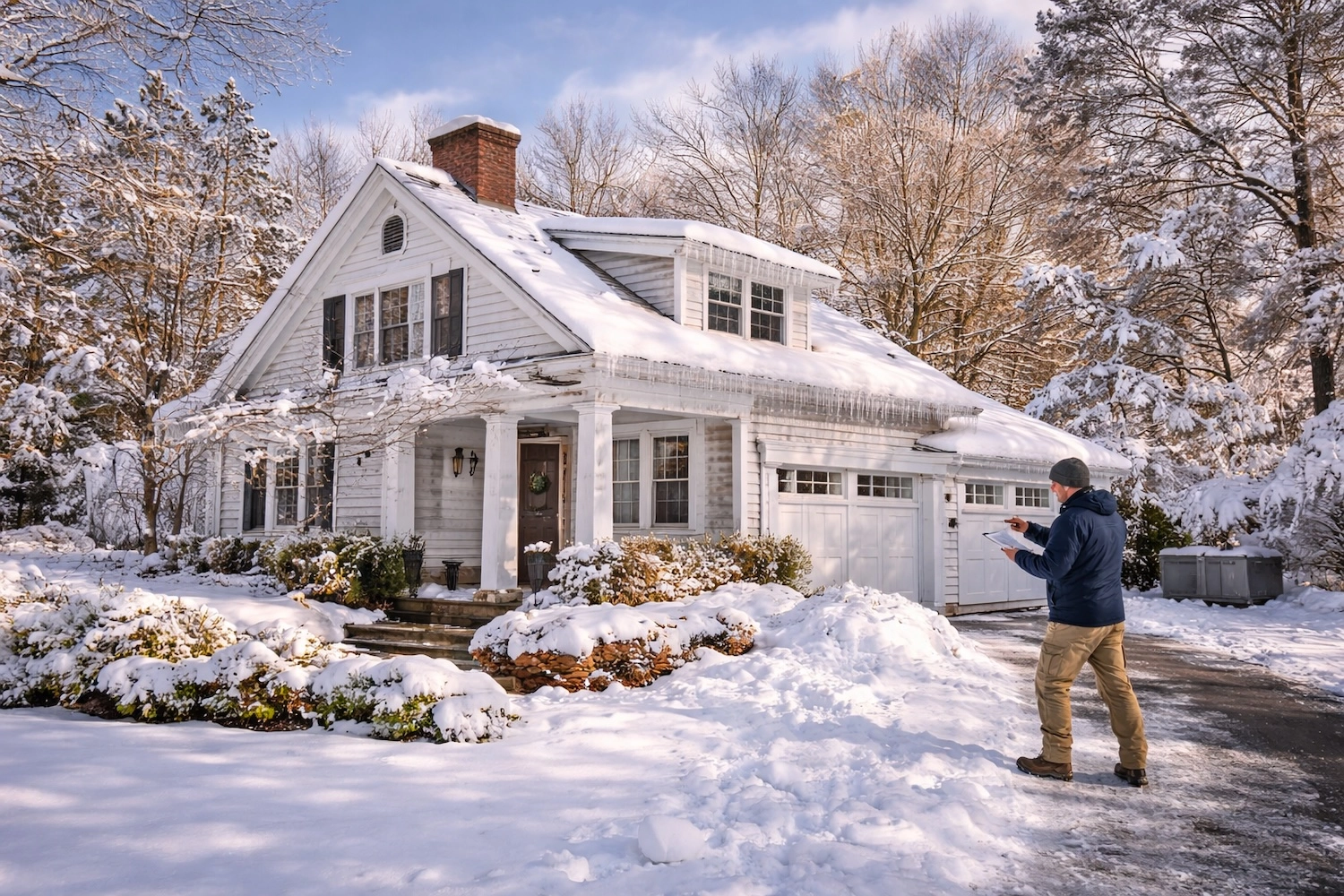
Winter Homebuying in New Hampshire:
Strategic Advantages, Smart Inspections & Cold-Weather Negotiation
When many people think about house hunting, they envision warm spring days, green lawns, and bright flowers. Yet in New Hampshire—where winters bring temperatures plummeting to -10°F and heavy snowfall blankets neighborhoods for months—the real estate market never fully hibernates. Winter homebuying isn’t just a matter of convenience or timing; it can be a strategic move for buyers seeking less competition, better negotiating leverage, and a clearer view of how a property truly performs in harsh weather.
Whether you’re relocating from out of state, upgrading from a starter home, or searching for your first property, understanding the unique advantages and challenges of winter shopping will help you make informed decisions. With the New Hampshire median home price hovering around $535,000 and days-to-pending typically around 7 days in normal seasons, winter markets shift these dynamics significantly in the buyer’s favor.
Strategic Advantages: Why Winter Is an Underrated Buying Season
While others are busy planning holidays or hitting New Hampshire’s ski slopes, serious buyers can take advantage of winter’s quieter market. According to recent 2025–2026 market data, the colder months offer several compelling benefits that savvy purchasers shouldn’t overlook.
Reduced Competition and Motivated Sellers
With fewer active buyers in the market, you’re far less likely to encounter bidding wars. Sellers who list during the off-season often have pressing reasons to move—job relocations, financial deadlines, or life changes—which can translate into significant negotiating power for buyers. Market data shows that homes spend longer on the market in winter months, averaging closer to 50 days compared to 30 days during peak buying season. This extended time creates urgency among sellers and opens the door for lower offers and greater concessions.
In recent years, approximately 14.7% of home sellers have dropped their asking prices in December and January, signaling genuine motivation to close deals before the market shifts in spring. When you combine this with the fact that fewer properties are listed during winter, motivated sellers face the reality that they must compete for buyer attention, shifting the balance decisively in your favor.
Better Pricing and Negotiation Leverage
A slower market consistently leads to more reasonable asking prices and a higher likelihood that sellers will entertain lower offers. Even a modest price reduction of $10,000 to $20,000 on a $535,000 purchase compounds into significant long-term savings over a 30-year mortgage. Winter buyers report greater flexibility on inspection contingencies, requests for repairs, and seller concessions such as contributions toward closing costs or property improvements.
Lenders and inspectors often have more availability in winter months, meaning your underwriting and scheduling can move faster. Having your financing pre-approved and rock-solid demonstrates to a motivated winter seller that you’re a “sure thing,” further strengthening your negotiating position. This is especially valuable in New Hampshire where the lending community is well-established and understands the nuances of cold-climate properties.
Real-World Performance Assessment
Winter showings reveal authentic details about how a home handles cold, snow, and ice that no other season can match. You can feel drafts around windows and doors, listen for creaky or inefficient heating systems, and check for ice dams, gutter issues, or roof problems in real time. This real-world performance evaluation is invaluable when making one of life’s largest investments.
During winter, hidden problems become visible problems. Energy inefficiency, poor insulation, moisture damage, and aging HVAC systems all declare themselves in cold weather. For a buyer, this transparency is gold—you’ll know exactly what you’re purchasing and can price that knowledge into your offer or negotiate for repairs before closing.
Challenges and Trade-Offs in the Winter Market
Buying in winter also comes with legitimate hurdles that require preparation and realistic expectations. Understanding these challenges beforehand will help you navigate them effectively.
Limited Inventory and Reduced Selection
Many homeowners wait until spring to list their properties, so winter inventory is notably lower. This means fewer options to choose from and potentially less flexibility in your search criteria. While reduced inventory creates seller motivation, it also means you may not find every type of property you’re seeking in winter. The solution: work with an experienced local agent who understands off-season inventory patterns and can alert you immediately to new listings.
Difficulty Evaluating Outdoor Spaces and Landscaping
Snow and frozen ground obscure landscaping, pools, decks, patios, and roofs. You cannot accurately assess yard size, tree health, or drainage patterns when everything is buried under snow. To address this limitation, ask sellers for summer photographs of the property, request copies of past inspection reports, and schedule a follow-up spring visit if possible before closing. Many savvy buyers include contingencies allowing them to re-inspect the property in warmer months before final closing.
Weather-Related Delays and Scheduling Complications
Severe snowstorms can impede travel for showings, delay inspections, postpone appraisals, and even push back closing dates. Road conditions in rural and mountainous areas of New Hampshire can become hazardous, and utility crews may take longer to service properties during winter weather events. Building extra time into your purchase timeline and maintaining flexible contingencies will help manage expectations and reduce stress.
Limited Daylight and Visibility Constraints
The sun sets by 4:30 p.m. in December and January, making daytime property viewings challenging. Touring properties in darkness prevents you from adequately evaluating natural light, neighborhood character, and exterior features. Schedule showings between 11 a.m. and 3 p.m. whenever possible, bring a bright flashlight for inspecting crawl spaces and attics, and ask your agent to provide daytime photographs of properties viewed at dusk.
Comprehensive Cold-Weather Inspection Checklist
Winter inspections are crucial and require focused attention to specific systems and structural elements. The cold season reveals problems that might hide in warmer months, so treat winter inspections as your opportunity to conduct a thorough, revealing evaluation.
Heating System and Energy Efficiency
This is perhaps the most important inspection item in a New Hampshire home. New England homes rely heavily on heating systems, and replacement costs are substantial. Test the furnace or boiler to ensure it heats quickly, distributes heat evenly, and maintains consistent temperatures throughout the home. Request recent service records, maintenance logs, and energy bills from the past three years to identify consumption patterns and efficiency trends.
According to current 2026 data, winter heating costs are projected to rise 7.6%, with average seasonal bills increasing from $907 to $976. Electricity-heated homes face the largest increases at approximately 10%. Know the age and type of heating system: furnaces typically last 15–20 years, while boilers can function for 20–30 years. If the system is approaching the end of its serviceable life, factor replacement costs into your offer. Oil furnaces range from $7,500 to $9,000 for installation, gas furnaces from $6,500 to $8,500, and boilers from $11,500 to $19,900 depending on type and hot water capabilities.
Ask specifically about regular maintenance contracts. Properties with annual HVAC servicing demonstrate that the owner has invested in system longevity and reliability. Request the name of the heating company and call them for maintenance history. This small step can reveal whether the system has required emergency repairs or if it’s been running smoothly.
Attic Insulation, Vapor Barriers, and Air Sealing
Inadequate attic insulation is the single largest contributor to ice dams, excessive heating costs, and poor energy efficiency in New England homes. Inspect the attic visually and measure insulation depth. For New Hampshire’s Climate Zone 6, the International Energy Conservation Code recommends R-49 to R-60 insulation. If the home has less than R-38, you’re looking at significant heat loss and moisture problems.
Check that vapor barriers are properly installed and intact. A good inspector will conduct a blower door test to evaluate how airtight the ceiling is, measuring air leakage rates that directly impact heating costs. Some inspectors use infrared thermal imaging cameras to identify specific heat-loss points in the ceiling and attic. Ask your inspector to provide thermal imaging results; this technology makes invisible problems visible and provides concrete evidence for repair negotiations.
Roof, Gutters, and Ice Dam Prevention
Ice dams form when heat escapes from the house into the attic and melts the underside of snow on the roof. As roof melt reaches the overhang, it cools, freezes, and creates a ridge of ice that prevents melting snow from draining off. This backed-up water leaks into the home, causing damage to walls, ceilings, and insulation.
Ice damming occurs when the attic temperature exceeds 30°F while outdoor air temperatures remain below 22°F—a common occurrence throughout New Hampshire winters. Inspect the roof for missing shingles, sagging sections, and signs of previous ice dam damage (discolored stains or water marks). Check gutter functionality: clogged gutters amplify ice dam formation. Clear, properly sloped gutters and downspouts that direct water at least 4 feet from the foundation are essential. Ask whether the property has heated cable systems installed along roof edges; these are effective but indicate a history of ice dam problems.
Foundation, Drainage, and Basement Moisture Assessment
Snowmelt in spring can reveal drainage problems that aren’t evident in summer. Look carefully for water marks, efflorescence (white powdery mineral residue indicating water intrusion), and musty odors in the basement. Ask whether the property has experienced flooding during spring thaw or heavy rain. Request copies of any water damage insurance claims or mitigation work. Inspect the basement floor for cracks, staining, or evidence of sump pump operation.
Check whether the property has an operational sump pump, and if so, verify that the discharge pipe leads at least 4–5 feet away from the foundation. Confirm that basement windows and wells are properly sealed and drain away from the house. These details matter enormously in New Hampshire where ground freezing and spring thaw cycles stress foundations continuously.
Windows, Doors, and Weatherization
Single-pane windows or worn weather stripping significantly impact comfort and utility costs. During winter inspections, feel for cold air leaking around windows and doors. Modern windows should open and close smoothly, and seals should prevent condensation or frosting between panes. If a home has original windows from decades past, budget for replacement costs ($300–$800 per window for quality units) in your offer calculations.
Inspect weather stripping around exterior doors, paying special attention to basement doors and side entrances. Check that door sweeps are intact and seal properly. These simple weatherization measures cost $50–$200 to repair or replace but significantly impact heating efficiency and comfort.
Driveway, Walkways, and Winter Accessibility
Assess driveway and pathway conditions when covered in snow or ice. Cracks, uneven surfaces, and poor-quality asphalt or concrete pose safety hazards and require expensive repairs ($8–$15 per square foot for asphalt resurfacing). Check the slope of the driveway and surrounding terrain to ensure water and snow runoff drain away from the house rather than toward the foundation. Verify that walkways to the home entrance are accessible and maintainable during winter storms.
Utility Access, Exterior Components, and Winter Maintenance
Verify that outside spigots are properly winterized (either shut off with internal drains or frost-proof models). Check that utility boxes, vents, and HVAC exhaust pipes remain accessible and functional during winter. Inspect oil tanks or propane tanks for rust, structural integrity, and secure footing—freezing and thawing cycles cause shifting that can damage these components. Ensure that exterior electrical outlets have weather-resistant covers and GFCI protection.
Practical Preparation for Winter Showings and Appointments
House hunting in freezing temperatures requires careful planning. Here’s how to maximize comfort and safety during property viewings:
Dress Strategically for Cold and Wet Conditions
Wear insulated boots with excellent traction and layers that allow freedom of movement. Boots should have rubber soles that maintain grip on ice and packed snow. Pack an extra pair of socks and thermal gloves in your car for wet conditions. Waterproof pants or gaiters protect against wet snow that melts on contact with your legs. Dress as if you’ll be standing outside in cold weather for extended periods, even though you expect to move through properties quickly.
Plan Travel with Weather Awareness
Check road conditions before driving and allow extra travel time. Winter storms can disrupt showings unexpectedly. If venturing into rural or mountainous areas of New Hampshire, ensure your vehicle is equipped with winter tires or tire chains. Keep an emergency kit in your vehicle containing blankets, flares, a shovel, and sand or kitty litter for traction. If weather becomes severe, don’t hesitate to reschedule showings rather than risk unsafe travel.
Bring Professional-Grade Lighting and Tools
A bright LED flashlight is essential for inspecting crawl spaces, basements, attics, and exterior features. The limited winter daylight means many interior spaces will be dark even at midday. Wear gloves that allow you to handle light switches and door handles while maintaining grip strength. Bring a notepad or use your phone to photograph details that will help you remember properties later.
Optimize Viewing Schedules Around Daylight
Schedule showings between 11 a.m. and 3 p.m. to maximize available daylight. Request that your real estate agent provide daytime photographs of exterior features and landscapes. If you can only view a property at dusk, ask the listing agent to send professional photos taken during daylight hours. Request earlier scheduled follow-up appointments if you’re serious about a property, allowing you to conduct a thorough daytime inspection.
Financing, Closing Logistics, and Winter Timing Considerations
Winter weather can affect financing and closing timelines in ways unique to the season. While lenders may have more capacity, weather disruptions can slow appraisals, surveys, and municipal record retrieval.
Mortgage Rates and Seasonal Interest Rate Trends
Mortgage rates fluctuate based on broader economic factors, inflation data, and Federal Reserve policy. Winter rates are often competitive, presenting an opportunity to lock in favorable rates before anticipated increases. According to recent 2025–2026 forecasts, New Hampshire’s housing market is positioned for gradual stabilization with modest growth expected as mortgage rates ease. If you anticipate rising costs in spring, consider locking in your rate now. A 0.25% difference in interest rate translates to hundreds of dollars annually in mortgage payments on a $535,000 purchase.
Homeowners Insurance and Winter Risk Assessment
Insurers examine risks related to snow load, ice damage, and older roofs. Homes with updated roofs (less than 15 years old), modern heating systems, proper insulation, and maintained gutters typically qualify for lower insurance premiums. Get insurance quotes before making an offer so you understand the true cost of ownership. Waterfront or flood-zone properties require additional insurance and may face higher premiums or lending restrictions.
Building Closing Date Flexibility into Your Offer
Include contingencies for delays caused by snowstorms or holiday office closures. Title searches, municipal permit checks, and final inspections can take longer if town offices close for snow days. Survey work may be delayed or impossible during frozen ground conditions. Negotiate closing dates that account for these realities. Many sellers appreciate buyers who understand winter logistics and propose realistic timelines.
Winter Moving Logistics and Property Preparation
Hire professional movers experienced in winter relocations. They know how to protect floors from salt and slush tracked in during the moving process. Arrange for snow removal at your new home before moving day, and clarify with the seller whether they’ll clear snow before closing or whether that responsibility transfers to you. If you’re purchasing in late February or March, confirm driveway conditions and accessibility for moving trucks before signing closing documents.
Strategic Negotiation Approaches and Inspection-Based Leverage
Winter inspections often reveal issues that are difficult or impossible to fix until spring. Use these findings strategically in your negotiations to protect your investment without extending your timeline.
Request Escrows and Credits for Deferred Repairs
If a roof requires replacement but cannot be completed until snow melts, negotiate a credit or holdback at closing. This ensures the repair happens without delaying your purchase. Similarly, ice dams, gutter repairs, or attic insulation improvements can be addressed by the seller using an escrow of funds held at closing. Work with your attorney to structure these agreements clearly, specifying repair timelines, contractor requirements, and how unused escrow funds are handled.
Document Inspections Thoroughly with Photos and Notes
Take detailed photographs and notes during inspections. Provide these to contractors for accurate repair estimates when weather improves. Documented evidence of issues strengthens your negotiating position and prevents disputes later about the condition of the property at the time of purchase.
Approach Negotiations with Winter Realism and Flexibility
Sellers may be dealing with the same weather obstacles you face. Approach negotiations with willingness to compromise on timing while still protecting your investment. Sellers appreciate buyers who understand winter constraints and propose creative solutions. This collaborative approach often leads to better outcomes than adversarial negotiating.
Remote Work, Community Vibe, and Lifestyle Fit
The rise of remote and hybrid work has fundamentally changed when and where people buy homes. Winter can be an ideal time for remote workers to relocate without waiting for a traditional selling season.
Assessing Internet Connectivity Over Commute Times
If your job is primarily remote, assess internet speed and reliability instead of focusing on commute times. Winter is the perfect season to identify areas prone to power outages or service disruptions. Ask neighbors about their internet reliability and whether their providers offer fiber, cable, or satellite options. Check with the local broadband authority about planned infrastructure improvements.
Experiencing Community Culture During Off-Season
Winter reveals how towns operate during off-peak times. Are local coffee shops open? Do businesses remain operational? Do neighbors pitch in to help with snow removal? Observing the community in colder months gives a realistic picture of year-round life and community cohesion. Visit during weekday mornings and evenings to gauge activity levels and neighborhood vitality.
Access to Winter Recreation and Seasonal Amenities
For many buyers, winter is the season to explore New Hampshire’s ski mountains, snowmobile trails, and winter festivals. A home near seasonal recreation amenities can be a major draw for outdoor enthusiasts. Visit ski resorts and snowmobile trailheads from your potential neighborhoods to confirm proximity and accessibility. Ask local residents about their favorite winter activities to gain insight into community culture.
Financial Preparation and Mindset Shifts for Winter Purchasing
Winter homebuying requires readiness and a long-term perspective. Preparation before making an offer significantly impacts your success and satisfaction with your purchase.
Review Your Credit and Financial Position
Obtain your credit report from all three bureaus and correct any errors immediately. Winter is an excellent time to address outstanding debt and improve your debt-to-income ratio before lenders scrutinize your application. Lenders have more capacity in winter months and can provide thorough, detailed pre-approvals. Use this advantage to demonstrate that you’re a strong financial candidate.
Budget for Winter-Specific Expenses Beyond the Down Payment
Beyond traditional down payment and closing costs, budget for winter-specific purchases: roof snow rakes ($30–$100), generators for power outages ($500–$5,000), de-icing supplies for walkways, extra insulation, weatherstripping, and potential heating system maintenance. These costs add up and should be factored into your total investment budget.
Partner with a Local Real Estate Professional
An experienced New Hampshire real estate agent understands town-by-town differences, seasonal patterns, school district variations, and negotiation strategies specific to winter deals. Their knowledge of local market dynamics, including which towns experience ice dam problems or have better snow removal services, is invaluable. Bean Group, brokered by eXp Realty, brings deep New Hampshire market expertise and can guide you through every step of the winter homebuying process.
Adjust Expectations to Focus on Structural Quality Over Aesthetics
You may not find your dream porch or garden during winter, as landscaping and outdoor aesthetics are hidden under snow. Focus instead on structural quality, mechanical systems, neighborhood fit, and long-term investment potential. Landscaping can always be improved in warmer months, but fixing structural problems is expensive and time-consuming.
The Broader Market Perspective: Why Winter Matters in New Hampshire
New Hampshire’s real estate market is well-positioned for 2026, with gradual stabilization expected as mortgage rates ease and inventory conditions improve. The state’s median home price of approximately $535,000 remains resilient, with homes selling at about 100.9% of listing prices even in slower winter markets. This suggests fundamental strength and buyer interest throughout the year.
Days-to-pending metrics typically hover around 16 days in normal market conditions, but winter months often extend this timeline, giving buyers more time to conduct thorough due diligence and negotiate effectively. Current inventory levels of 2.7 months of supply indicate a relatively balanced market, though winter typically sees lower inventory than spring and summer.
Buyers who understand these seasonal dynamics can strategically time their purchases to maximize negotiating leverage while still accessing homes that meet their needs and budgets.
Key Takeaways for Winter Home Buying Success
Winter homebuying in New Hampshire presents both opportunities and challenges. By focusing on the advantages—less competition, motivated sellers, clearer property performance visibility, and stronger negotiating leverage—and preparing for the challenges—limited inventory, weather delays, and limited daylight—you can turn the off-season into your strategic advantage.
Comprehensive cold-weather inspections reveal authenticity that no other season can match. Test heating systems, measure attic insulation, assess for ice dams, check basement moisture, and evaluate overall weatherization. These actions provide concrete information for negotiations and help you avoid costly surprises after closing.
Careful planning of financing, closing timelines, and logistics ensures that winter weather doesn’t derail your purchase. Building flexibility into agreements and working with experienced professionals who understand New Hampshire’s unique winter real estate dynamics positions you for success.
Remember: a home is a long-term investment, and winter is just one snapshot of its performance. New Hampshire’s snowy season showcases resilience and reveals vulnerabilities in ways that warm-season showings never can. With patience, preparation, and a knowledgeable team by your side, you can find the perfect Granite State home even when the temperature drops.
Ready to Begin Your Winter Home Search?
If you’re considering purchasing a home in New Hampshire during the winter months, Bean Group, brokered by eXp Realty, is here to guide you through every step of the process. Our experienced agents understand the unique dynamics of winter real estate in New Hampshire and are equipped to help you identify motivated sellers, navigate cold-weather inspections, and negotiate effectively for your dream home. Contact us today for personalized guidance, a comprehensive winter homebuying checklist, and market insights specific to your desired neighborhoods.