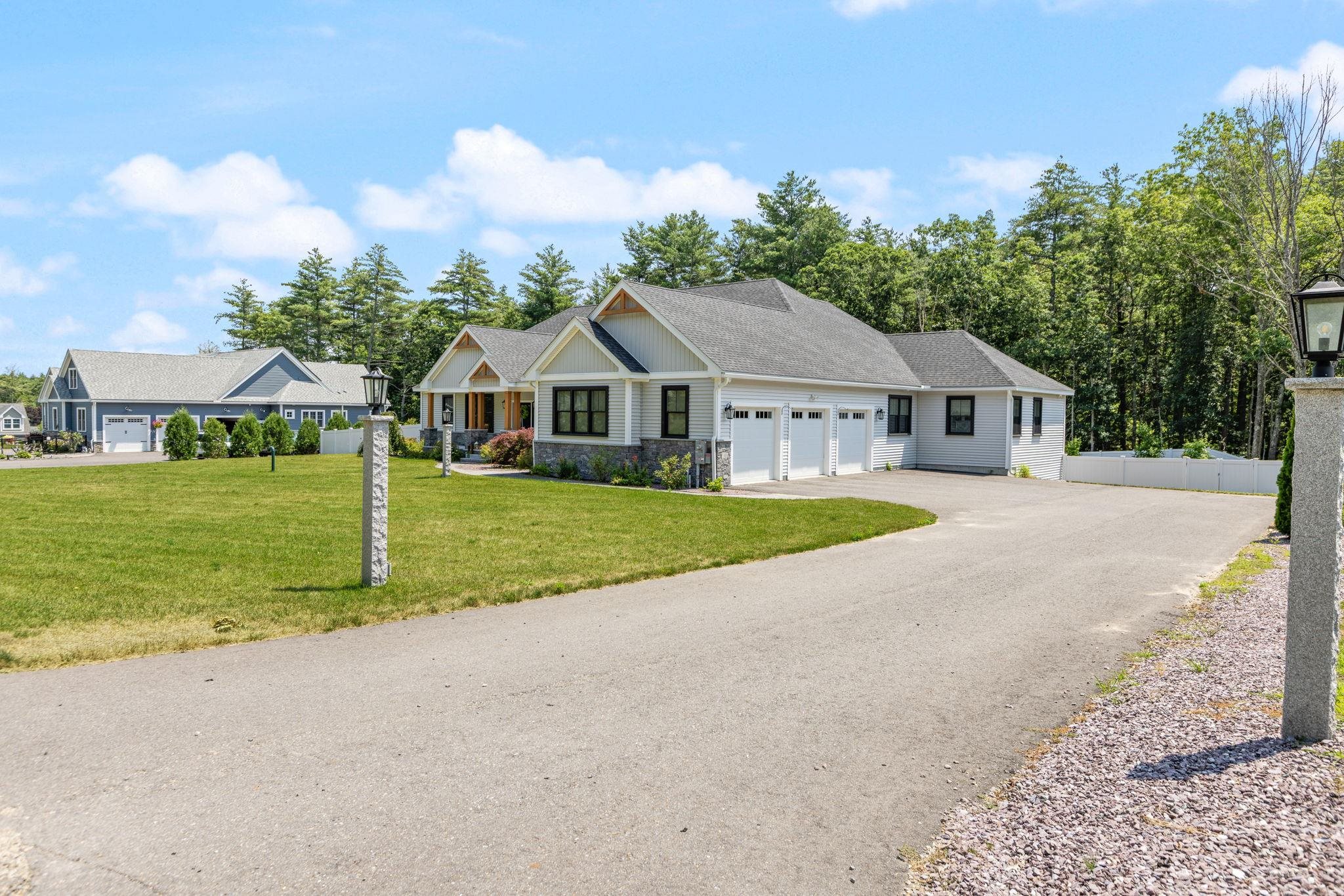
New - 6 Days Ago
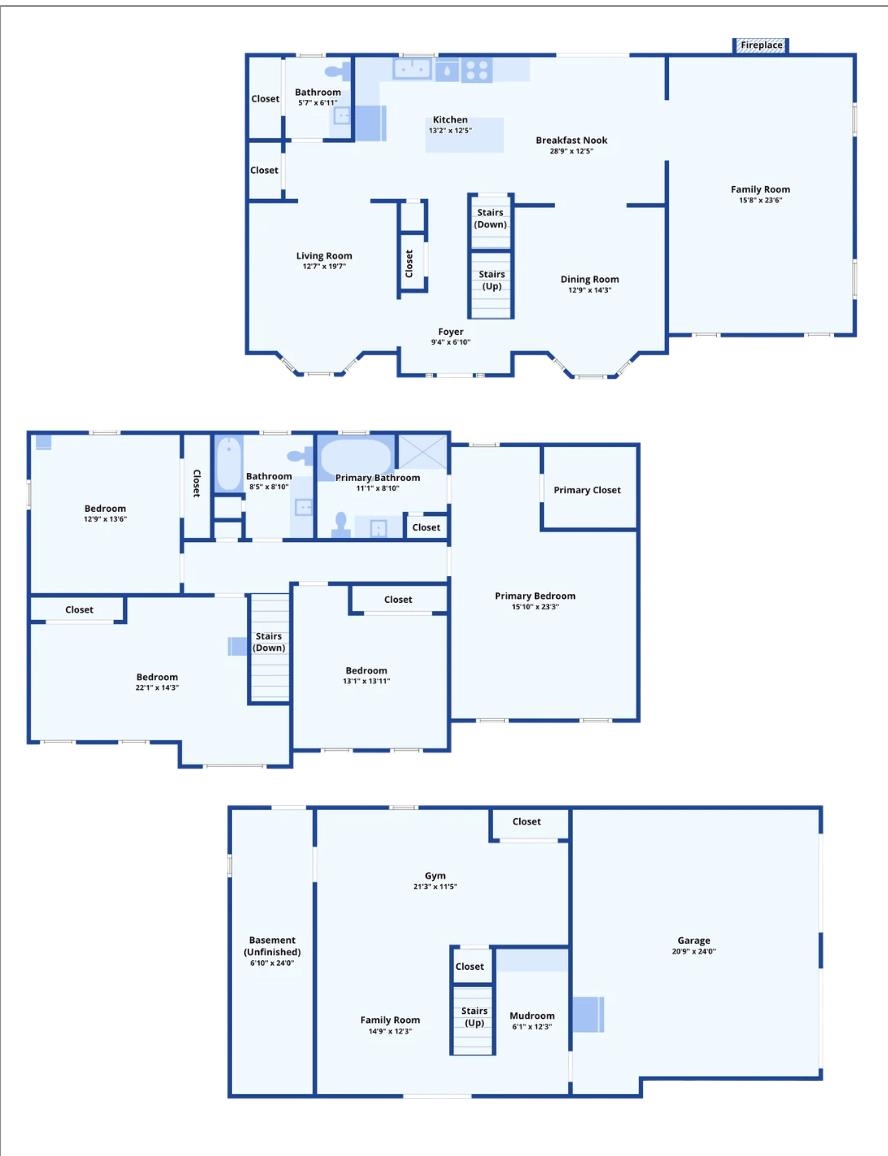

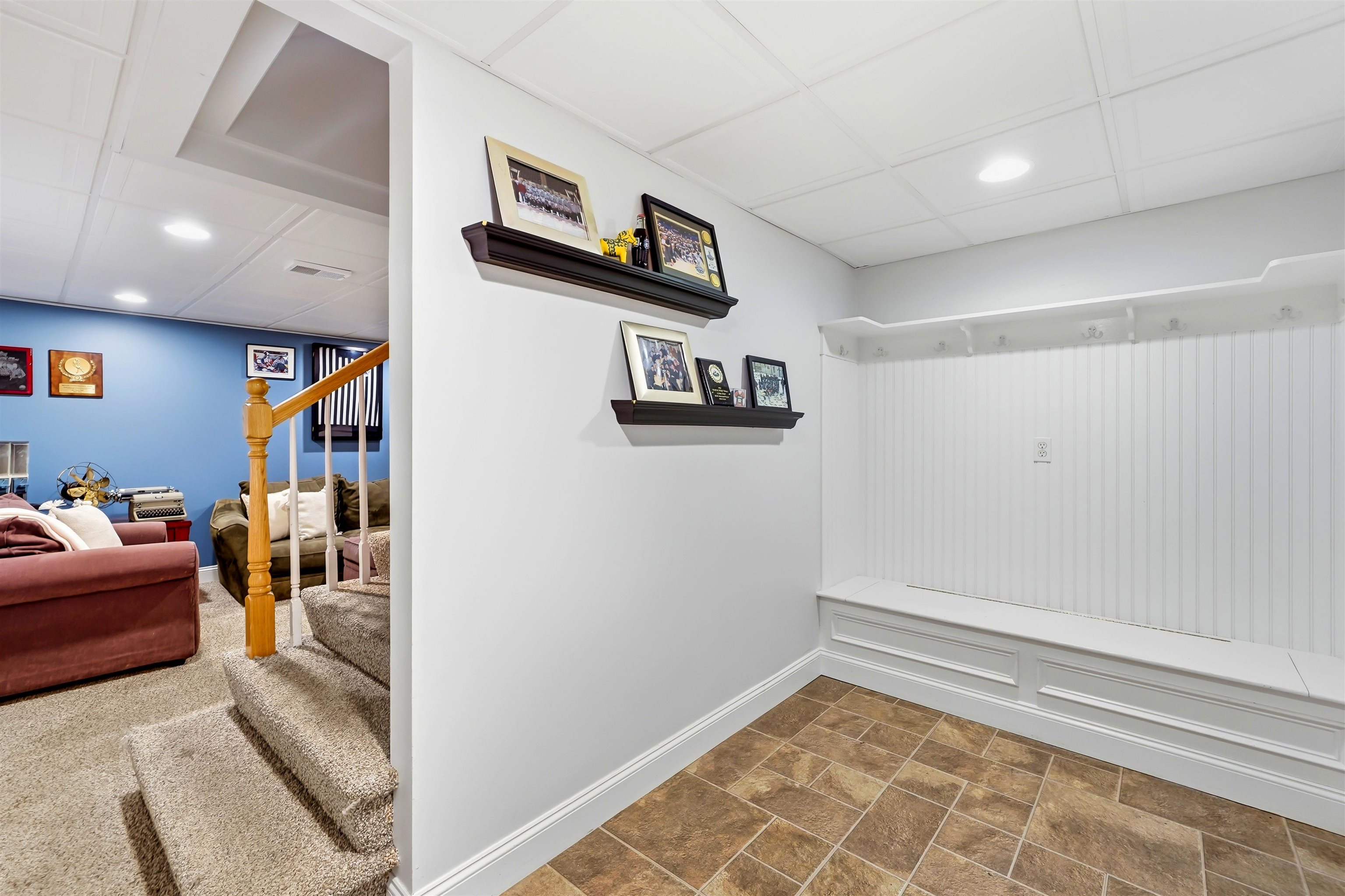



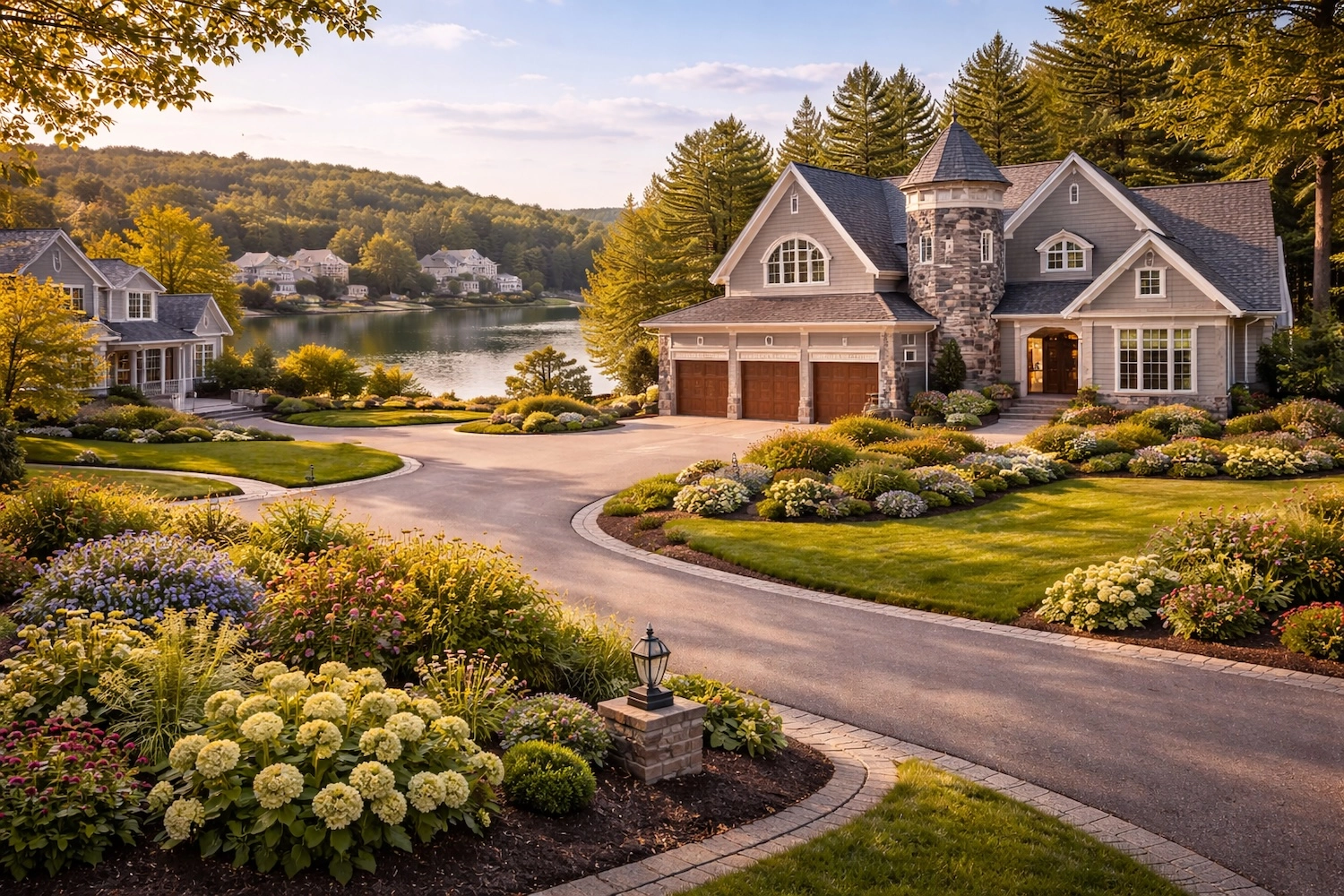
In an era where remote work has fundamentally redefined the meaning of location independence, discerning families are discovering that they no longer need to sacrifice quality of life for career opportunities. Across New Hampshire, approximately 121,000 workers—or roughly 16% of the workforce—now work from home, marking a permanent shift from pre-pandemic norms when only 7.3% of workers operated remotely. This structural change has unleashed unprecedented migration patterns, with affluent professionals increasingly seeking communities that balance professional connectivity with lifestyle quality.
Windham, New Hampshire, nestled in the southeastern corner of the Granite State, represents the perfect synthesis of small-town charm, exceptional amenities, and strategic positioning that appeals to today’s mobile workforce. Located just 35 miles north of Boston and 20 miles south of Manchester, Windham sits at the intersection of two major New England employment markets while maintaining the serene character that defines premium New England living. The community of approximately 15,000 residents has become a magnet for affluent professionals and families seeking an elevated standard of living without the compromises typically associated with either rural isolation or dense urban environments.
To understand Windham’s value proposition, context within New Hampshire’s broader real estate landscape proves essential. The state’s housing market has experienced consistent appreciation, with 69 consecutive months of year-over-year price increases through October 2025. The statewide median single-family home price reached $535,000 in 2025, representing a 3.9% increase from the prior year—a notable slowdown from the historical average of 8.5% annual appreciation over the past decade.
Windham commands a significant premium within this market. The median home value in Windham stands at approximately $731,000, with recent transactions ranging from $687,000 to $830,000 depending on property characteristics and timing. In December 2025, the 03087 zip code recorded median prices of $739,000, reflecting a 36% premium over the statewide median. This premium reflects both the town’s exceptional positioning and the substantial value differential compared to equivalent properties in Boston-area suburbs, where similar homes command prices between $800,000 and $1.2 million.
The broader New Hampshire housing market currently faces significant affordability pressures. The 2025 NHAR Affordability Index stood at just 58, meaning the median household income in New Hampshire is only 58% of what is required to qualify for a median-priced home under current mortgage terms. For Windham specifically, with median household incomes exceeding $160,000, the community appeals disproportionately to affluent households that can navigate these affordability constraints.
The current real estate environment in New Hampshire reflects what real estate professionals characterize as a seller’s market with stabilizing conditions. Statewide inventory remains constrained at just 2 months supply, far below the 5-7 months typically associated with balanced markets. In December 2025, approximately 4,588 homes were listed for sale statewide, representing a 16.6% year-over-year increase, yet this expansion pales against underlying demand pressures.
Windham properties display somewhat faster market absorption than statewide averages. Homes in the 03087 zip code currently spend approximately 26 days on market, an increase from 21 days in 2024, suggesting slightly more balanced conditions than statewide metrics. However, this still represents a decidedly competitive seller’s market. Properties listed at $737,000 (Windham’s mid-year median) generate intense buyer interest, with competitive bidding situations common during peak season months.
Prospective Windham buyers must navigate the current mortgage rate environment carefully. As of February 2026, the 30-year fixed mortgage rate averaged 6.11%, with some lenders quoting rates as high as 6.26%. These rates have remained relatively elevated throughout 2025 and early 2026, constraining purchasing power compared to the historically low rates of 2020-2021.
For a buyer considering a $731,000 purchase in Windham with 20% down ($146,200) and a conventional mortgage, the monthly principal and interest payment would approximate $3,490 at the current 6.11% rate over a 30-year amortization. When combined with property taxes (detailed below), homeowners insurance, and HOA fees (where applicable), total monthly housing costs for Windham properties typically range from $4,500 to $5,500, representing approximately 27-33% of household income for the community’s median earners.
Beyond quantifiable market data, Windham embodies what makes New Hampshire distinctive while maintaining the refined lifestyle that successful professionals expect. The town’s commitment to preserving character while embracing thoughtful growth has created an environment where children experience genuine small-town freedom while parents access amenities typically found only in larger communities. From championship golf courses to award-winning schools, Windham delivers a lifestyle that satisfies discerning standards while remaining more accessible than comparable Boston-area communities.
The town maintains over 30% of its land area permanently protected through conservation easements and public ownership, ensuring environmental preservation across generations. Over 20 miles of hiking and walking trails provide residents direct access to natural recreation without leaving town boundaries. This intentional preservation creates what demographers recognize as significant social capital—visible commitment to quality over extraction that resonates throughout property valuations and resident satisfaction metrics.
For affluent families, educational quality ranks as the primary consideration when selecting communities, and Windham delivers exceptional measurable performance. The Windham School District ranks 7th of 76 among New Hampshire school districts according to Niche’s comprehensive methodology. On standardized assessments, 68% of district students achieved proficiency in mathematics while 73% demonstrated proficiency in reading, exceeding both state and national benchmarks.
Windham High School holds an overall grade of A-minus (excellent) and ranks 8th of 91 public high schools statewide, placing it within the top 10% nationally according to U.S. News & World Report rankings. The high school’s college acceptance rate consistently exceeds 95%, with graduates regularly gaining admission to Ivy League institutions and comparable elite universities. Over 70% of Windham High School students participate in Advanced Placement coursework, indicating both rigor and accessibility of advanced curricula.
This academic excellence derives from multiple factors: exceptional faculty, engaged parent communities, and consistent funding prioritization. The district’s commitment to small class sizes ensures personalized attention while maintaining peer academic cohorts that facilitate peer-driven achievement. STEM initiatives prepare students for technology-driven careers while robust arts programs nurture creative development. Athletic programs consistently achieve state tournament participation, developing discipline and teamwork alongside traditional academics.
While Windham’s tax environment benefits substantially from New Hampshire’s absence of state income tax and sales tax, property taxation demands careful consideration. The 2025 tax rate in Windham stands at $14.15 per $1,000 of assessed value, translating to an effective property tax rate of 1.98%. For a home valued at $731,000, annual property taxes approximate $14,444, or roughly $1,204 monthly.
Windham’s effective tax rate of 1.98% compares favorably to the New Hampshire state median of 1.91% but exceeds the national median of 1.02% by 96 basis points. The median annual Windham property tax bill of approximately $9,123 (on lower-valued properties) remains $6,723 higher than the national median of $2,400. This reflects New Hampshire’s deliberate policy choice: no state income tax combined with reliance on property taxation and the 8.5% meals and lodging tax to fund municipal services.
For affluent buyers accustomed to high-tax northeastern states, Windham’s property tax burden often represents savings despite elevated nominal rates. A professional earning $200,000 annually faces zero state income tax in New Hampshire, compared to Massachusetts’ 5% income tax ($10,000 annual liability) or Connecticut’s progressive rates reaching 6.99%. Annual property tax increases of 2-3% typically parallel inflation, providing predictability often absent in high-income-tax states.
The state legislature in 2025 enacted significant housing legislation addressing supply constraints and development patterns. HB 577 expands accessory dwelling unit (ADU) opportunities by permitting detached units in addition to previously allowed attached configurations. The law requires municipalities to permit either attached or detached ADUs on properties, provided construction meets local zoning requirements. Critically, HB 577 mandates that municipalities cannot restrict ADU living space below 750 square feet or above 950 square feet without municipal authorization, establishing statewide minimums that preserve ADU viability.
HB 631 targets commercial zone underutilization by permitting residential units and mixed-use developments by right in commercial districts located in “urban areas” (as determined by U.S. Census designations), provided parcels connect to municipal water and sewer infrastructure. The legislation permits municipal height restrictions but prohibits restrictions below 65 feet, encouraging vertical development and adaptive reuse of underutilized office space—particularly relevant given that 216,000 square feet of New Hampshire office space (roughly 1% of total inventory) converted to residential uses in 2025 alone.
These legislative changes create opportunities for supplemental housing supply, though Windham’s established character and existing density suggest implementation will focus on maintaining compatibility. For existing Windham homeowners, ADU opportunities could enhance property values through supplemental income potential, though municipal development review processes would remain applicable.
Windham’s resident population reflects deliberate community selection. The median household income of $160,000 (plus) positions the community squarely within affluent professional demographics. The community attracts significant percentages of residents employed in professional services, healthcare, finance, and technology sectors—occupations compatible with hybrid remote-work arrangements. Families represent the predominant demographic, followed by empty-nest professionals approaching or in early retirement, creating a community lifecycle balance that sustains school funding and social engagement.
Resident political leanings trend liberal, consistent with educated professional communities throughout New England. This shapes municipal governance, school curriculum, and community values around sustainability, diversity, and progressive taxation philosophies—factors that appeal to the primary demographic Windham attracts.
Windham’s recreational infrastructure rivals much larger communities. Windham Country Club operates an 18-hole championship golf course complemented by clubhouse dining, event facilities, and the social infrastructure that defines country club membership in affluent communities. For non-members, courses within 30 minutes provide comparable championship-level facilities.
The 20+ miles of maintained hiking and walking trails provide year-round recreation accessible to residents of all ages and fitness levels. Trails wind through diverse landscapes—forests, ponds, meadows—creating opportunities for regular outdoor engagement without traveling beyond town. For families, this represents significant lifestyle value: children develop outdoor competency and independence within safe, maintained environments.
Canobie Lake Park, located partially within Windham, provides amusement park recreation for families, operating seasonally with water rides, roller coasters, and midway attractions. This unique amenity rarely exists in small New England towns, reflecting Windham’s exceptional positioning.
Community engagement manifests through consistent event programming. Summer concerts on the common, seasonal festivals, Windham Old Home Days (weekend celebration featuring local businesses, civic organizations, and resident involvement), and organized sports leagues create structured social connectivity. These events serve functional purposes—fundraising, promotion, civic engagement—but importantly, they create shared experiences that bind communities beyond transactional relationships.
Windham’s positioning at 35 miles north of Boston and 20 miles south of Manchester creates genuine optionality for dual-earner professional households. The Boston commute spans approximately 45-60 minutes via I-93, manageable for hybrid schedules involving 2-3 office days weekly. For remote workers with occasional in-office requirements, this creates genuine viability.
Manchester employment opportunities merit equal consideration. The city has developed robust professional services, healthcare, technology, and financial services sectors. Commute times from Windham approximate 25-30 minutes, making daily commuting viable. This proximity provides employment optionality: couples pursuing professional advancement in different sectors gain access to complementary labor markets.
Access to New Hampshire’s recreational geography proves equally strategic. White Mountain skiing, Lake Winnipesaukee water recreation, seacoast activities, and leaf-peeping destinations all position within reasonable weekend driving distance. This geographic optionality—proximity to employment, cultural amenities, and outdoor recreation—creates lifestyle flexibility rarely available in single-purpose communities.
Windham properties have demonstrated steady appreciation, though growth rates have moderated from pandemic-era peaks. The current 36% premium over statewide median prices reflects accumulated appreciation combined with supply constraints unique to the town. Limited developable land—a function of existing density and conservation protections—supports continued valuation support.
Several factors suggest continuing appreciation potential: demographic trends favor educated, affluent households precisely matching Windham’s profile; remote work permanence continues expanding the geographic feasibility of New Hampshire living; and limited supply of comparable communities in the Boston-to-Manchester corridor constrains alternatives. Property values historically track education quality, crime statistics, and income demographics—metrics where Windham ranks exceptionally.
Counterbalancing considerations warrant acknowledgment. National mortgage rates at 6.11% reduce purchasing power compared to 2020-2022 financing environments. Economic recession would disproportionately impact affluent households that constitute Windham’s primary demographic. Property tax increases tracking inflation could accumulate meaningful burden over multi-decade holding periods. These represent normal risk factors applicable to all luxury real estate, yet relevant to long-term planning.
Windham maintains small-town commercial density while accessing metropolitan retail infrastructure. Local services—landscaping, maintenance, legal, financial advisory—cater to affluent demographics with established service provider networks. Nearby Nashua and Derry provide expanded retail and dining options, while Boston and Manchester offer specialized shopping, cultural venues, and fine dining for occasion-based excursions.
Healthcare access proves excellent. Elliot Hospital in Manchester operates 15-20 minutes from central Windham and provides comprehensive acute care. For specialized or tertiary care, Massachusetts General Hospital in Boston remains accessible for complex procedures, while New Hampshire also hosts Dartmouth-Hitchcock Medical Center (90 minutes), one of the Northeast’s premier medical centers.
High-speed internet availability throughout Windham proves critical for remote workers. Municipal and private broadband investments ensure residential properties maintain connectivity standards compatible with professional video conferencing, file transfers, and VPN access—infrastructure requirements that constrain alternatives in rural New Hampshire.
Windham operates with transparent municipal governance providing meaningful resident input. Town meetings convene annually, providing forums for property tax rate setting, budget review, and policy decisions. Professional town management ensures service delivery standards while democratic process preserves resident control over essential decisions. This governance model appeals to affluent professionals experienced with civic engagement and preferring active participation in community direction.
Local organizations thrive through resident voluntarism. The Windham Historical Society maintains community historical connection and stewardship. Youth sports leagues, arts organizations, and service clubs provide outlets for community involvement while creating peer networks extending beyond immediate neighborhood proximity. This organizational density directly correlates with resident satisfaction and long-term community stability.
Purchasing a Windham home represents more than transactional real estate acquisition; it constitutes lifestyle investment and strategic positioning for affluent households. The community provides measurable financial benefits (no state income tax, favorable property tax structure relative to comparable communities), educational advantages (top-tier schools supporting family success), amenity access (recreation, cultural opportunities), and social infrastructure (engaged community, peer networks, civic culture).
For successful professionals seeking meaningful life enhancement beyond incremental career advancement, Windham offers the combination of opportunity and contemplation that defines premium lifestyle positioning. Children develop in environments prioritizing achievement while maintaining space for independent exploration. Adults maintain professional momentum while recovering time for family engagement, outdoor recreation, and community involvement—trade-offs difficult to achieve in urban density or isolated rural settings.
The premium pricing reflects genuine value: education quality drives career trajectory; community environment influences psychological wellbeing and family relationships; location flexibility enables career optionality; appreciation potential protects financial position. These represent measurable outcomes justifying investment premium over lower-cost alternatives.
Within the Boston commute shed, Windham occupies unique positioning. Immediate Boston suburbs (Newton, Wellesley, Brookline) offer comparable schools and significantly shorter commutes but command prices $200,000-$500,000 higher while providing density and limited land. Remote New Hampshire towns (Keene, Plymouth, Littleton) offer lower costs but restrict employment access and reduce cultural amenities. Windham balances these trade-offs: premium pricing reflects genuine value differential rather than arbitrary markup.
Relative to Massachusetts suburbs at equivalent price points ($700,000-$800,000), Windham offers substantially greater land, lower density, premium school districts comparable to top Massachusetts communities, and superior tax environment. The employment trade-off (slight commute inconvenience or hybrid remote arrangements) proves manageable for affluent professionals where employment flexibility exists. For remote workers and companies offering distributed arrangements, Windham taxation and cost positioning create decisively superior economics.
Families considering Windham relocation should assess employment flexibility (hybrid vs. full remote work), school calendar alignment (New Hampshire school calendars align with most northeastern systems), and family proximity (distance to relatives warranting regular visitation). Most transitions benefit from summer timing, allowing residential settlement before school enrollment in September.
First-time home buyers in Windham typically work with local real estate professionals understanding municipal processes, school options, and community-specific considerations. Properties at the $687,000-$830,000 range typically spend 26 days on market, suggesting competitive bidding and rapid decision requirements. Professional guidance proves valuable in navigating offer strategies, inspection contingencies, and financing execution under compressed timelines.
Windham’s future trajectory appears constrained by existing density and conservation protections preserving the character that drives current appeal. Limited land availability for new development creates favorable supply dynamics supporting property values. Continuing demographic demand from affluent Boston-area households seeking hybrid work arrangements and New England location will likely sustain valuation pressure.
The 2025 New Hampshire legislation (HB 577, HB 631) creates state-level housing supply expansion, yet Windham’s existing commercial development pattern and conservation priorities suggest limited near-term impact on local density. This regional divergence—statewide supply expansion coupled with local constraint—could concentrate demand pressure in established communities like Windham, supporting continued appreciation relative to broader market.
Windham, New Hampshire represents an exceptional opportunity for affluent professionals and families seeking elevated living standards while preserving career momentum and professional optionality. The community delivers quantifiable value: top-tier education (district ranking 7th of 76 statewide; high school ranking 8th of 91), tax efficiency (zero state income tax, favorable property tax relative to New England comparables), strategic location (35 miles from Boston, 20 miles from Manchester), and preserved natural environment (30% permanently protected land, 20+ miles of maintained trails).
Current pricing at approximately $731,000 median value reflects genuine appreciation potential supported by limited supply, demographic demand, and continued remote work structuralization. While appreciation rates have moderated to 3.9% statewide from historical 8.5% averages, Windham properties command 36% premium over statewide median, suggesting concentrated demand among affluent demographics specifically matching community profile.
For professionals and families ready to invest in lifestyle while preserving financial discipline and strategic positioning, Windham warrants serious consideration. The decision extends beyond transactional real estate selection to foundational life choices regarding family environment, community engagement, professional flexibility, and personal fulfillment.
Bean Group at eXp Realty specializes in luxury New Hampshire real estate, with particular expertise in Windham market dynamics, property valuation, and smooth transitions for families relocating from Massachusetts and beyond. Contact our team today to explore available properties and understand how Windham positioning aligns with your specific lifestyle and financial objectives.