New - 22 Hours Ago



Guide to neighborhoods with strong residential character and community appeal
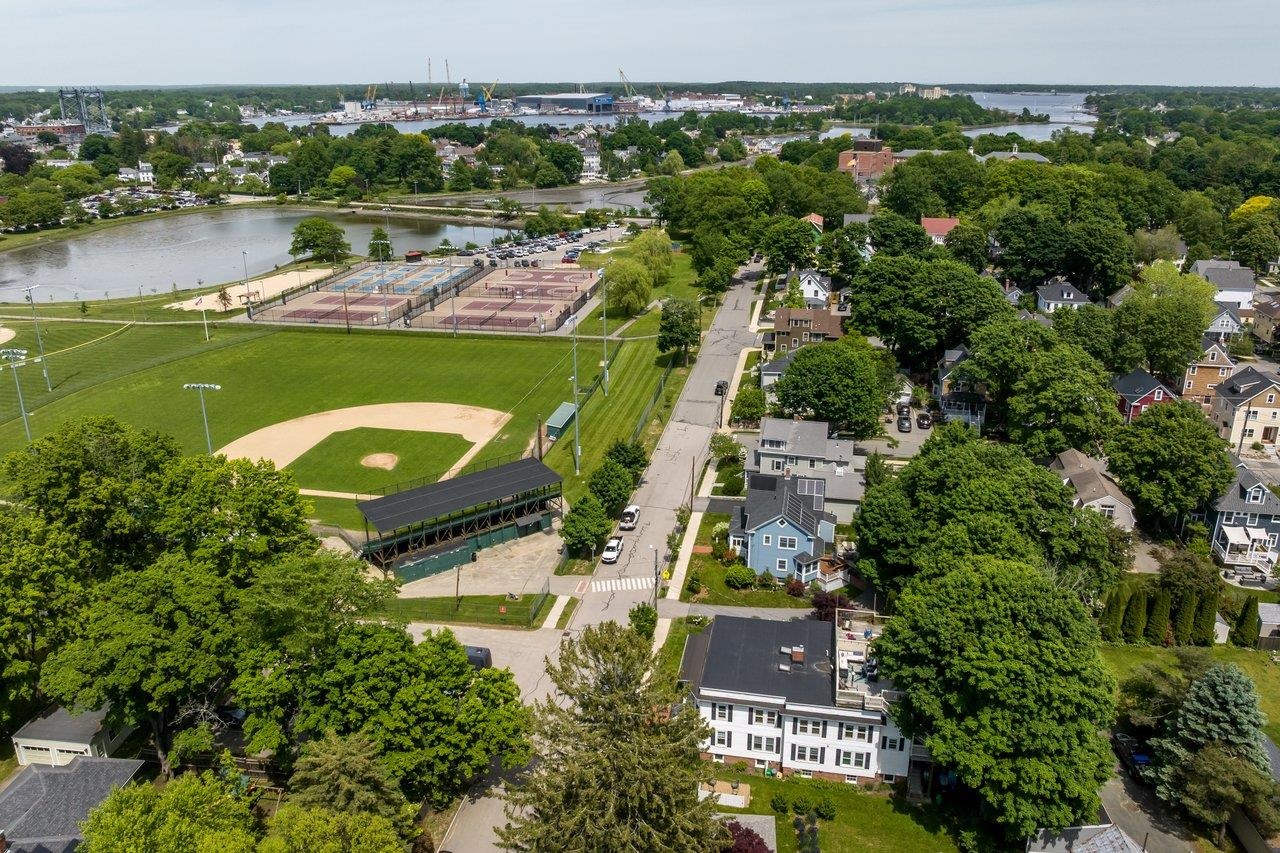
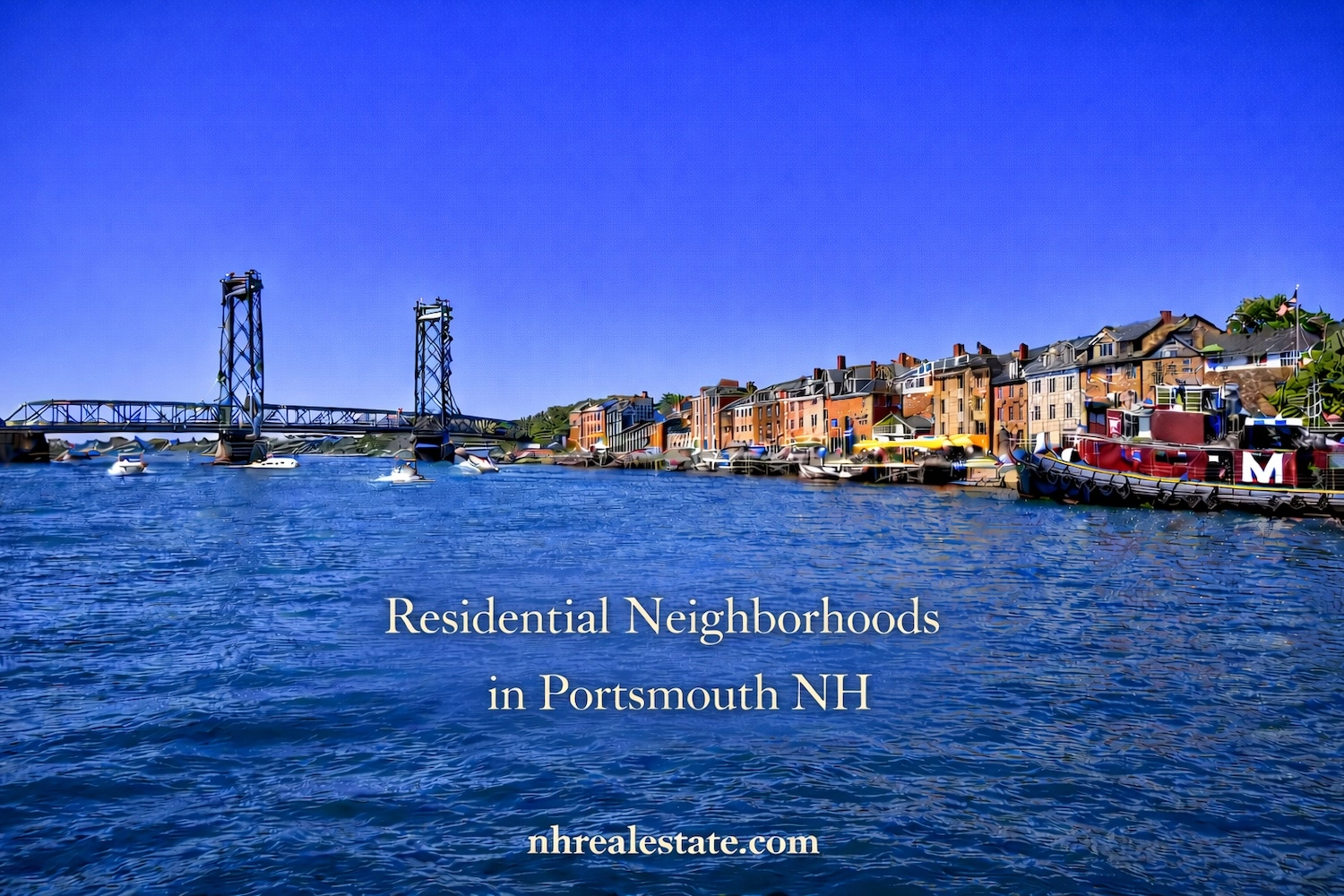
Portsmouth is known for its downtown walkability, historic character, and waterfront allure. But beyond the city center lies another Portsmouth: residential neighborhoods featuring larger lots, single-family homes, established communities, and the kind of stability that creates lasting neighborhood identity. This guide explores Portsmouth's residential neighborhoods—areas where people have chosen to build their lives, raise households, and invest in homes as enduring anchors rather than lifestyle statements.
Residential neighborhoods share distinct characteristics:
These characteristics appeal to buyers seeking stability, outdoor space, and community roots—opposed to the transient, density-focused appeal of downtown properties.
Middle Road and surrounding suburban areas represent Portsmouth's most spacious residential option. With 498 properties and a median price of $725,000, this neighborhood skews toward larger single-family homes on substantial lots.
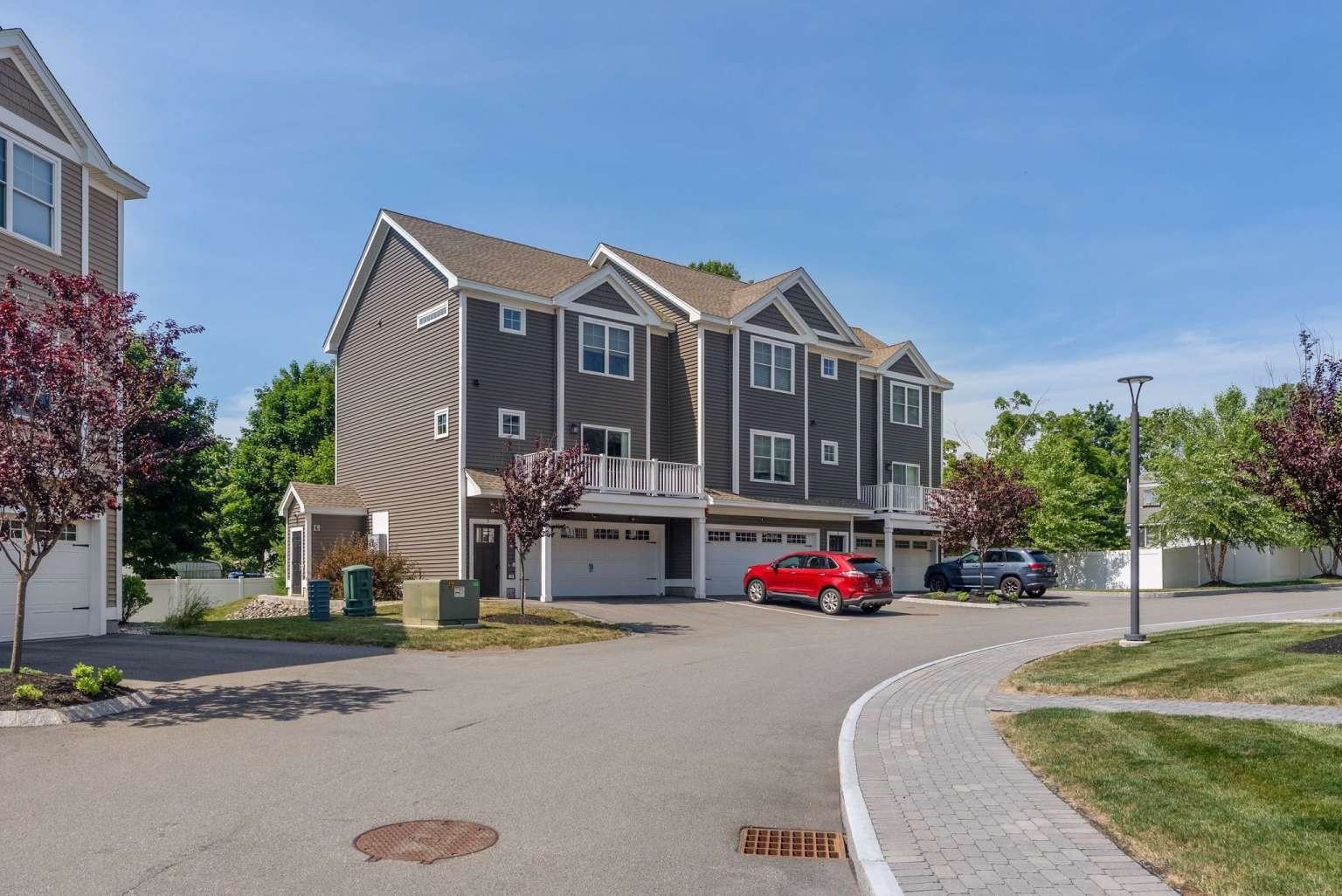
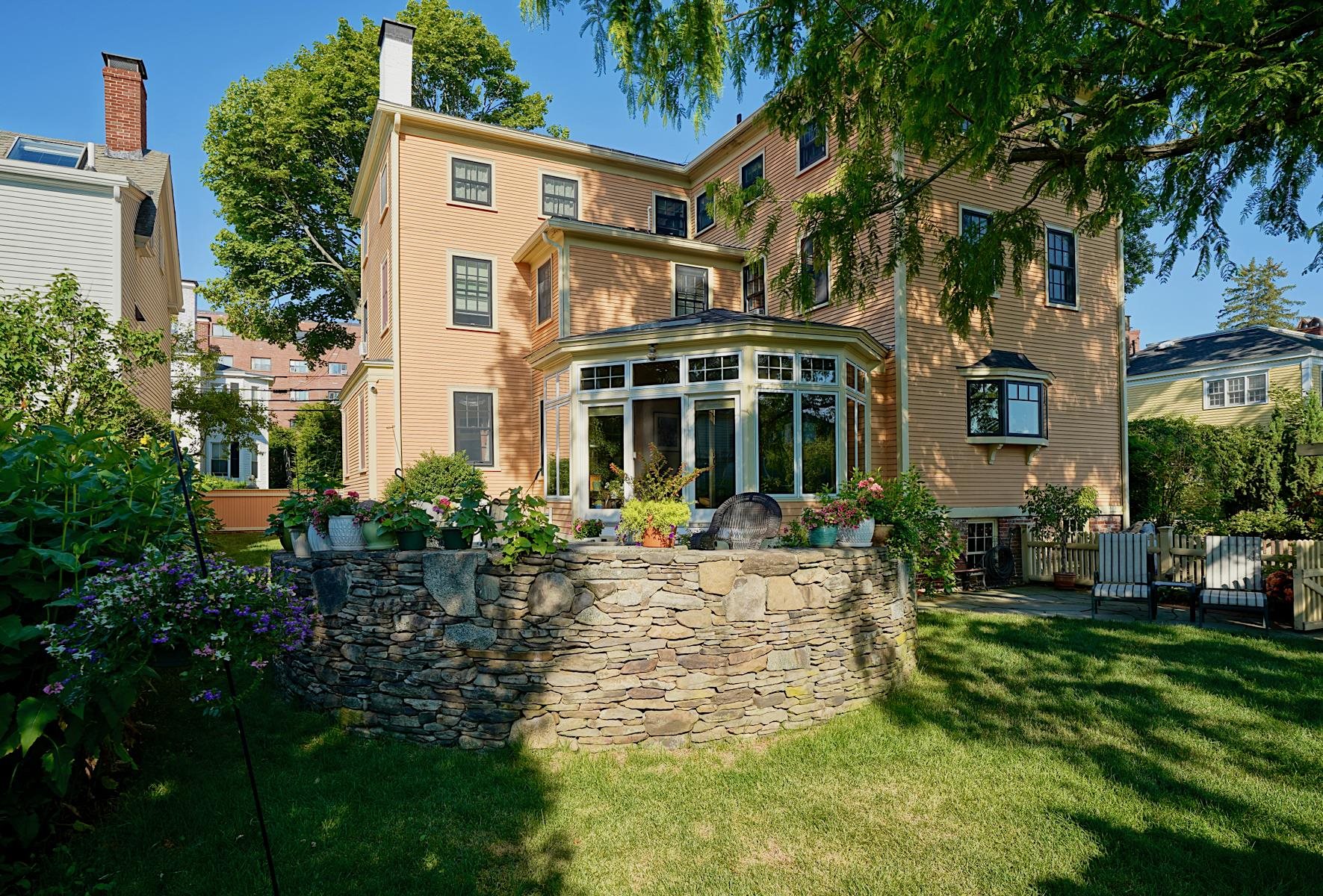
Typical properties: 3-4 bedroom homes, 0.25+ acre lots, built structures of 1,800-2,200 square feet. Many are mid-century colonials or updated ranch homes with improvements that respect original character. Properties often feature garages, driveways, and setbacks from the street—the hallmarks of suburban residential design.
What residents value: Space for gardens, outdoor recreation areas, parking that doesn't involve street hunting, quiet mornings without downtown foot traffic. The tradeoff: less walkability to restaurants and shops compared to downtown. You're dependent on cars for commercial activities. But you gain genuine residential solitude.
The price point—$725,000 median—positions Middle Road as mid-range within Portsmouth. It's below waterfront pricing but above entry-level neighborhoods, appealing to buyers seeking suburban comfort within reasonable budget constraints.
Elwyn Park distinguishes itself through character and community definition. With 410 properties and a median of $712,000, this neighborhood is anchored by Dondero School—a critical community institution. The neighborhood's 20 "presidential streets" (named after U.S. presidents) create a memorable identity and provide natural wayfinding.
What makes Elwyn Park special: The neighborhood isn't accidental or organic sprawl—it was designed. The presidential street naming creates deliberate identity. Proximity to Dondero School means the neighborhood has built-in gathering places and shared institutional purpose. Properties tend toward consistency: similar-era construction, maintained landscaping, and property stewardship.
The Dondero School connection is significant. While we don't rank schools or make assumptions about educational preferences, it's factual that proximity to schools shapes neighborhood character. Buyers often choose neighborhoods based on school location, creating communities united by shared institutional interest.
Price point: At $712,000 median, Elwyn Park is slightly below Middle Road. This makes it appealing for buyers seeking residential space and character within tighter budgets. The neighborhood offers solid value in Portsmouth's residential offerings.
North End and Maplewood neighborhoods comprise 520 properties with a median price of $840,000. This puts them slightly above the overall Portsmouth median, but they're substantially more residential than downtown or waterfront areas.
Character: These are among Portsmouth's most established neighborhoods, with homes dating to various eras. You'll find updated Victorians, classic colonials, and mid-century ranch homes alongside newer construction. The architectural diversity reflects generations of Portsmouth residents building homes and improving them over decades.
What residents appreciate: These neighborhoods feel like "real Portsmouth"—not downtown trendy, not waterfront exclusive, but authentically local. Neighbors often have deep roots. The areas are close enough to downtown amenities without the downtown bustle. North End in particular has neighborhood character and identity that rivals the more famous downtown.
The price premium relative to Middle Road and Elwyn Park ($840K vs. $725K/$712K) reflects desirability and established character. These neighborhoods command respect in Portsmouth's market—you're not just buying a house, you're buying into a neighborhood's accumulated identity.
South and Ocean Road neighborhoods comprise 956 properties—by far Portsmouth's largest neighborhood cluster—with a median price of $743,000. This sheer size creates diversity: you'll find everything from modest cottages to substantial homes, from water-proximate properties to more inland locations.
What this size means: South/Ocean Road isn't a single neighborhood in the traditional sense—it's a collection of micro-neighborhoods bound together by location on Portsmouth's southern boundary. This diversity can be advantageous. You're more likely to find properties and price points aligned with your preferences within such a large neighborhood.
Character diversity: Some sections of South Road feel suburban and quiet. Others are more village-like with commercial mixed in. Ocean Road areas often have water proximity or views. This diversity means the neighborhood isn't monolithic—you could spend weeks exploring different sections and find completely different feels.
The $743,000 median price is remarkably reasonable for Portsmouth, particularly given that many properties in this neighborhood have water access or views. Buyers often find value here: more space and character than downtown for comparable or lower prices than smaller, more exclusive neighborhoods.
Across Portsmouth's residential neighborhoods, single-family homes share consistent characteristics:
Portsmouth is home to a public school system serving students from kindergarten through high school. The system includes multiple elementary schools, a middle school, and Portsmouth High School. School locations significantly influence neighborhood development and character.
We don't rank schools or make assumptions about educational preferences—these are intensely personal decisions. But it's factual that schools function as community anchors, that proximity to schools matters to many buyers, and that neighborhoods often develop around school locations. If school proximity is important to your decision, research current school locations and district assignments relevant to properties you're considering.
An important statistic: 58% of Portsmouth properties are owner-occupied (not rental or investment). In residential neighborhoods, this percentage is typically higher—sometimes 65-75% owner-occupied.
This matters because owner-occupied neighborhoods tend toward stability. Homeowners invest long-term—they maintain properties, participate in neighborhoods, and develop roots. Neighborhoods with high rental concentrations often experience higher turnover and less invested community stewardship.
If community stability and long-term neighborhood character matter to you, residential neighborhoods with higher owner-occupancy rates naturally deliver that.
Choosing among Portsmouth's residential neighborhoods depends on your priorities:
Middle Road/Suburban if you want maximum space and the most clearly suburban character. Best for: buyers seeking distance from downtown, maximum lot size, least urban feel.
Elwyn Park if neighborhood character and defined community identity appeal to you. The presidential streets and Dondero School location create meaningful neighborhood distinctiveness. Best for: buyers seeking character neighborhoods with identity.
Maplewood/North End if you want established neighborhoods with genuine history and authentic Portsmouth character. These neighborhoods have personality and roots. Best for: buyers drawn to established communities with deep character.
South/Ocean Road if you want maximum diversity and the chance to find value. The sheer size means more options, more price points, and potentially water access at reasonable prices. Best for: buyers seeking flexibility, value, and diverse neighborhood experiences within one geographic area.
Portsmouth's residential neighborhoods represent the city's foundation. While downtown gets the attention and waterfront gets the prestige, residential neighborhoods are where Portsmouth's authentic community life happens. These are neighborhoods where people have chosen stability over transience, community over isolation, and home ownership over casual housing.
If you're seeking a place to build long-term stability, invest in a home as an enduring anchor, and become part of an established community, Portsmouth's residential neighborhoods offer genuine appeal. They're not exotic or trendy—they're solid, authentic, and deeply rooted. For many buyers, that's exactly the Portsmouth experience they're seeking.
Equal Housing Opportunity
The Bean Group and nhrealestate.com are committed to fair housing practices and equal opportunity in housing. All properties are offered without regard to race, color, religion, sex, national origin, disability, familial status, age, marital status, sexual orientation, or gender identity.
Pursuant to federal fair housing laws (Fair Housing Act, Civil Rights Act) and the New Hampshire Fair Housing Law (RSA 354-A), no property is withheld from any applicant based on protected class status. All persons have equal access to property listings, financing, and assistance services.
If you believe you have experienced housing discrimination, please contact the New Hampshire Commission for Human Rights (603-271-2767) or the U.S. Department of Housing and Urban Development (1-800-669-9777).