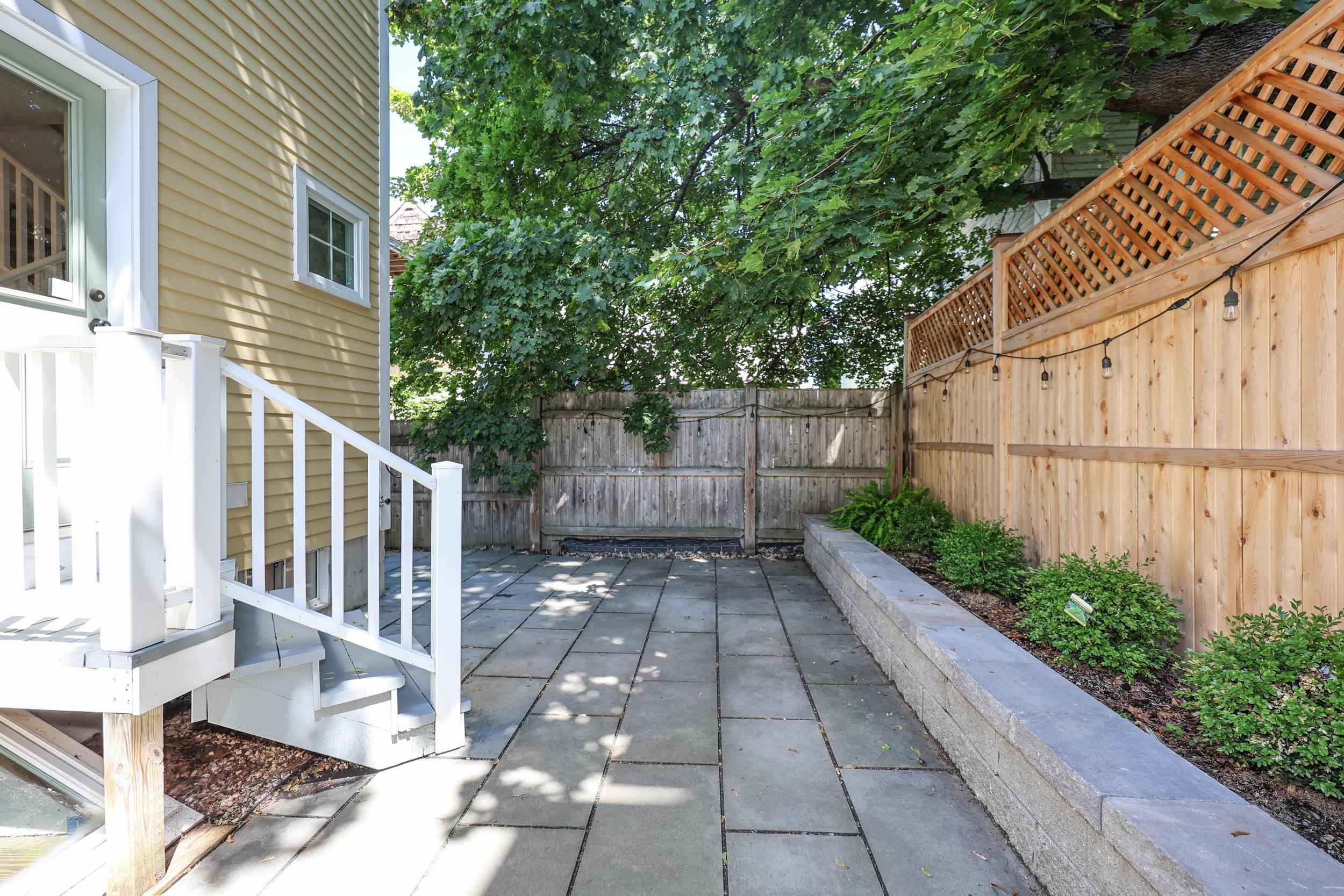
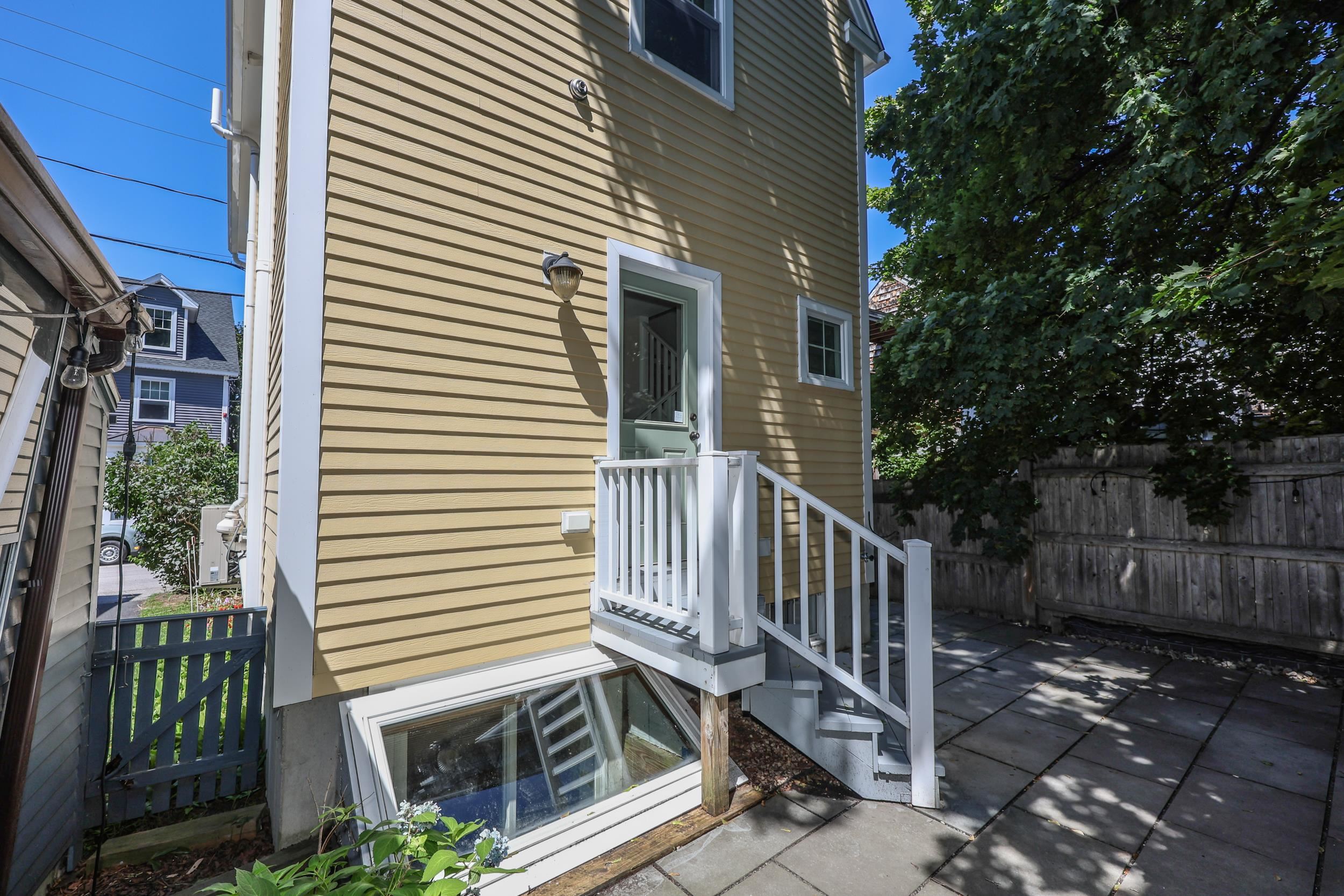
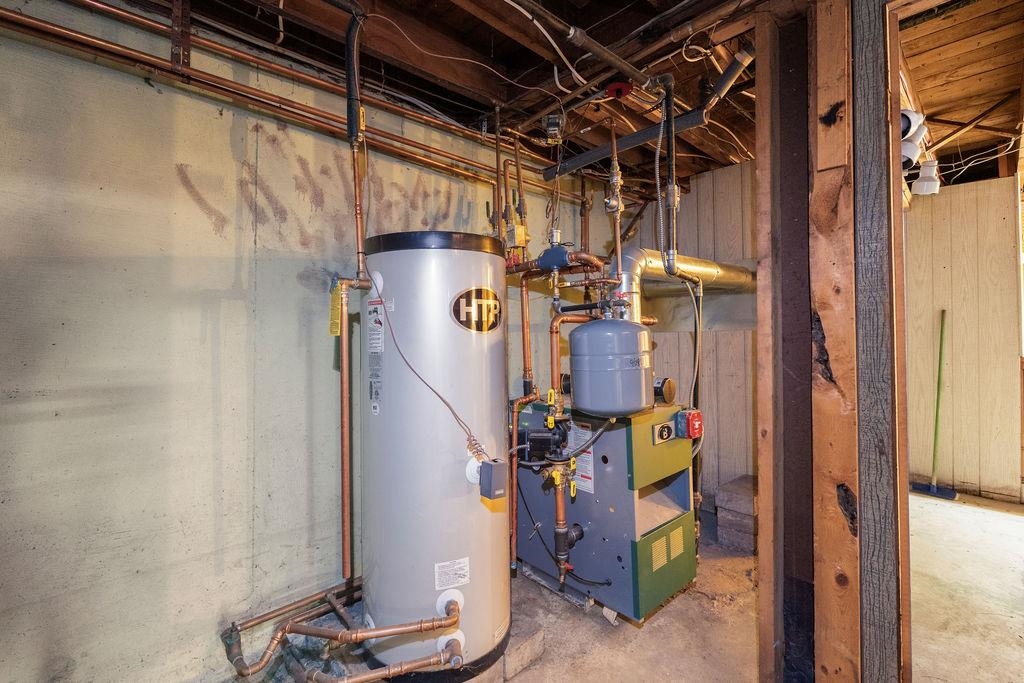
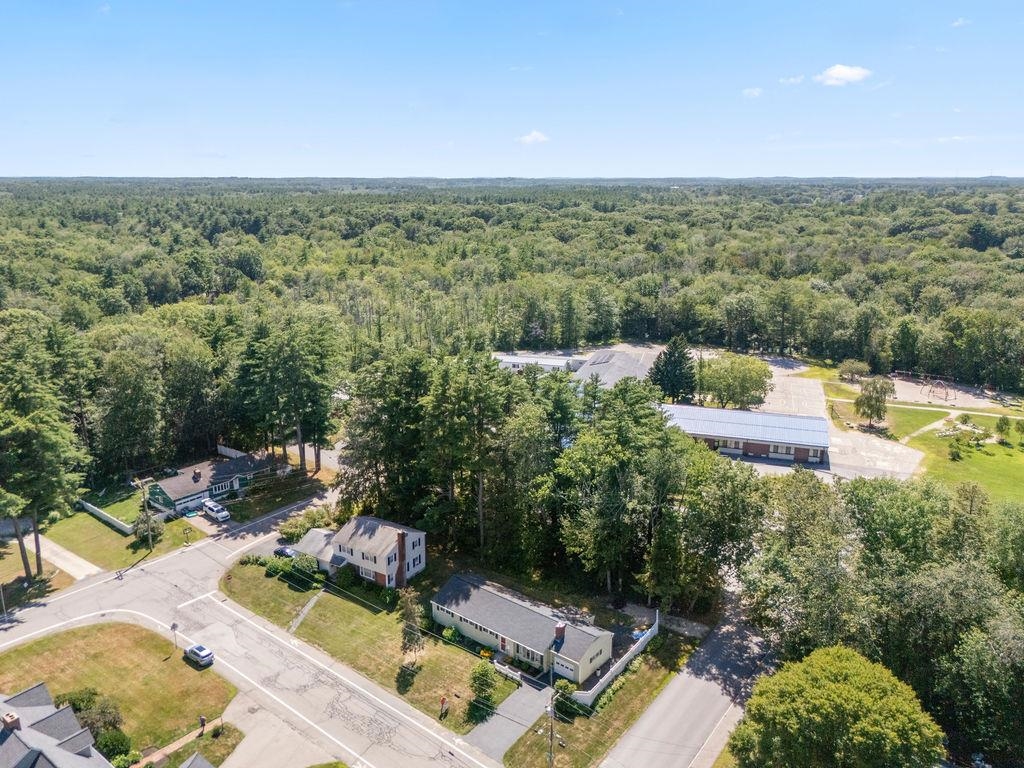
Open: Sat 11:00 AM - 1:00 PM




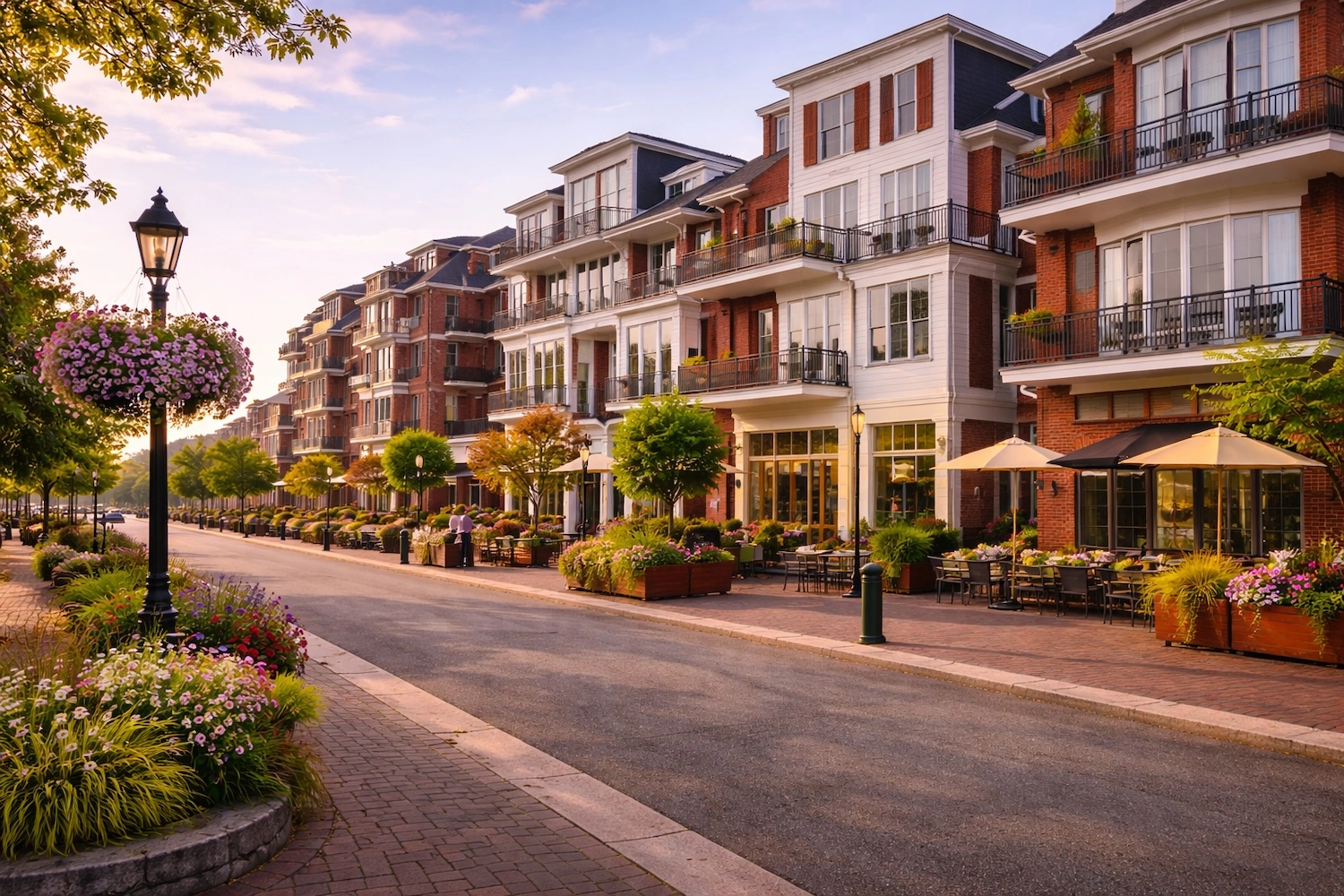
Portsmouth, New Hampshire stands out as one of New England’s most sought-after coastal cities, blending 350 years of maritime heritage with contemporary urban vitality. Over the past decade, the city’s renaissance has sparked a remarkable boom in condominium living. Restored mill buildings with exposed brick and timber beams, energy-efficient mid-rise towers with rooftop amenities, and elegant townhouse-style condos nestled along tree-lined streets offer options for nearly every buyer profile. Today’s condo market reflects a compelling combination of walkability, cultural amenities, waterfront access, and strong appreciation potential that continues to draw buyers from across the Northeast.
For buyers considering a Portsmouth condo purchase, understanding the market landscape—from neighborhood-specific pricing to homeowners association structures to long-term investment dynamics—is essential. This comprehensive guide breaks down everything you need to know to make an informed decision in one of New Hampshire’s most dynamic real estate markets.
The Portsmouth condo market has experienced significant growth and appreciation over the past year. As of February 2026, the median listing price for condos in Portsmouth stands at approximately $802,000, with 43 condos currently on the market. This represents a premium compared to the New Hampshire state median of $535,000 for homes generally, reflecting Portsmouth’s status as a desirable coastal destination.
Market momentum has been strong. In May 2025, the median sales price reached $1,200,000, representing a substantial 38.7% year-over-year increase from May 2024’s $865,000. More recently, December 2025 data showed prices up 4.2% year-over-year, with the median price settling at $875,000. Notably, since 2024, there have been 75 condominium sales exceeding $1 million, with a median price point for these luxury units at $1,435,000.
Market conditions have shifted modestly from the peak frenzy of 2024-2025. Homes now sell in an average of 59 days on the market, compared to 49 days in the prior year. However, inventory has tightened slightly, with only a 3% increase in available listings. These conditions maintain a seller-favorable market while offering slightly more breathing room for buyers to conduct thorough due diligence.
Looking ahead to 2026, New Hampshire’s housing market is positioned for gradual stabilization. Modest growth is expected as mortgage rates ease and inventory conditions improve, though seller advantages are likely to persist in desirable markets like Portsmouth.
Portsmouth’s distinct neighborhoods each offer unique character, amenities, and price points. Understanding these micro-markets is crucial for identifying the right fit for your lifestyle and investment goals.
Downtown Portsmouth is the city’s heart, with a Walk Score of 87 (Very Walkable) and centuries-old cobblestone streets lined with brick facades, boutique shops, galleries, and award-winning restaurants. The entire downtown core comprises the Portsmouth Historic District, featuring five National Historic Landmarks and more than 1,200 historically significant buildings dating to the 17th century.
Loft-style condos dominate downtown, carved from restored warehouses and historic mill buildings. These units feature open layouts with exposed brick walls, timber beams, hardwood floors, and oversized windows that capture industrial-era character. Most downtown condos are one- or two-bedroom units. Pricing typically ranges from the mid-$400,000s for smaller one-bedroom lofts to $800,000-plus for larger two-bedroom units with premium water views.
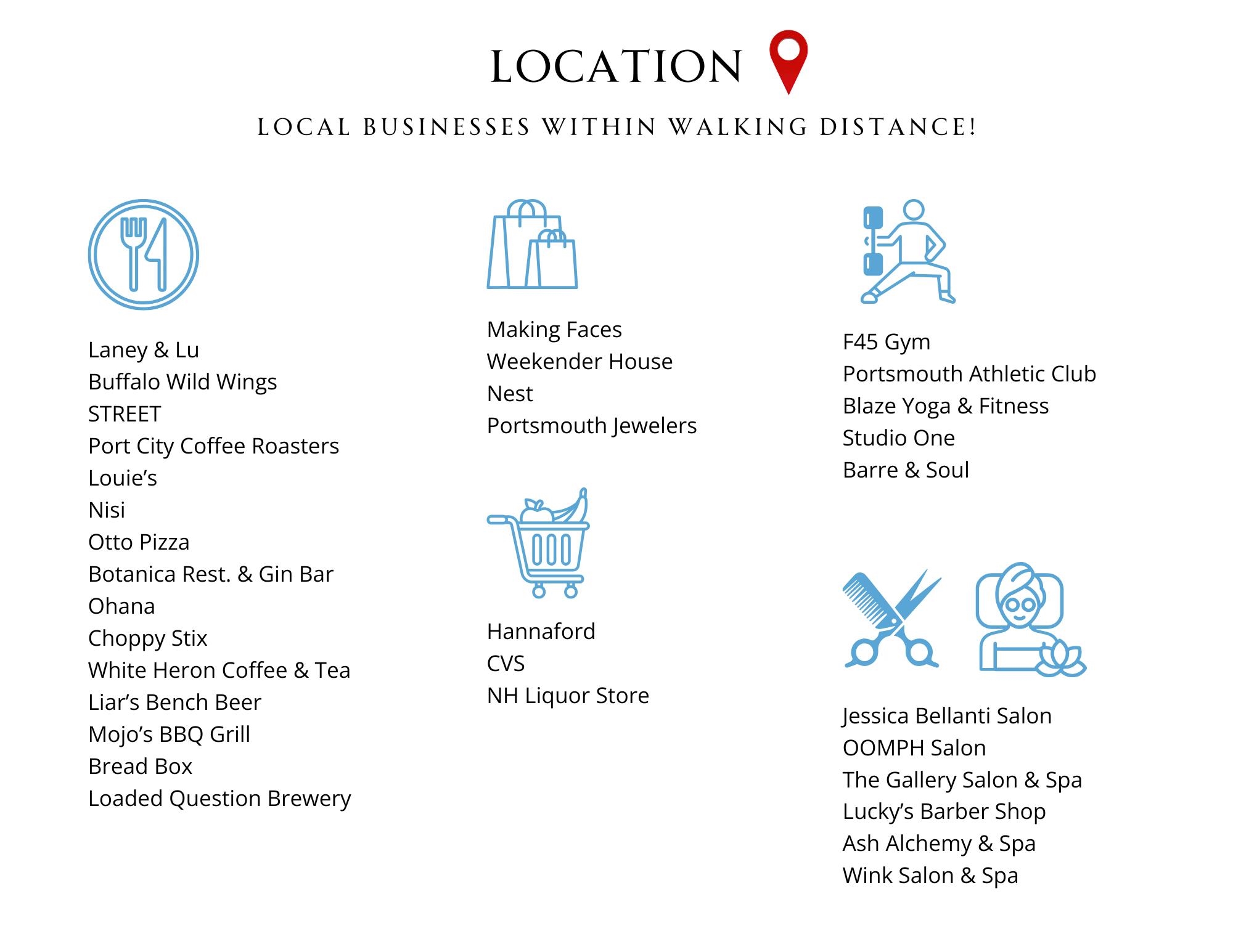
Walkable amenities include the historic Music Hall (live performances), Market Square (weekly farmers market, outdoor concerts, restaurants), Prescott Park (riverfront green space with summer movie series), Seacoast Repertory Theatre, multiple galleries, and hundreds of independent shops and dining options. The downtown is highly pedestrian-friendly, though parking remains a challenge; many residents use leased spaces or city permits.
HOA Considerations: Downtown buildings typically charge $400-$800+ per month in HOA fees, covering building insurance, common area maintenance, snow removal, and sometimes concierge or fitness amenities. Review the reserve fund carefully, as older buildings may face upcoming capital projects.
The North End is undergoing transformation from industrial zone to premium residential district. New steel-and-glass mid-rise buildings and luxury developments define this neighborhood, placing residents within steps of downtown while offering contemporary finishes and elevated amenities.
Notable developments include Sage Portsmouth (95 units under construction, featuring one- and two-bedroom units with premium finishes, concierge, entertainment lounge, fitness center, pet spa, and EV charging); 238 Deer Street (premier 21-unit project with studios and one-bedroom condos in the heart of downtown); The Residence at Foundry Place (51 modern condos with anticipated spring 2025 completion); and 70 Maplewood (luxury condos designed by local architects). These properties are reshaping the neighborhood’s skyline while honoring Portsmouth’s architectural heritage.
North End condos appeal to buyers seeking new construction benefits: elevator access, contemporary finishes, energy-efficient systems, and modern amenities like fitness centers, roof terraces, and secure underground parking. Pricing ranges from $550,000 for one-bedroom units to $1.0+ million for premium two-bedroom and luxury units.
HOA Considerations: New construction buildings typically charge $300-$600 per month, with clearly documented reserve funds and professional management. Financing may be tighter in buildings with higher investor ratios; owner-occupied buildings are preferred by lenders.
Once industrial, the West End has evolved into Portsmouth’s trendiest neighborhood, dubbed the “most Brooklyn neighborhood” in New Hampshire. This district is filled with craft breweries, specialty coffee roasters, artist studios, and upscale restaurants alongside a thriving cultural scene.
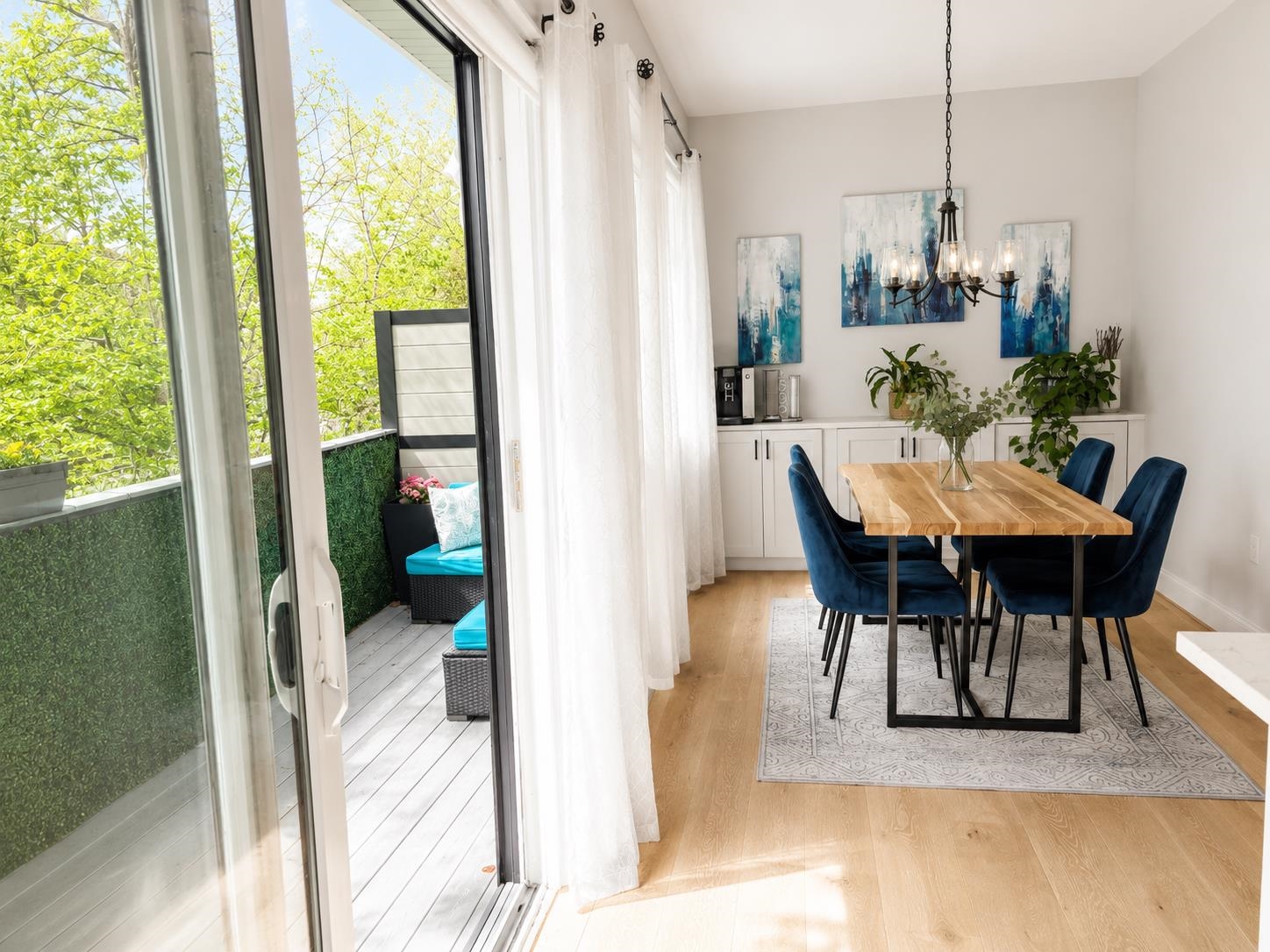
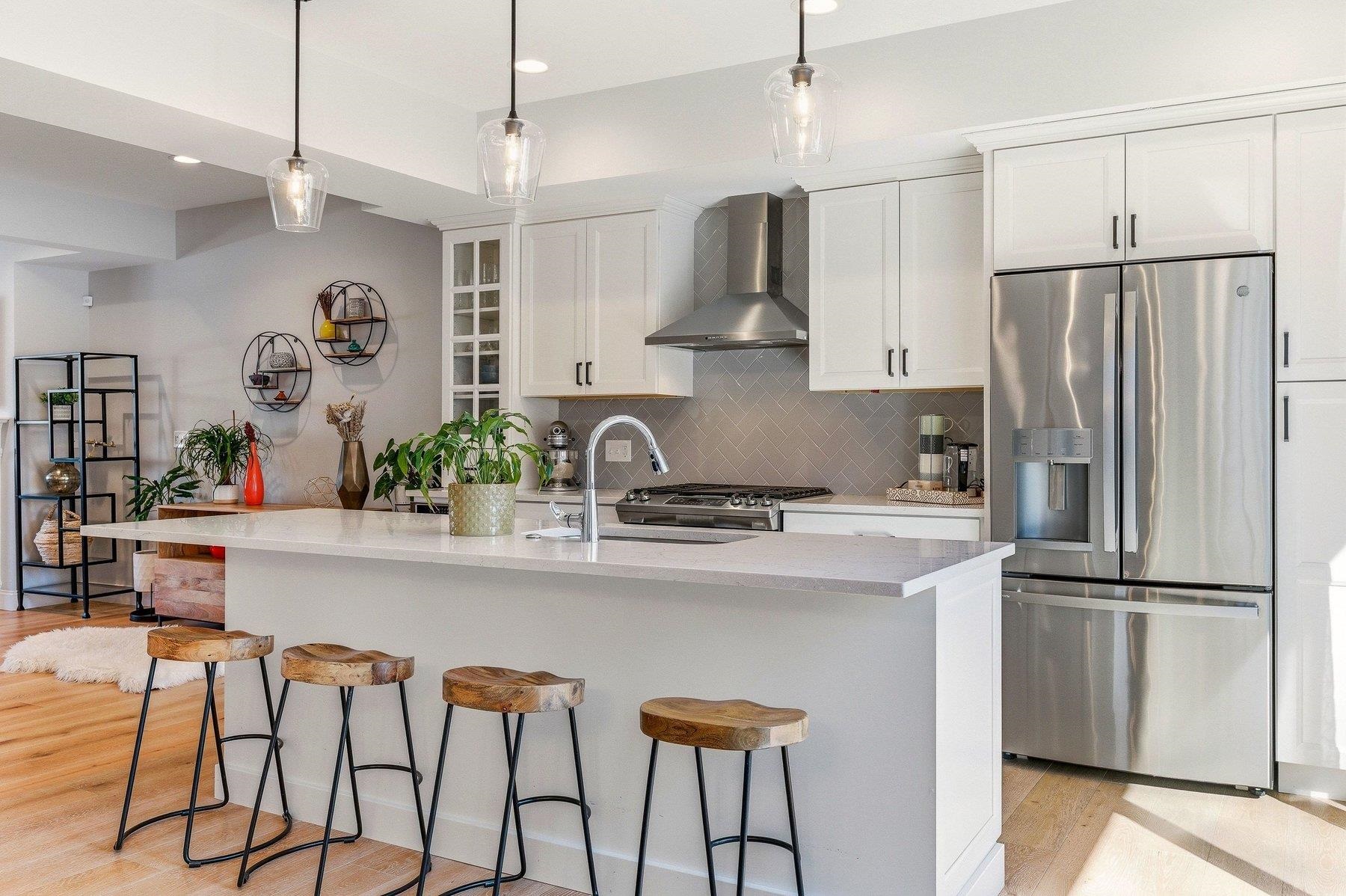
West End condos are typically newly constructed or substantially renovated townhouse-style units and mid-rise buildings offering more space than downtown lofts. Many units feature private entrances, attached garages, small yards or patios, and contemporary open-plan interiors. The neighborhood provides a sweet spot: more space than downtown but greater walkability than residential suburbs.
Pricing ranges from $475,000-$700,000 for townhouse-style units to $750,000-$950,000 for premium mid-rise units. Many residents appreciate the generous parking availability compared to downtown, as well as shared courtyards and rooftop decks for outdoor living.
Amenities include easy access to downtown restaurants and cultural venues (less than a half-mile walk), breweries like Smuttynose and Harpoon, coffee shops, galleries, and fitness studios. The neighborhood is rapidly evolving with new mixed-use developments that blend residential, retail, and office space.
HOA Considerations: West End HOA fees typically range from $250-$500 per month, depending on amenities. Newer buildings often have stronger reserve funds and clear capital plans. Some complexes have restrictions on short-term rentals, so clarify policies if you plan to generate income.
South of Market Street, the South End presents classic New England character with smaller condo complexes woven among charming single-family homes. This neighborhood is less densely developed than downtown or the North End, offering a more residential feel while maintaining walkability to downtown and waterfront amenities.
Many South End condos feature architectural details reflecting the area’s heritage: period windows, brick facades, and neighborhood integration. Water views of the Piscataqua River are common, and the area provides easy commuting access via Route 1. Family-friendly schools, including Little Harbour School, serve the neighborhood.
Pricing ranges from $550,000 for modest one-bedroom condos to $850,000-$1.1 million for larger units with premium river views and garage parking. South End condos tend to appreciate steadily, particularly those with direct water views or historic character.
Walkable amenities include the downtown core (10-15 minute walk), Route 1 for regional commuting, grocery stores, coffee shops, and waterfront parks. Residents appreciate the quieter neighborhood feel compared to downtown while retaining easy access to urban services.
HOA Considerations: South End HOA fees typically range from $300-$600 per month. Smaller complexes may have smaller reserve funds, so review financial documentation carefully before purchasing.
Elwyn Park represents one of Portsmouth’s most sought-after residential neighborhoods, characterized by tree-lined streets and period homes. While traditionally dominated by single-family properties, selective condo conversions and townhouse developments are emerging here. These properties attract downsizers and empty-nesters seeking slightly quieter neighborhoods while maintaining walkability to downtown and local amenities.
Pricing typically ranges from $600,000-$900,000 depending on size and finishes. New Castle Island, located just offshore, offers ultra-premium waterfront living with private docks and resort-style amenities; these properties command $1.2 million and up.
Portsmouth’s diverse condo inventory reflects multiple development eras and architectural philosophies:
Portsmouth condo HOA fees vary significantly based on building age, amenities, location, and management efficiency. Typical HOA fees range from $200-$1,000 monthly. Understanding fee structures and what they cover is essential for accurate affordability calculations.
What HOA Fees Typically Cover:
Premium Amenities (May Increase Fees): Fitness centers, rooftop gardens, concierge services, yoga studios, package management systems, controlled-entry lobbies, and EV charging stations can add $75-$300+ monthly.
Critical Financial Review: Before purchasing, obtain and thoroughly review the HOA budget, reserve study, meeting minutes (last 2-3 years), and disclosure documents. Ask these questions:
A well-managed building with strong reserves and transparent governance protects your investment and ensures long-term stability.
Portsmouth boasts one of New England’s highest Walk Scores. With a rating of 87 out of 100, the city is classified as “Very Walkable,” meaning most errands and daily activities can be accomplished on foot. This walkability isn’t accidental; the city has implemented comprehensive Complete Streets policies, extensive pedestrian infrastructure, and a commitment to bicycle access that rivals much larger communities.
Pedestrian-Friendly Features:
Cultural & Entertainment Amenities: Portsmouth punches well above its weight with a year-round cultural calendar including theater performances at Seacoast Repertory Theatre, live music at The Music Hall, summer movie series at Prescott Park, gallery openings, farmers markets, and prestigious dining. The city has become a regional dining destination, with restaurants like The Kitchen and Cure & Co. drawing visitors from across New England.
Outdoor Recreation: Despite its urban character, Portsmouth offers abundant outdoor access. Prescott Park provides waterfront green space and summer movie evenings. The Piscataqua River and Atlantic beaches are minutes away. Walking trails, kayaking, and boating appeal to water-oriented residents.
Proximity and Connectivity: Portsmouth’s location on the New Hampshire seacoast offers quick access to Boston (90 minutes via I-95), Portland, Maine (1.5 hours), and the mountains of New Hampshire and Vermont. This makes Portsmouth attractive to remote workers and those seeking a manageable commute to major employment centers.
One of the most practical concerns for condo buyers, especially in urban neighborhoods, is parking availability and storage space.
Downtown: Limited on-site parking is typical. Many downtown lofts offer zero to one designated space; additional spots require monthly lease arrangements ($100-$200) or city permits. Some residents successfully use nearby municipal lots or permit programs. Storage is often constrained in converted lofts; built-in shelving and creative solutions help maximize limited square footage.
North and West Ends: Newer buildings typically include one dedicated space per unit plus visitor parking and additional paid options. Climate-controlled or underground garages are common in newer construction, protecting vehicles from harsh New England winters and salt spray.
South End & Suburban Neighborhoods: Townhouse-style condos almost always include attached garages; mid-rise buildings typically provide one or more spaces per unit.
Storage Solutions: Evaluate storage carefully. Does the unit have a basement, attic, or climate-controlled storage room? Some buildings offer additional rental storage for $25-$75 monthly. Smaller downtown lofts may require minimalist living or off-site storage solutions.
As a coastal city, Portsmouth has areas within federal flood zones. This affects insurance requirements, loan availability, and long-term climate resilience considerations.
Flood Zone Classifications: Ask your agent or inspector about the specific property’s flood zone status (AE, X, or outside SFHA). Properties in flood zones require federal flood insurance if financed, adding $500-$2,000+ annually to carrying costs depending on elevation and risk assessment.
Elevation Certificates: For coastal properties, an elevation certificate determines flood insurance requirements and rates. Buildings constructed with proper elevation and flood mitigation measures face lower premiums.
Long-Term Resilience: Rising sea levels and increased coastal flooding pose gradual risks to Portsmouth waterfront properties. New construction and major renovations increasingly incorporate climate-resilient design: elevated mechanical systems, backup power, permeable pavements, and green infrastructure. Ask about building elevation relative to the current 100-year flood elevation and any climate adaptation measures.
Portsmouth condos attract investor interest for both long-term appreciation and rental income potential. The city’s combination of tourism, affluent demographics, and limited housing supply supports favorable investor economics.
Rental Income Potential: Short-term rental (STR) units in Portsmouth command significant premiums. Average short-term rental income reaches approximately $7,073 monthly, reflecting strong visitor demand for vacation properties. Properties listed on platforms like Airbnb attract cultural tourists, wedding guests, and business visitors willing to pay premium nightly rates.
Long-Term Rental Opportunity: The city’s lack of affordable housing creates robust demand for moderately-priced rentals, with monthly rents ranging from $2,000-$3,500+ for one-two bedroom condos. This supply-demand imbalance supports annual rent growth of 3-5%+.
Cash-on-Cash Return & Cap Rates: Portsmouth’s average cash-on-cash return has reached approximately 2.0%, indicating solid grounding for investment ventures, though subject to variation based on specific property, financing, and management efficiency. Investor-friendly neighborhoods include Downtown (tourism potential), North End (new construction with strong rents), and South End (larger units appealing to families and groups).
Operating Costs: Expect rental property operating costs to consume 20-30% of gross rental income in New Hampshire. This includes property management (8-12%), maintenance reserves, property taxes, insurance, HOA fees, and vacancy allowances. New Hampshire’s lack of state income tax is advantageous for rental property owners, reducing overall tax burden on rental income.
Investor Financing Considerations: Lenders typically require:
Buyer Profile Example: An investor purchasing a $600,000 North End one-bedroom with market rent of $2,200-$2,400 monthly could expect approximately $26,400-$28,800 annual gross rental income. After 25% operating costs ($6,600-$7,200), the property generates $20,200-$21,600 net rental income. At a 4.5% mortgage rate on a $480,000 loan (with 20% down), annual debt service approximates $24,000-$26,000, yielding a tight but positive cash position in year one. However, property appreciation over 5-10 years and tax benefits (depreciation deductions) create attractive long-term wealth-building potential.
Step 1: Financial Readiness – Meet with a lender experienced in condo financing. Condo lending has specific requirements including HOA documentation review and minimum reserve fund percentages. Factor HOA fees into your affordability calculation; a $750,000 condo with $600 monthly HOA fees costs approximately $7,200 annually in addition to mortgage, property taxes, and insurance. Many buyers underestimate total monthly carrying costs when overlooking HOA expenses.
Step 2: Define Priorities – List non-negotiable criteria: neighborhood, square footage, parking availability, outdoor space, pet policies, and amenities. This focuses your search on properties likely to satisfy your lifestyle needs.
Step 3: Tour Buildings and Meet Communities – Visit multiple buildings at different times of day. Observe common areas (are hallways clean and well-maintained?), building lobbies, parking areas, and amenity spaces. Attempt brief conversations with residents if possible; their candor about building operations and management is invaluable. If feasible, attend a condo association meeting or request attendance before committing.
Step 4: Analyze Comparables and Make Your Offer – Work with your agent to research recent comparable sales (condos of similar size, location, and condition sold in the past 90 days). In competitive markets, offers may include escalation clauses, flexible closing dates, or requests for seller concessions toward HOA fees or closing costs. Avoid bidding significantly above comparables; condo values are more predictable than single-family homes and shouldn’t justify extreme premiums.
Step 5: Professional Inspections & HOA Document Review – Hire a home inspector familiar with condominium structures. Condo inspections differ from single-family homes; inspectors focus on unit-specific systems but also assess common area conditions and building envelope integrity. Simultaneously, obtain and review all HOA documents: budgets, reserve studies, meeting minutes, CC&Rs (Covenants, Conditions & Restrictions), bylaws, and disclosure documents. This is non-negotiable; HOA documents reveal upcoming capital projects, financial health, and operational rules that could impact your experience and resale value.
Step 6: Appraisal and Final Underwriting – The lender orders an appraisal. Condos in buildings with high investor ratios, weak reserves, or pending special assessments sometimes fail to appraise at the contracted price, requiring renegotiation. Ensure your purchase agreement includes adequate contingencies for inspection, appraisal, and financing.
Step 7: Closing & Transition – Coordinate with your lender, title company, and agent on closing logistics. Obtain a final walk-through, verify seller compliance with agreed-upon repairs, and confirm all keys, remotes, and documentation are transferred. Introduce yourself to building management and neighbors.
Price Leverage: In a balanced market, price is your primary lever. However, other concessions matter: HOA fee contributions from sellers, inclusion of furnishings or appliances, seller-paid inspection credits, or title company fee coverage can add real value when direct price reductions aren’t possible.
Condo Board Approval: Some buildings require condo board interviews or approval of new buyers, particularly in age-restricted communities or those with rental restrictions. Respect this process; boards protect community character and financial stability. Answer questions honestly and demonstrate respect for building rules and fellow residents.
Rental Restrictions: If you anticipate renting the unit, verify HOA policies. Some buildings prohibit short-term rentals entirely; others limit the number of rental units or require owner approval. This dramatically impacts investment potential; understand restrictions before committing.
Investor Investor-Occupied Buildings: Buildings with high percentages of investor-owned units sometimes face financing challenges; lenders worry about insufficient owner engagement and maintenance. If financing an investment property, select buildings where owners occupy 70%+ of units and reserves are robust.
Urban Professional Downsizing from Suburbs: Sarah, a tech consultant relocating from Boston, purchased a $475,000 loft in a converted brewery in the West End. She negotiated a leased parking space two blocks away and customized built-in shelving to maximize storage in the 950-square-foot open layout. Monthly HOA fees of $425 cover building maintenance, insurance, and trash; her total carrying costs (mortgage, property tax, insurance, HOA) approximate $3,800 monthly. She values the ability to walk to restaurants, breweries, and galleries; parking has been manageable with the negotiated lease.
Empty-Nesters Seeking Community & Ease: Michael and Patricia, long-time residents of a suburban home, selected a $725,000 South End condo with river views, two bedrooms, and secure garage parking. The building’s HOA ($550 monthly) includes snow removal and landscaping, eliminating home maintenance tasks. They spend weekends exploring Portsmouth’s restaurants, taking waterfront walks, and attending theater performances. Property appreciation since purchase has exceeded 8%, and they report excellent decision-making in downsizing.
Investor Building a Rental Portfolio: James, an experienced real estate investor, purchased a $650,000 North End two-bedroom condo with market rent of $2,500 monthly. He financed 80% of the purchase, putting $130,000 down. After accounting for $1,800 annual property taxes, $400 monthly HOA fees ($4,800 annually), $500 annual property insurance, $200 monthly maintenance reserve, and 10% vacancy allowance, his net operating income approximates $18,000 annually. His mortgage payment ($3,100 monthly or $37,200 annually) creates negative cash flow in year one, but he anticipates property appreciation of 3-5% annually, tax benefits from depreciation, and improving cash flow as rents increase. The strategy represents a long-term wealth-building approach rather than immediate cash return.
Portsmouth continues to evolve with significant development activity shaping the city’s residential landscape. Sage Portsmouth (95-unit new condominium project converting the historic cinema at Portsmouth Green into four stories of one- and two-bedroom units with premium amenities) and the Portsmouth Green apartments (360-unit rental development spread across 17 buildings) represent transformational projects. These additions will increase overall housing supply but likely maintain pricing pressure given robust regional demand for coastal living.
HB 631, New Hampshire’s mixed-use development law, encourages downtown infill and revitalization. Portsmouth is using this legislation to facilitate additional development in the North End and West End, balancing new construction with preservation of historic character. This suggests continued price support and neighborhood evolution toward denser, more walkable development.
Looking ahead, Portsmouth’s limited supply of buildable downtown land, strong regional demand, and appeal as a remote work destination position condos for continued appreciation, though growth may moderate from 2024-2025’s exceptional pace as inventory normalizes and mortgage rates stabilize.
Appreciation-Friendly Features: When evaluating specific units, prioritize characteristics associated with faster appreciation:
Renovation & Customization: Before undertaking renovations, review HOA rules; some buildings require approval for interior changes. Strategic upgrades (kitchen, bathroom, lighting, paint) typically yield 50-70% return, though in Portsmouth’s appreciating market, even modest improvements contribute to value growth. Avoid idiosyncratic personal touches that may not appeal to future buyers.
Portsmouth’s condominium market offers compelling opportunities for first-time buyers, downsizers, remote workers, and investors seeking a distinctive blend of history, walkability, cultural vitality, and coastal access. With median prices around $875,000 and a range of neighborhoods offering distinct character, there is a Portsmouth condo suited to virtually every buyer profile and budget.
Success in this market requires diligent research: understand your neighborhood options, evaluate HOA financials with the seriousness of corporate due diligence, work with knowledgeable local professionals, and think long-term about your lifestyle and investment objectives. Portsmouth’s combination of limited supply, strong regional demand, and appreciating fundamentals suggests that today’s purchase will remain a wise long-term investment.
Whether you envision yourself sipping morning coffee overlooking the Piscataqua River from a South End waterfront condo, walking to dinner and live music in Downtown, or enjoying the vibrant arts scene in the West End, Portsmouth offers a unique New England living experience with strong financial merit.
The Portsmouth condo market moves quickly, and the right property may not wait for tomorrow. Bean Group | brokered by eXp Realty specializes in Portsmouth residential real estate and brings deep market knowledge, neighborhood expertise, and connections with local professionals that accelerate your buying journey.
Whether you’re exploring neighborhoods, evaluating specific properties, negotiating with sellers, reviewing HOA documents, or planning a long-term investment strategy, our team is here to guide you through every step. We understand Portsmouth’s unique characteristics, the nuances of condo purchasing, and the financial implications of HOA structures and building selection.
Schedule a consultation with Bean Group today to discuss your Portsmouth condo goals. Let us help you find not just a place to live, but a smart investment in one of New Hampshire’s most vibrant, walkable, and desirable communities. Contact Bean Group | brokered by eXp Realty now to get started on your Portsmouth journey.