Open: Sat 11:00 AM - 1:00 PM




Nashua combines a traditional downtown, Amherst Street retail and service corridors, airport and industrial property, corporate parks, mixed-use buildings and neighborhood-scale multifamily housing. Its proximity to Massachusetts expands the regional customer and employment base, but the value of any property still depends on use, access, systems, leases, expenses and municipal approvals.
This guide explains how Nashua's districts, zoning resources and property records shape commercial and investment-property research. It is educational real estate information, not legal, tax, environmental, engineering, lending or investment advice.
Nashua's Land Use Code applies to development and changes in land use within the city. The official resources include the current code, zoning-map summary and zoning map. Buyers should identify the base district, overlay districts, special districts, recorded approvals and the exact proposed use before relying on a site's apparent commercial character.
The City's Land Use Code page is the correct starting point. Confirm current requirements with the Planning Department and other applicable authorities because ordinances, maps and interpretations can change.
The City identifies ten business districts: Amherst Street Commercial District, Downtown Nashua, East Hollis Street Gateway, the Millyard, Nashua Airport District, Northeastern Boulevard, Simon Street, South Nashua, Southwood Corporate Park and Spit Brook Road.
These are economic-development and geographic descriptions—not substitutes for zoning or property-level analysis. They are useful for understanding the city's commercial patterns, transportation access and building stock. Review the City's business-district overview, then verify the parcel's actual district, permitted use and approvals.
Downtown Nashua contains storefronts, offices, restaurants, apartments and mixed-use buildings within an urban street network. The Millyard adds older industrial-scale buildings adapted to modern commercial, office, residential and other uses.
For owner-users, examine parking, delivery access, signage, customer circulation, accessibility, ventilation and build-out requirements. For investors, review every residential and commercial lease, expense allocation, tenant-improvement obligation, common system and capital project. Historic buildings may offer character and flexible space while requiring careful roof, envelope, elevator, mechanical and code review.
Amherst Street and South Nashua contain significant retail, service, hospitality and other commercial activity. Spit Brook Road, Northeastern Boulevard and other corridors connect office, corporate and highway-oriented property to the regional transportation network.
Visibility and traffic counts do not replace site function. Confirm legal access, curb cuts, turning movements, shared driveways, delivery routes, parking, signs, stormwater responsibilities and snow storage. A proposed use may generate different approval or infrastructure requirements from the current occupant.
Nashua's airport, industrial and park-industrial areas support a range of production, warehouse, technology, office and related operations. The City also identifies advanced manufacturing, healthcare, defense and information services among its major industry groups.
Industrial and flex-space buyers should document clear height, loading, floor capacity, power, ventilation, fire protection, outdoor storage, hazardous-material controls, utility capacity and expansion potential. Review environmental history and neighboring uses early in the transaction.
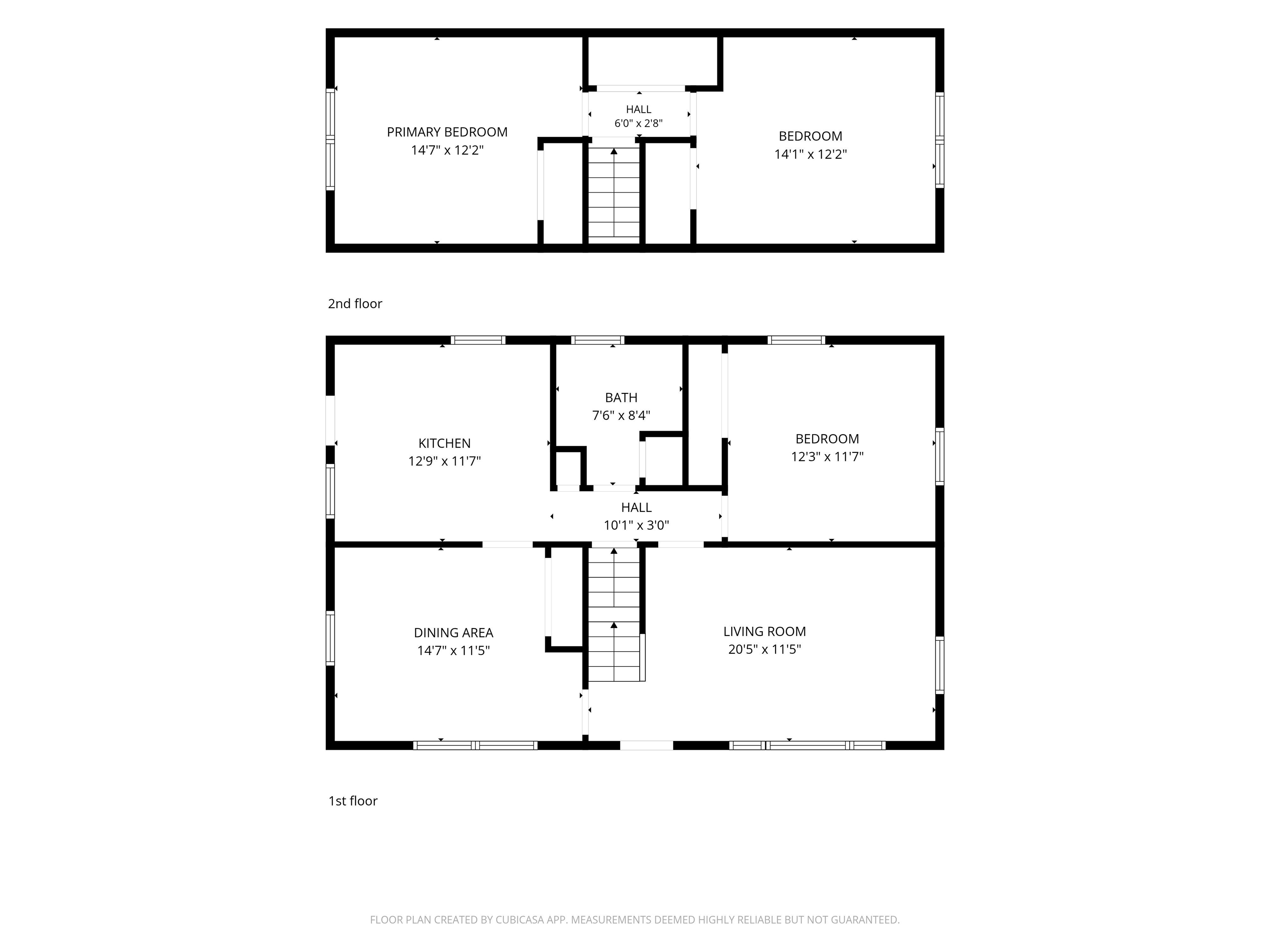
Nashua includes duplexes, small multifamily buildings, larger apartments and properties combining residential and commercial space. Begin with legal unit count, permits, certificates, fire and code records, leases and the physical layout.
Assessment classifications, separate meters, kitchens, entrances, mailboxes and existing occupancy do not independently prove a legal unit or use. Reconcile municipal records with title, survey, leases and inspection findings before relying on the income.
Use the statewide investment-property analysis guide to rebuild rent, expenses, NOI, reserves, financing and downside scenarios.
Nashua provides public GIS and property-assessment resources. The GIS includes property tax and assessment information, while the property record card describes site data and valuation components. These tools help organize preliminary research, but the City disclaims warranties about GIS accuracy and completeness.
Start with the Nashua GIS and assessment resources. Then use recorded documents, title work, surveys, approvals and professional review for legal and transaction decisions.
Write the required square footage, layout, parking, loading, access, power, utilities, ventilation, signage, hours, employee and customer volume, storage and expansion needs before touring. Separate must-have functions from preferences.
Then verify zoning and approvals, inspect the structure and systems, examine title and survey, investigate environmental conditions and reconstruct the total cost of occupancy. The New Hampshire commercial due-diligence guide provides a complete owner-user framework.
For a residential, commercial or mixed-use property, request leases, amendments, deposits, payment history, utility bills, service contracts, taxes, insurance and maintenance records. Distinguish collected income from advertised rent and seller projections.
Analyze residential and commercial components separately before combining them. They may have different vacancy patterns, leasing costs, improvement obligations, expense reimbursements and capital needs. Stress-test the property against lower rent, higher expenses, tenant turnover and an unplanned repair.
Nashua's Building Safety resources include building and land-use permit applications, commercial and multifamily plan requirements, sign procedures and trade permits. A change in occupant or activity may trigger work or approvals even when the building has long been used commercially.
Review the City's permit resources and discuss the specific operation with applicable officials and professionals before finalizing a build-out budget or opening date.
Former industrial, automotive, fuel-storage, dry-cleaning and other commercial uses can create environmental questions. A qualified environmental professional may recommend a Phase I Environmental Site Assessment and, depending on findings, further investigation.
Environmental conditions can affect financing, insurance, approvals, redevelopment and future sale. Address the timing, scope and legal implications before taking title.
Nashua Economic Development publishes information about business assistance, districts, revolving loans, incentives and tax-credit programs. Eligibility, funding, timing and value are program-specific and may change.
Use the City's Economic Development resources to understand available assistance, but underwrite the acquisition without assuming a program will apply until eligibility is confirmed.
No. Business-district descriptions provide geographic and economic context. The current Land Use Code, zoning map, overlays, property approvals and specific proposed use determine the regulatory analysis.
No. These sources are useful for preliminary research but do not replace recorded documents, title work, a survey, municipal approvals or professional review.
Depending on availability and buyer criteria, Nashua includes small multifamily, apartments, mixed-use buildings, neighborhood commercial property, retail, office, industrial and flex property. Each requires a different income, expense, lease and capital analysis.
Use the Greater Nashua real estate guide for regional context, the Commercial Real Estate hub for owner-user research and the Investment Property hub for underwriting guidance. For a property-specific plan, contact Bean Group.