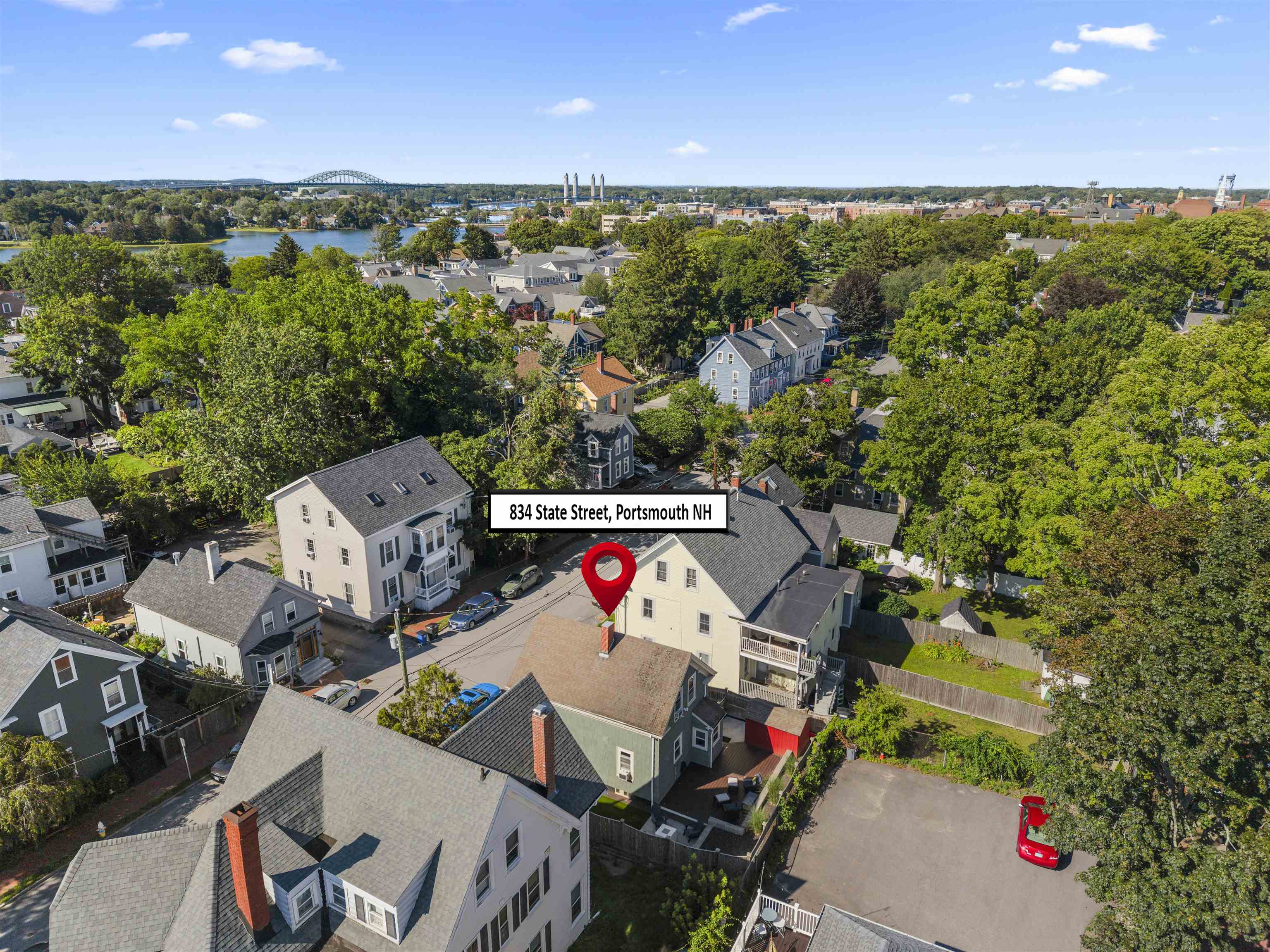


If you’re a buyer who values architectural character, timeless design, and the opportunity to live in a home with stories etched into its walls, then Portsmouth, NH is the perfect destination. Founded in 1623 by English colonists who originally named it Strawbery Banke for the wild berries growing along the Piscataqua River, Portsmouth is one of the oldest continuously inhabited cities in the United States—and its built environment reflects over four centuries of history.
From narrow colonial row houses to grand Federal-era residences, the city’s historic homes are a major draw for buyers seeking a distinctive living experience that blends craftsmanship and heritage with the modern amenities today’s homeowners expect. Portsmouth has been recognized by the Advisory Council on Historic Preservation as home to the largest collection of historic houses in America, and it holds a Preserve America Community designation—a testament to the city’s deep commitment to protecting its architectural legacy.
Portsmouth’s Antique Home Market: What You’ll Find
Buyers exploring historic properties in Portsmouth will encounter a range of homes built between 1700 and 1900, many concentrated in the city’s most sought-after neighborhoods, including the South End, Islington Creek, and Middle Street Historic District. The Portsmouth Downtown Historic District—listed on the National Register of Historic Places in 2017—encompasses more than 1,200 historically significant buildings spread across a roughly L-shaped area radiating from Market Square. Within that district sit 35 previously designated National Register properties and five National Historic Landmarks, including the MacPheadris-Warner House (1716), the Moffatt-Ladd House (1763), and the Wentworth-Gardner House (1760).
Common architectural styles you’ll encounter include:
- Georgian (1700–1780): Symmetrical façades, paneled doors, central chimneys, and steep-pitched roofs. The Warner House on Daniel Street is one of the finest surviving examples in New England.
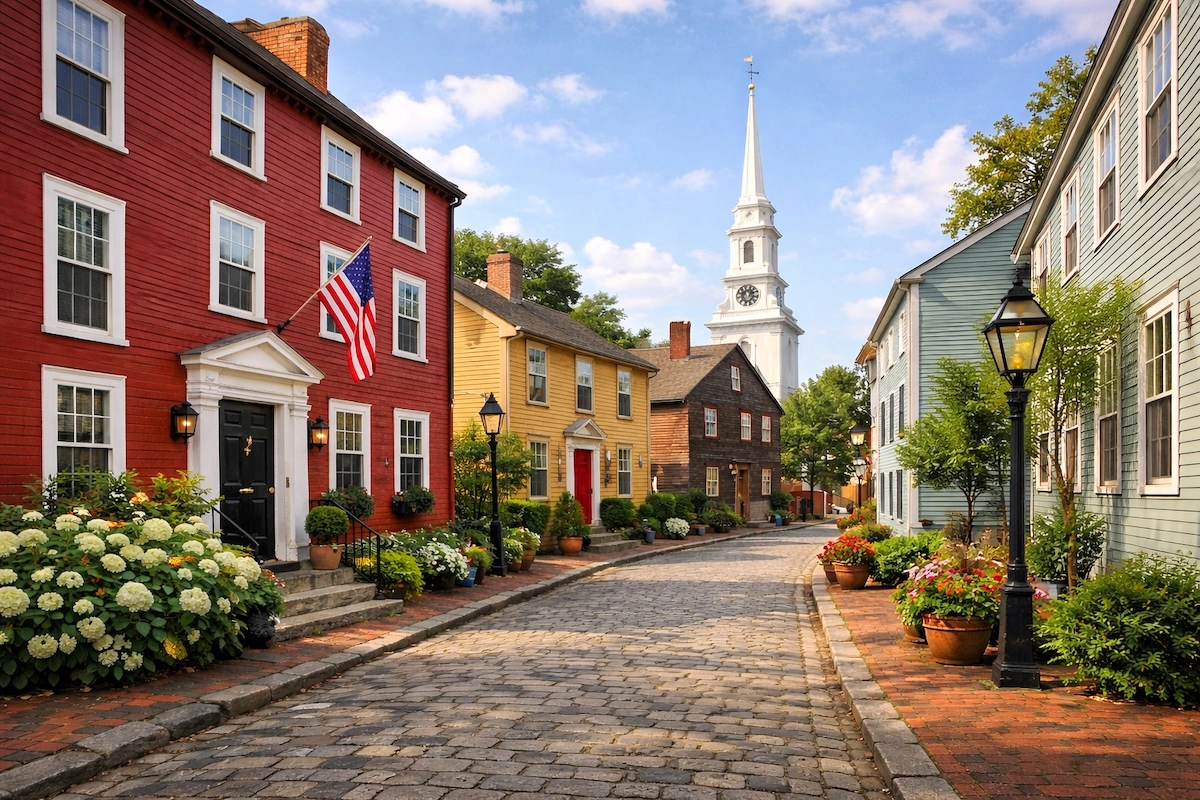
- Federal (1780–1830): Refined proportions, fanlight transoms, sidelights, and decorative cornices. This style dominates the South End, particularly along Marcy Street and near Strawbery Banke.
- Greek Revival (1825–1860): Tall columns, wide entablatures, and bold classical details influenced by the democratic ideals of the early republic.
- Victorian (1870–1910): Ornate trim, bay windows, turrets, and asymmetrical facades. These homes are more commonly found along the Islington Street corridor and in the West End.
In neighborhoods like the South End, it’s not uncommon to find entire streets lined with preserved homes that have retained their original clapboard siding, period windows, and restored interiors. Many of these homes offer views of the harbor or are steps from landmarks like the Strawbery Banke Museum—a 10-acre outdoor living history museum that preserves over 37 restored buildings dating from 1695 to the 1950s and welcomes more than 110,000 visitors annually.
Why Portsmouth’s Historic Architecture Is So Well Preserved
Portsmouth’s architectural story is shaped in part by disaster. In 1813, a devastating fire swept through the city center and destroyed 244 buildings. In the aftermath, a fire district was established that required new construction in the downtown core to be built in brick—which is why the commercial heart of the city features handsome brick Federalist-era buildings that have endured for over two centuries. South of the fire zone, however, the South End and Puddle Dock area escaped the blaze, preserving a remarkable concentration of 18th-century wood-frame construction—including braced-frame homes with hand-hewn timbers—that would otherwise have been lost.
In the 1950s, when urban renewal threatened to demolish the Puddle Dock neighborhood entirely, a group of local citizens banded together to save it. They founded Strawbery Banke, Inc. in 1958, going door-to-door to rally community support. By 1965, the site opened as a public museum, and the preservation movement it sparked has shaped how the entire city approaches historic stewardship ever since.
Inside a Portsmouth Antique Home: What Buyers Can Expect
While every antique home is unique, many share common characteristics that distinguish them from newer builds:
- Original wide-plank pine floors—often 12 to 20 inches wide—and hand-carved woodwork including wainscoting, chair rails, and crown moldings
- Fireplaces in multiple rooms, often with restored brick or stone surrounds and original mantelpieces
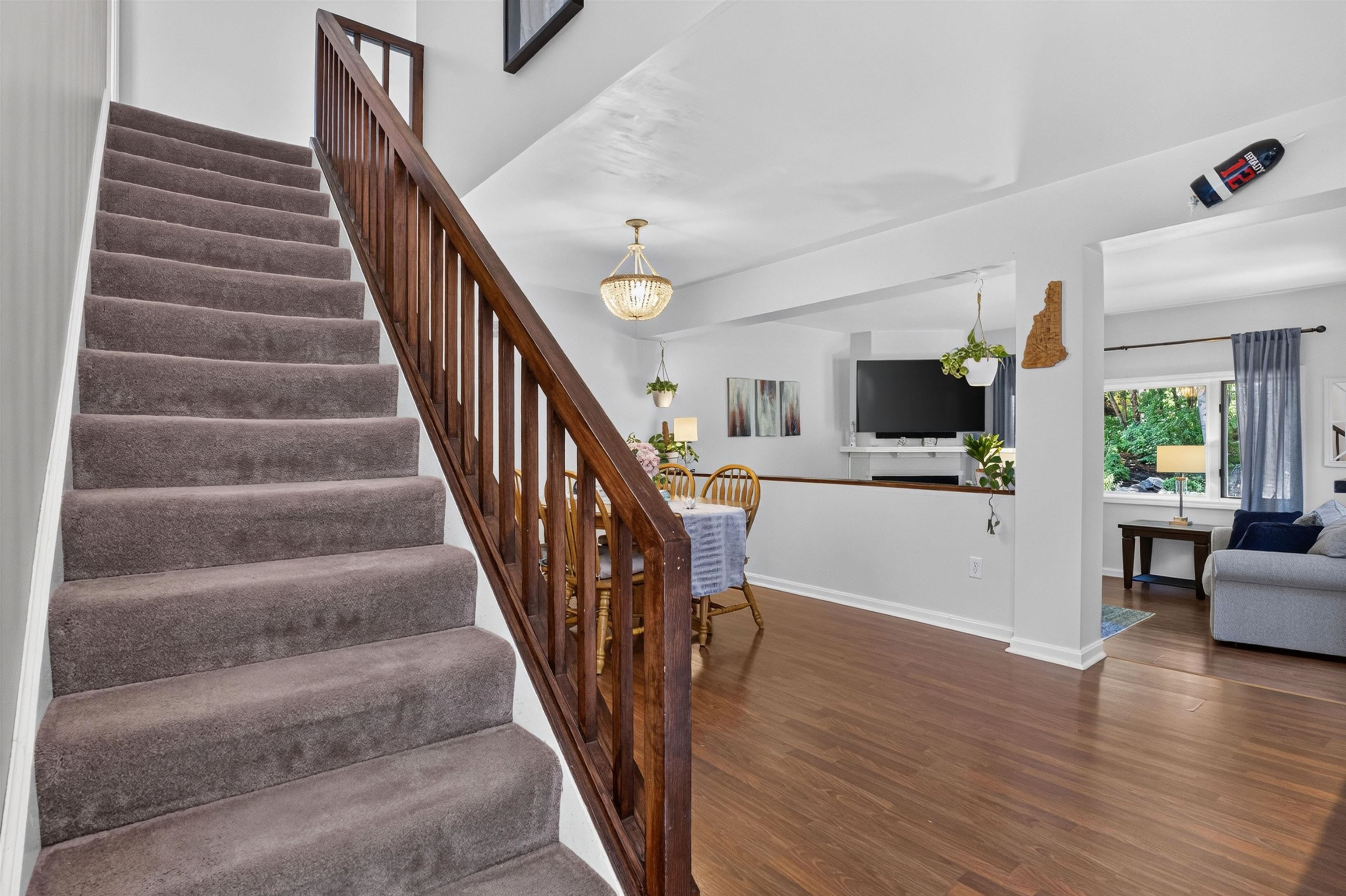
- Restored staircases with turned balusters, period light fixtures, and eight-panel interior doors
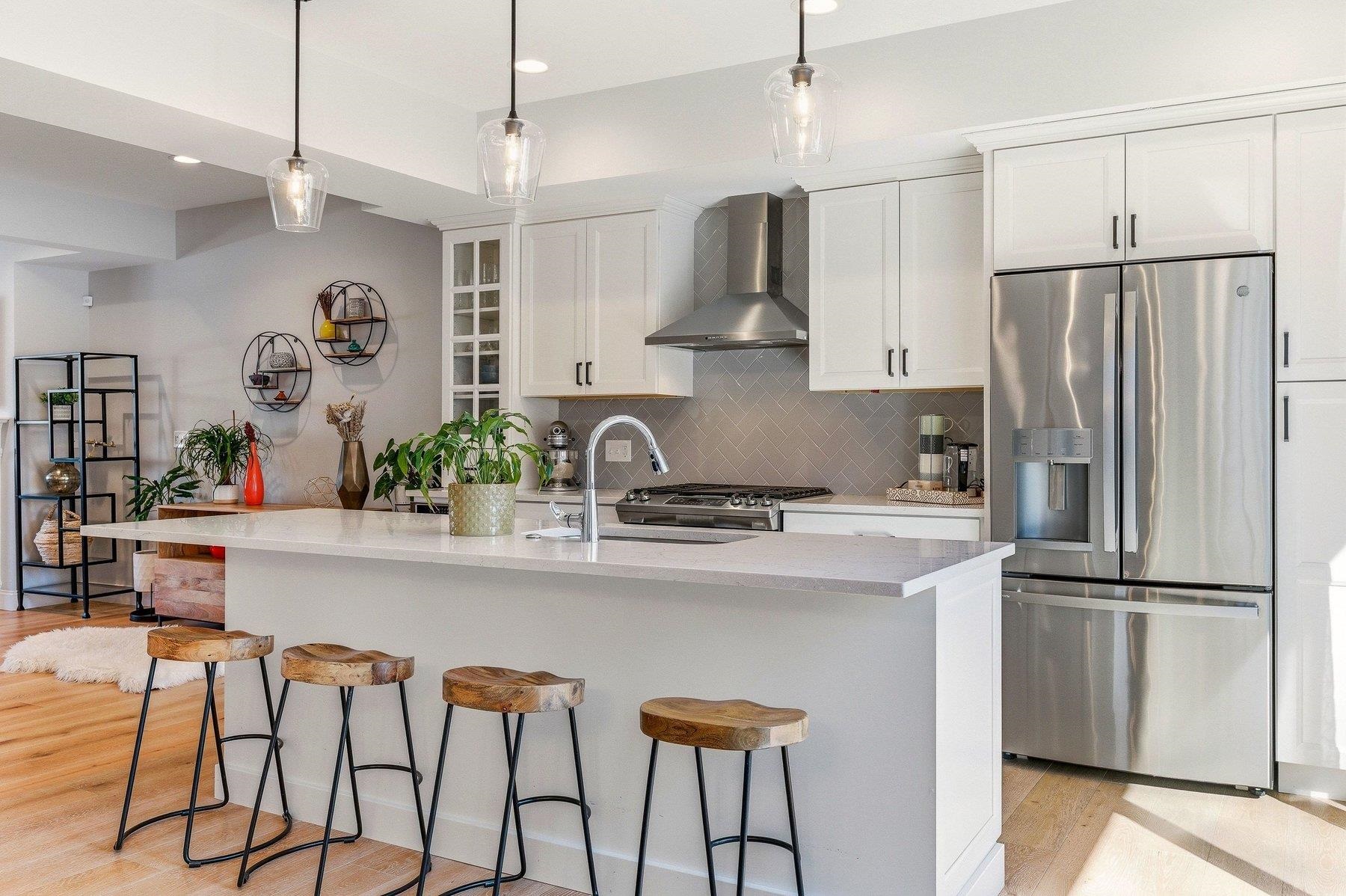
- Upgraded systems including modern electrical, plumbing, HVAC, and insulation—often carefully retrofitted to preserve the home’s historic integrity
Because of strict local preservation guidelines, updates are typically done with high-quality materials that respect the home’s character while adding function and comfort. Many historic homeowners also take advantage of the federal Historic Tax Credit (HTC), which provides a 20% tax credit on qualified rehabilitation expenses for income-producing properties listed on the National Register—a meaningful incentive for investors and buyers planning to renovate.
Living in Portsmouth’s Historic Districts
Owning a home in one of Portsmouth’s designated historic districts—like the South End, Islington Street Corridor, or Middle Street/State Street—means becoming a steward of the city’s architectural heritage. It’s worth noting that Portsmouth maintains both a local historic district (overseen by the city) and a National Register historic district—and the two are separate designations with different implications for property owners.
The local historic district areas are governed by the Historic District Commission (HDC), which reviews proposed exterior changes to ensure renovations remain consistent with the historic fabric of the neighborhood. The HDC uses published design guidelines as a review tool to help manage change and protect the city’s architectural resources. While this may mean additional steps for exterior modifications—such as window replacements, siding changes, or new additions—it also serves as a powerful mechanism for preserving property values and neighborhood character. Interior renovations are generally not subject to HDC review.
Being listed on the National Register, by contrast, is an honorary designation that does not restrict what a private property owner can do with their own funds. It does, however, open the door to tax credits and grants, and ensures that the property is considered in the planning of federally funded projects.
The Value of Investing in Historic Homes
Antique homes in Portsmouth offer more than visual charm—they’re in high demand and chronically short supply. As of early 2026, the median listing price for vintage homes in Portsmouth sits around $818,000, with the overall market median closer to $875,000. Downtown properties routinely sell in under 25 days, and homes in the South End or steps from Market Square command premium prices—especially when water views, restored interiors, or original architectural details are part of the package.
The scarcity factor is real. Portsmouth sits on a narrow stretch of New Hampshire’s 18-mile coastline, and the historic core is essentially built out. There is no new land being created in the South End. Combined with the city’s strong economic fundamentals—an unemployment rate around 1.1%, a median household income above $105,000, and no state income or sales tax—the investment case for Portsmouth’s historic homes is difficult to argue against.
Buyers looking for multi-functional properties may also appreciate historic homes with carriage houses, in-law apartments, or auxiliary units—subject to zoning regulations—which can provide rental income or flexible living arrangements that boost overall return on investment.
Tips for Buyers Considering Antique Properties
- Hire a specialist home inspector with experience in historic structures. Standard inspectors may not know how to evaluate hand-hewn timber framing, original masonry, or the condition of 200-year-old foundations.
- Familiarize yourself with HDC regulations if the home is in the local historic district. Understand which exterior changes require review and plan your renovation budget accordingly.
- Explore tax incentives. The federal Historic Tax Credit and, in some cases, state-level preservation grants can offset rehabilitation costs for qualifying properties.
- Budget for long-term maintenance and possible restoration work. Historic homes reward careful upkeep, but deferred maintenance can become costly—especially for elements like period windows, original siding, and masonry chimneys.
- Work with a local agent who understands the nuances of the Portsmouth market, the HDC process, and the particular considerations of buying and owning a historic property.
Your Next Chapter Starts in the Past
There’s something uniquely rewarding about owning a piece of history. The patina of aged floors, the symmetry of Federal architecture, the view of the harbor from a home built when the city was still a colonial seaport—it all adds up to an experience that simply can’t be replicated in new construction. Portsmouth’s historic homes aren’t just houses; they’re part of a living, walkable, thriving city that has managed to honor its past while remaining one of the most desirable places to live in New England.
If you’re considering buying an antique home in Portsmouth, we’d love to help you find the perfect fit. Contact us to explore current listings and take the next step toward owning a piece of New Hampshire history.