New - 10 Hours Ago





A practical guide to income-producing properties in Portsmouth's tight market
Portsmouth's real estate market is driven significantly by investment and rental properties. Forty-two percent of all properties in Portsmouth are non-owner-occupied—held by investors, corporations, or used as vacation rentals. That's a larger percentage than most seacoast towns. The dollars flowing through these properties are substantial, and the opportunity for thoughtful investors is real.
If you're considering multi-family investing—duplexes, triplexes, small apartment buildings—Portsmouth offers a strong rental market, growing employment at Pease Tradeport, and healthy demand from out-of-state workers and transient professionals. But it's not risk-free, and entry price points are higher than they might be elsewhere.
Portsmouth's multi-family inventory breaks down into specific categories, each with different economics and investment profiles.
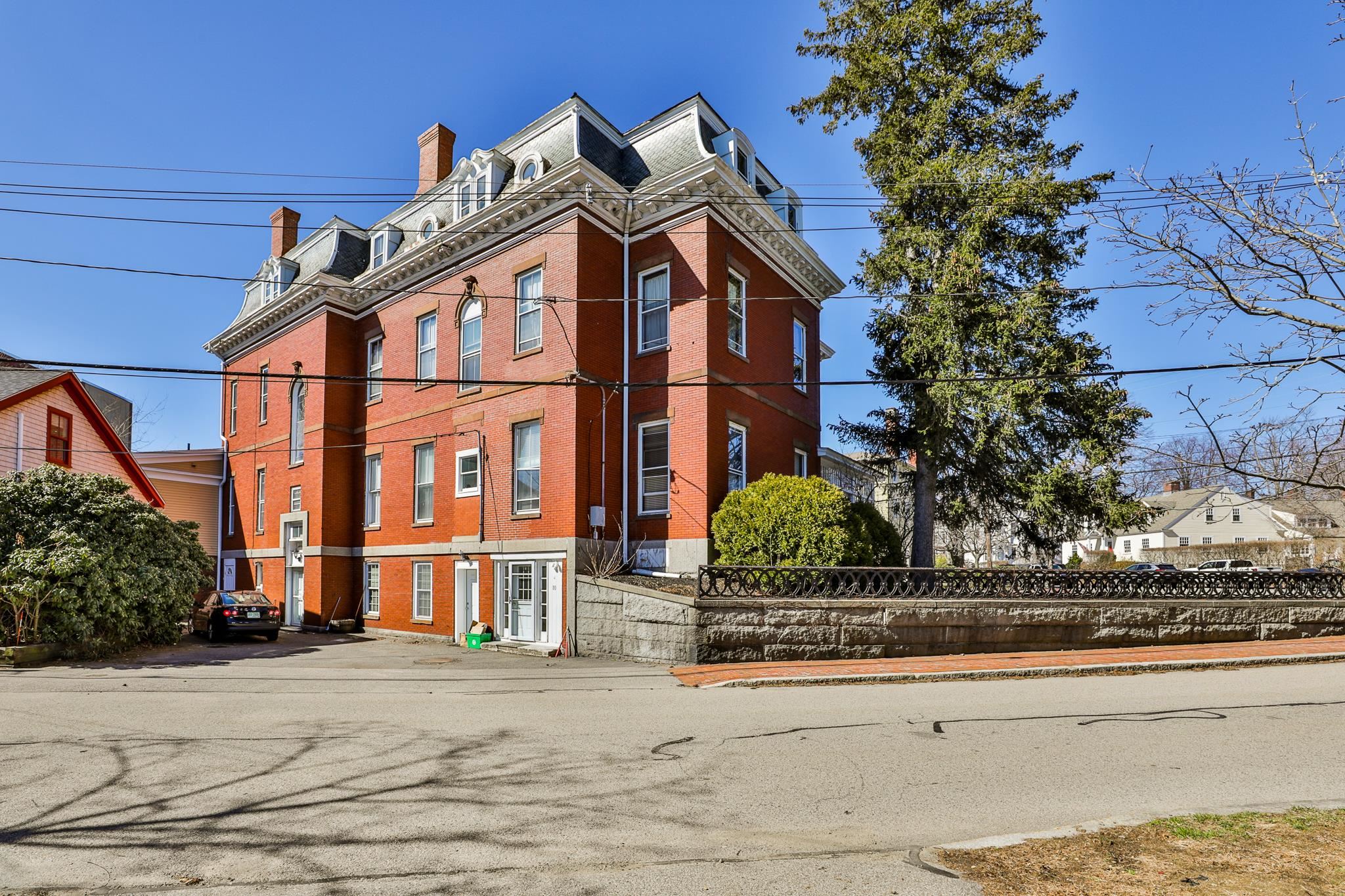
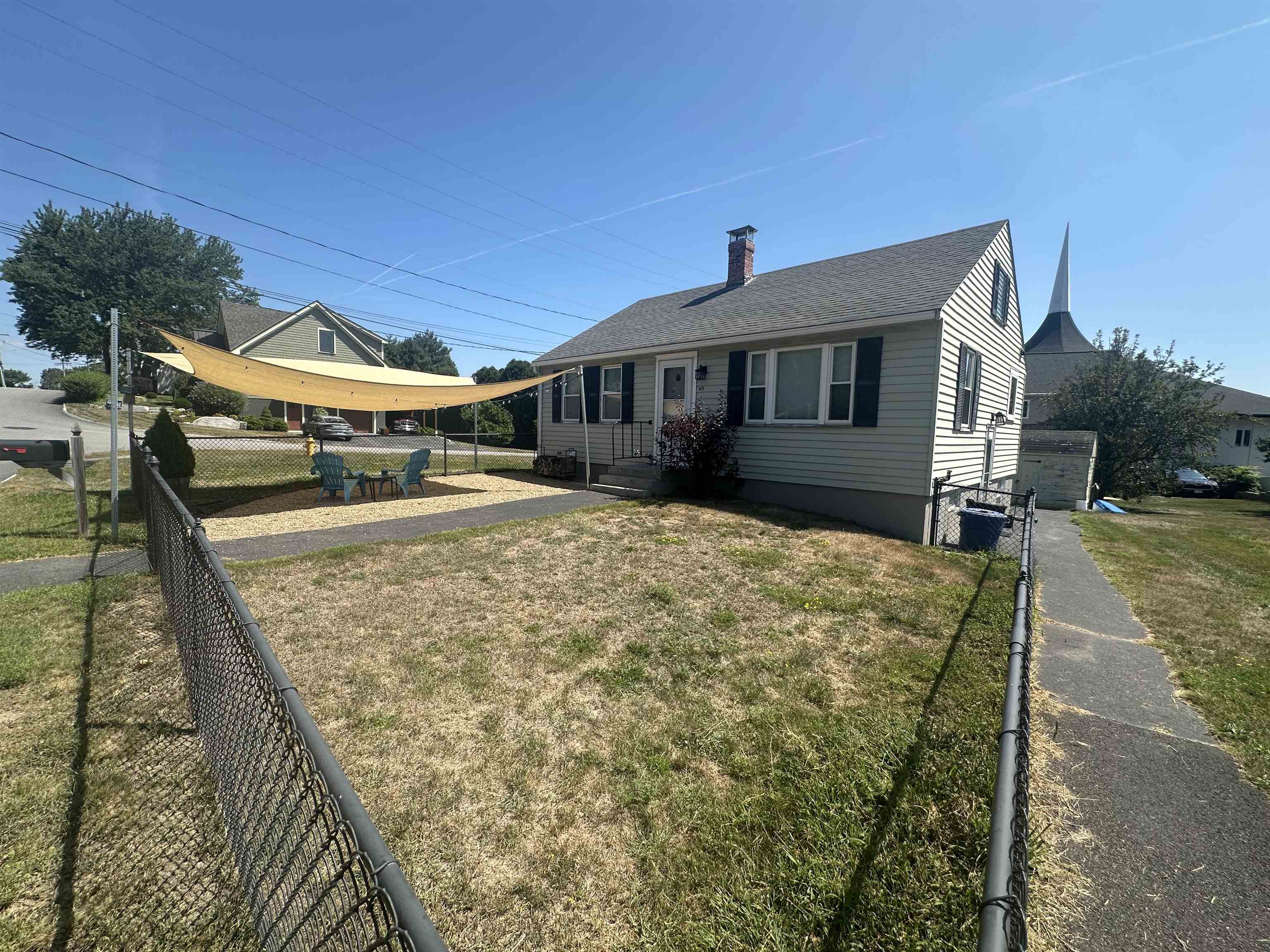
Duplexes: 286 units in Portsmouth, median price $1.04 million. These are the entry point for many investors. You buy a duplex, live in one unit, rent the other, and your tenant's rent subsidizes your mortgage. This is the classic owner-occupant house-hacking strategy.
Triplexes: 67 units, median price $1.26 million. More rare than duplexes. These command a premium because the income potential is higher but the building management is more complex. Triplexes are attractive to serious investors, not first-time buyers.
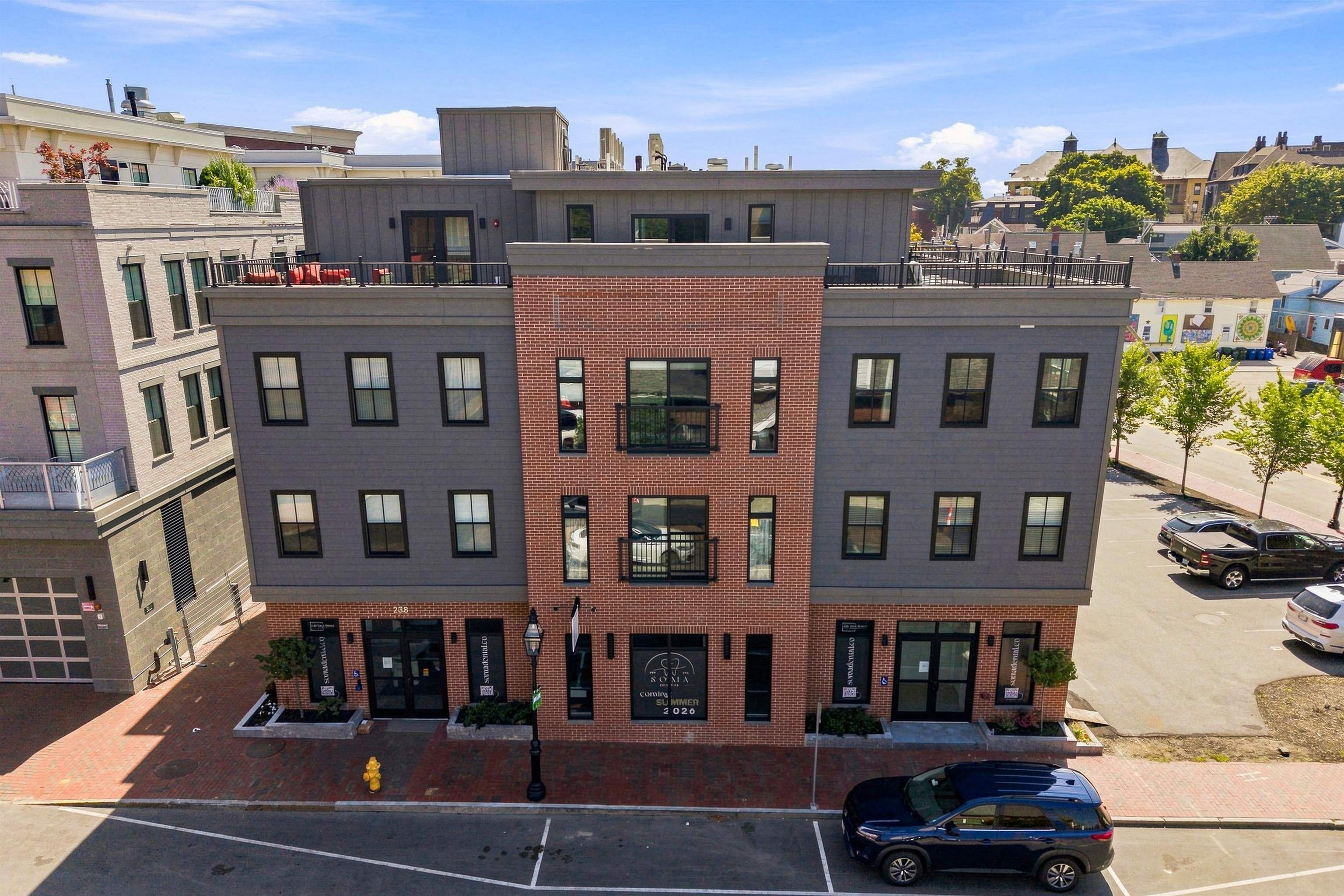
General Multi-Family: 69 small apartment buildings (4-6 units typically), median price $891,000. These are the true investment properties—buildings where the owner typically doesn't occupy a unit. Cap rates and cash-on-cash returns matter more than owner-occupancy.
Apartment Buildings: 141 larger buildings (10+ units), median price $1.33 million. These are serious real estate plays, requiring institutional-quality management and financing. Not for novice investors.
The duplex-hacking strategy is mathematically compelling. You buy a duplex for $1.04 million. You put 20% down ($208,000). You live in one unit. You rent the other for, say, $2,000-$2,400 per month. Your mortgage is roughly $4,000-$4,500. Your tenant's rent significantly offsets your housing cost.
This works best if you're comfortable living with tenants adjacent to you and if you can manage a small real estate business. The rent-to-price ratio in Portsmouth is tight—monthly rents run 0.15-0.20% of purchase price—so the math works, but it's not explosive returns. It's subsidized housing with moderate upside.
The advantage is psychological and financial. You're living in a real estate asset that's appreciating. Your tenant is building your equity. You get favorable mortgage terms (owner-occupied financing is better than investor financing). Your depreciation and expenses provide tax advantages.
The disadvantage is that you're managing a tenant, dealing with maintenance, and living next to your business. Not everyone's comfortable with that. But for someone building wealth and willing to be hands-on, duplexes are powerful tools.
If you're a pure investor (not living in the building), the economics shift. You're looking at cap rates, cash-on-cash returns, and appreciation potential rather than personal housing subsidy.
A four-unit building in Portsmouth might purchase for $900,000-$1.1 million. If each unit rents for $1,500-$1,800, annual gross revenue is $72,000-$86,400. Your mortgage, property tax, insurance, and maintenance eat into that, but you might cash-flow $500-$1,000 per month after all expenses. That's 6-13% cash-on-cash return, depending on your down payment and market conditions.
These returns are modest but steady. Portsmouth's rental demand supports this. Pease Tradeport employment creates a reliable tenant base. The property appreciates over time. For long-term wealth building, it works. For get-rich-quick speculation, it doesn't.
The West End/Islington neighborhood concentrates multi-family inventory. The entire West End has 563 properties, of which 40 are duplexes and dozens more are multi-family or mixed-use. Islington Street specifically has become a destination for residential investment because of the neighborhood's walkability and commercial activity.
Downtown (South End) has fewer pure multi-family properties because the housing stock is more heavily condo-focused. But there are mixed-use buildings with residential above commercial, which can work as investment properties.
Neighborhoods north and west of downtown—Elmwood, New Castle Avenue area—have older duplexes and small buildings with lower purchase prices ($700,000-$950,000) and comparable rents, making them attractive for cap rate investors.
Portsmouth's rental market is tight. Vacancy rates are low. Demand is stable from several sources: Pease Tradeport employment, UNH graduate students and staff, transient professionals working on the seacoast, and tourists/seasonal workers. This creates reliable demand for both long-term and short-term rentals.
Monthly rents for a two-bedroom apartment in a multi-family building run $1,600-$2,000. Single-family homes rent for more—$2,200-$2,800 for a three-bedroom. These rents support the economics of purchased multi-family properties.
Short-term rental (Airbnb/VRBO) potential is higher in downtown and on Islington, where tourist appeal drives nightly rates to $150-$250+ per night. That creates tension—do you optimize for the higher revenue of short-term, or the stability and simplicity of long-term? That choice matters for neighborhood character and your management workload.
Unit Composition: Two-bedroom units tend to rent more reliably than studios or one-bedrooms. Three-bedroom units command premium rents but attract families, meaning longer tenancy but potentially more wear and tear. Understand what rents in the neighborhood.
Building Condition: Old buildings in Portsmouth require ongoing maintenance. Lead paint, asbestos, aging roof, dated electrical—these cost money. Get a thorough inspection. Budget for deferred maintenance. Don't buy hoping to ignore these issues.
Parking: Adequate parking is worth money in Portsmouth. Buildings in downtown or tight neighborhoods where parking is permit-only or scarce will struggle to attract tenants. Properties with dedicated parking command premium rents.
Current Rents vs. Market Rents: If a building is renting units below market, there's upside when leases renew. If it's renting at market, you're buying cash flow at current market rates with no quick bump. That affects your return calculation.
Tenant Quality and Turnover: Talk to the current owner about tenant stability, eviction history, and problems. A property with high turnover is expensive to manage. Stable, long-term tenants are worth premium purchase prices.
Historic District Restrictions: If the building is in Portsmouth's Historic District, exterior changes require HDC approval. Maintenance and upgrades may be more complex and expensive. Factor that into your assessment.
Financing a multi-family property as an investment is trickier than owner-occupied. Lenders require stronger cash reserves, lower debt-to-income ratios, and larger down payments (25% rather than 20%). Interest rates are typically 0.5-1.0% higher on investor properties.
Your credit score matters more. Your employment stability matters. Lenders want to see a track record of real estate experience or employment experience in property management. If you're new to investing, expect pushback and higher rates.
The property itself has to pencil out on paper. Lenders use pro forma rent to calculate lending amounts, not actual current rents. If the current owner is underrenting, the lender won't give you credit for upside—they'll base lending on current income. Understand your financing position before you get emotionally attached to a property.
Investment properties offer tax advantages: depreciation deductions (building value but not land) reduce taxable income, mortgage interest is deductible, repairs are deductible, property taxes are deductible. These create what's called "paper loss"—your property generates positive cash flow, but for tax purposes, depreciation makes it look like a loss, sheltering other income.
This is powerful, but consult a tax professional before you buy. The rules are complex and specific to your situation. Don't rely on general "everyone does this" thinking. Get professional tax advice.
Multi-family investing in Portsmouth works. The rental demand is real, the fundamentals are solid, and the long-term appreciation has been steady. But it's not passive. You're managing tenants, collecting rent, handling maintenance emergencies, and navigating property management complexity.
Returns are real but moderate. You're not going to make 20% cash-on-cash returns in Portsmouth. You're going to make 5-10%, if you're smart and selective. That compounds over years into real wealth. But it requires patience, discipline, and hands-on engagement.
If you're looking for pure investment yield without work, this isn't it. If you're building long-term wealth and willing to do the work, Portsmouth's multi-family market deserves serious attention.
Equal Housing Opportunity
All properties advertised in this article are subject to the Fair Housing Act, which prohibits discrimination based on race, color, religion, national origin, sex, disability, and familial status. Additionally, discrimination is prohibited based on sexual orientation, gender identity, marital status, and source of income under New Hampshire law. Real estate professionals are committed to providing equal opportunity to all persons in the acquisition, disposition, rental, or leasing of real property.