New - 13 Hours Ago






A practical guide to evaluating older and historically significant homes in Portsmouth, including location, building systems, district review, insurance, financing, and renovation planning.
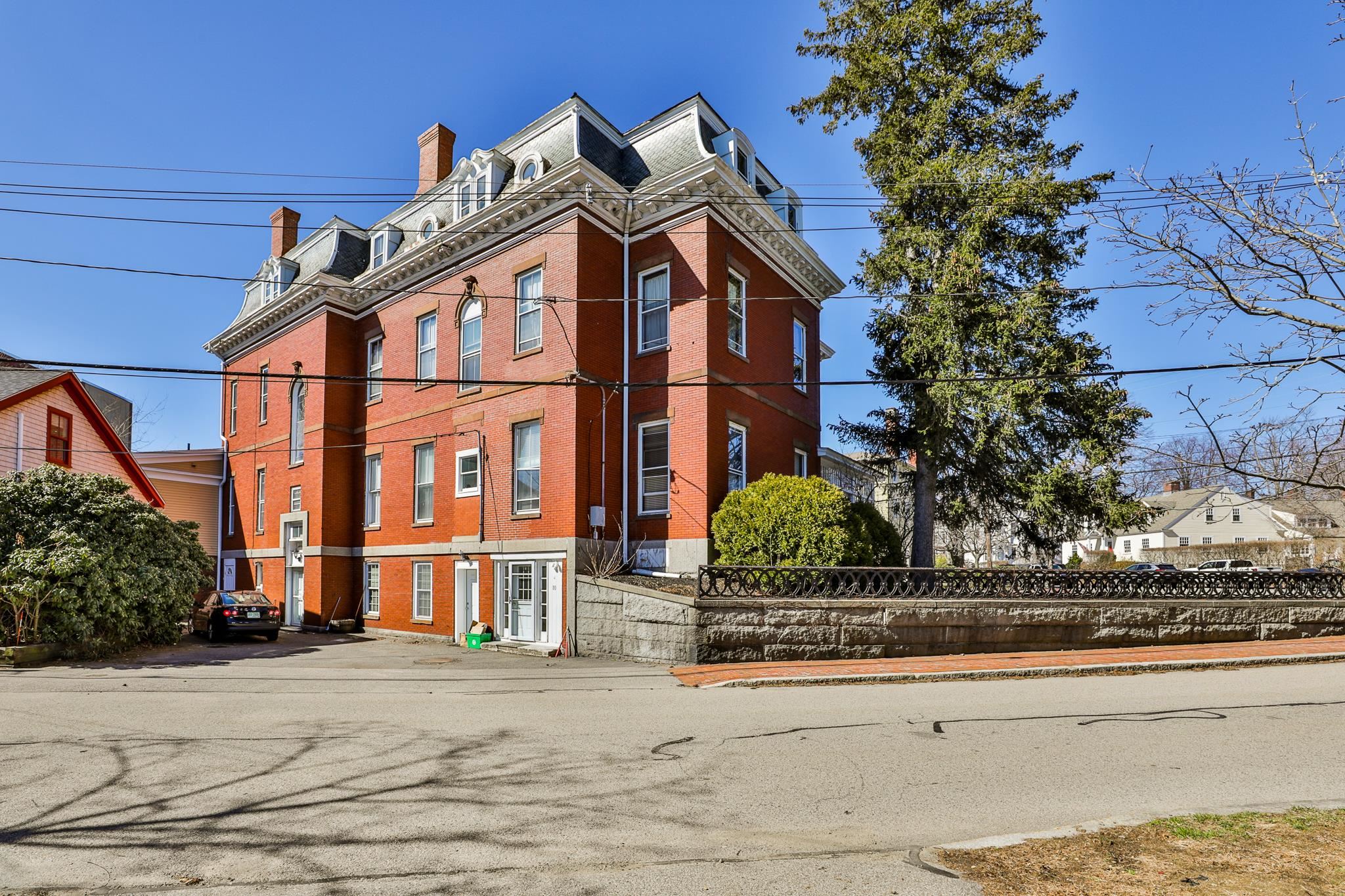
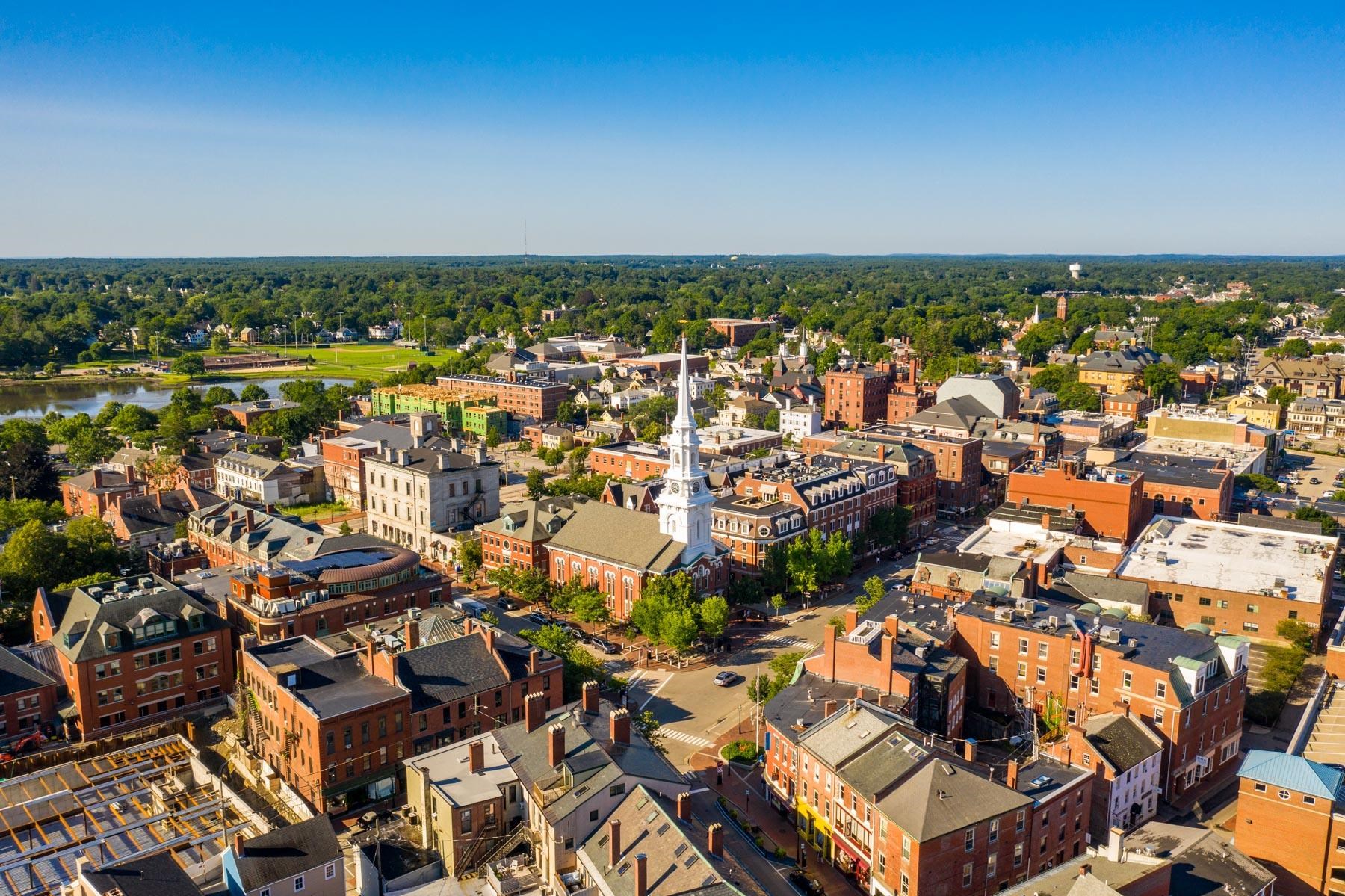
Portsmouth contains a substantial inventory of older housing, including homes dating to the eighteenth and nineteenth centuries. That architectural character is part of the city’s appeal, but every older property requires address-specific research into condition, alterations, permits, insurance, and ongoing maintenance.
Older housing is concentrated in and around downtown, the South End, the West End, and established streets extending away from the city center. Age alone does not establish historic designation. Confirm the parcel, construction history, alterations, zoning, and whether it lies within a regulated historic district.
In everyday real estate language, “historic” may refer to age, architecture, a documented historical association, or location within a regulated district. Those meanings are not interchangeable. Confirm the construction history, legal records, and applicable City of Portsmouth requirements for the specific property.
But "historic" doesn't mean the same thing across the board. Some pre-1900 homes sit in the Historic District—a specific geographic area downtown and in the North End where exterior changes require approval from the Historic District Commission. Others are simply old houses in regular neighborhoods that you can renovate however you want.
A home built in 1895 is genuinely old and will have all the systems and materials associated with that era. A home built in 1899 is equally old. The difference between being in the Historic District and being outside it is purely about restrictions on exterior appearance and changes—not about the condition or character of the building itself.
The oldest homes in Portsmouth date to the 1600s and 1700s. The majority of pre-1900 stock was built in the 1800s. Downtown, specifically, has a median construction year of 1895. These aren't cosmetic antiques. They're working buildings where the original owners are long gone, but the original framing, plumbing, and electrical systems are still there—and showing their age.
An older home deserves a coordinated review of structure, roof, exterior envelope, drainage, foundation, electrical, plumbing, heating, insulation, moisture, chimneys, windows, additions, permits, and environmental concerns. Inspection scope should reflect the property rather than a generic age-based assumption.
Lead paint was the standard until the late 1970s. If your home was built before 1978, it almost certainly has lead paint. Portsmouth's pre-1900 homes? Certainly have it. This is not a hypothetical concern. This is a practical fact.
Federal law requires disclosure of lead paint risks. Many lenders require lead inspections. If you have or plan to have children in the home, lead remediation becomes a serious conversation with your inspector and contractor. The cost of professional lead abatement—not just painting over it, but actually removing it safely—can run $10,000 to $30,000+.
You can choose to manage it. Many homeowners stabilize lead paint rather than remove it (sealing it under new paint, for example). But you need to understand the risks and make an informed decision. Don't discover this during inspection and be shocked. Ask about it upfront.
Homes built in the early 1900s and before often still contain knob-and-tube wiring—copper wires run through ceramic tubes, exposed on or in the walls. It was state-of-the-art in 1910. It's a fire hazard and insurance liability today.
Many insurance companies won't cover homes with knob-and-tube wiring. Some require it to be removed before they'll issue a policy. A complete rewiring of a 3,000-square-foot home can cost $15,000 to $25,000. Some homes have been partially rewired, creating a patchwork of old and new. That patchwork is its own problem.
Have an electrician inspect any historic home you're seriously considering. Don't just rely on the inspector who came with the general home inspection. An electrician specializing in old homes can tell you what needs replacing immediately and what might wait.
Asbestos was used in insulation, floor tiles, roof shingles, and pipe wrap well into the 1980s. It was considered a miracle material—fireproof, insulating, durable. We now know it causes serious health problems when fibers are disturbed and inhaled.
Simply having asbestos in your home isn't necessarily an immediate problem if it's in good condition and undisturbed. But if you're planning renovations—and most people who buy old homes eventually do—you need to know where it is. Professional abatement is expensive and requires licensed contractors. This is another cost that should factor into your purchase decision.
Homes built in the 1800s have settled. Some are still settling. Uneven floors, cracks in plaster, doors that don't close smoothly—these are normal in old houses. They're not always urgent. But sometimes they're signs of foundation movement that requires professional assessment.
Many Portsmouth historic homes have original granite or stone foundations. These are durable but prone to settling. Some have been compromised by moisture or age. A structural engineer's assessment ($400-$800) is money well spent on any 100+ year old home.
Conversely, don't panic at the first crack or uneven floor. This is old-house normal. Get it inspected, understand it, and move forward with the knowledge you have.
If your home is in Portsmouth's Historic District, exterior changes require approval from the Historic District Commission (HDC). That includes new windows, siding, doors, roof materials, additions, and landscaping changes that are visible from the street.
The HDC generally prefers historically appropriate materials and designs. New vinyl windows might be rejected in favor of wood windows with authentic glazing patterns. A modern addition might need to be set back or designed to be less visible. A new driveway might need to use traditional materials.
This is neither good nor bad—it depends on your tolerance for process and restrictions. Some homeowners love it, seeing it as protection for the neighborhood character. Others find it burdensome. Before you buy in the Historic District, attend an HDC meeting and see how the process works. Ask the listing agent or current owners about any pending requests or restrictions.
Historic homes often cost more to insure. Insurers factor in the age of the home, the condition of electrical systems, the water supply (old wells versus municipal), and the availability of fire suppression. A 1,700-square-foot historic home might have higher premiums than a newer home of the same size.
Get insurance quotes before you buy. Don't assume your current homeowner's insurance will transfer smoothly. Some insurers specialize in historic homes and offer better rates. Others decline historic properties altogether. This can affect your ability to get a mortgage.
Confirm insurability and financing early. Older systems, deferred maintenance, replacement-cost assumptions, active renovation work, condominium structure, or historic-district requirements can affect underwriting, coverage, timing, and cash reserves. Obtain property-specific quotes and written estimates rather than relying on a citywide percentage or premium.
Historic homes are beautiful, unique, and deeply connected to Portsmouth's character. They're also expensive to maintain, complicated to renovate, and sometimes frustrating to live in. Both things are true simultaneously.
The right historic home buyer understands the tradeoffs, gets professional inspections (general, electrical, structural), factors in remediation costs, and comes into the purchase prepared for ongoing maintenance. Don't buy historic because you love the idea of an old house. Buy historic because you've done your homework and you still love it.
Equal Housing Opportunity
All properties advertised in this article are subject to the Fair Housing Act, which prohibits discrimination based on race, color, religion, national origin, sex, disability, and familial status. Additionally, discrimination is prohibited based on sexual orientation, gender identity, marital status, and source of income under New Hampshire law. Real estate professionals are committed to providing equal opportunity to all persons in the acquisition, disposition, rental, or leasing of real property.