Open: Wed 4:30 PM - 6:00 PM





Hampton and Rye are neighboring Seacoast towns, but their active inventories, housing forms, beach settings, municipal structures, and price points differ. This comparison provides an objective starting point for property-level research.
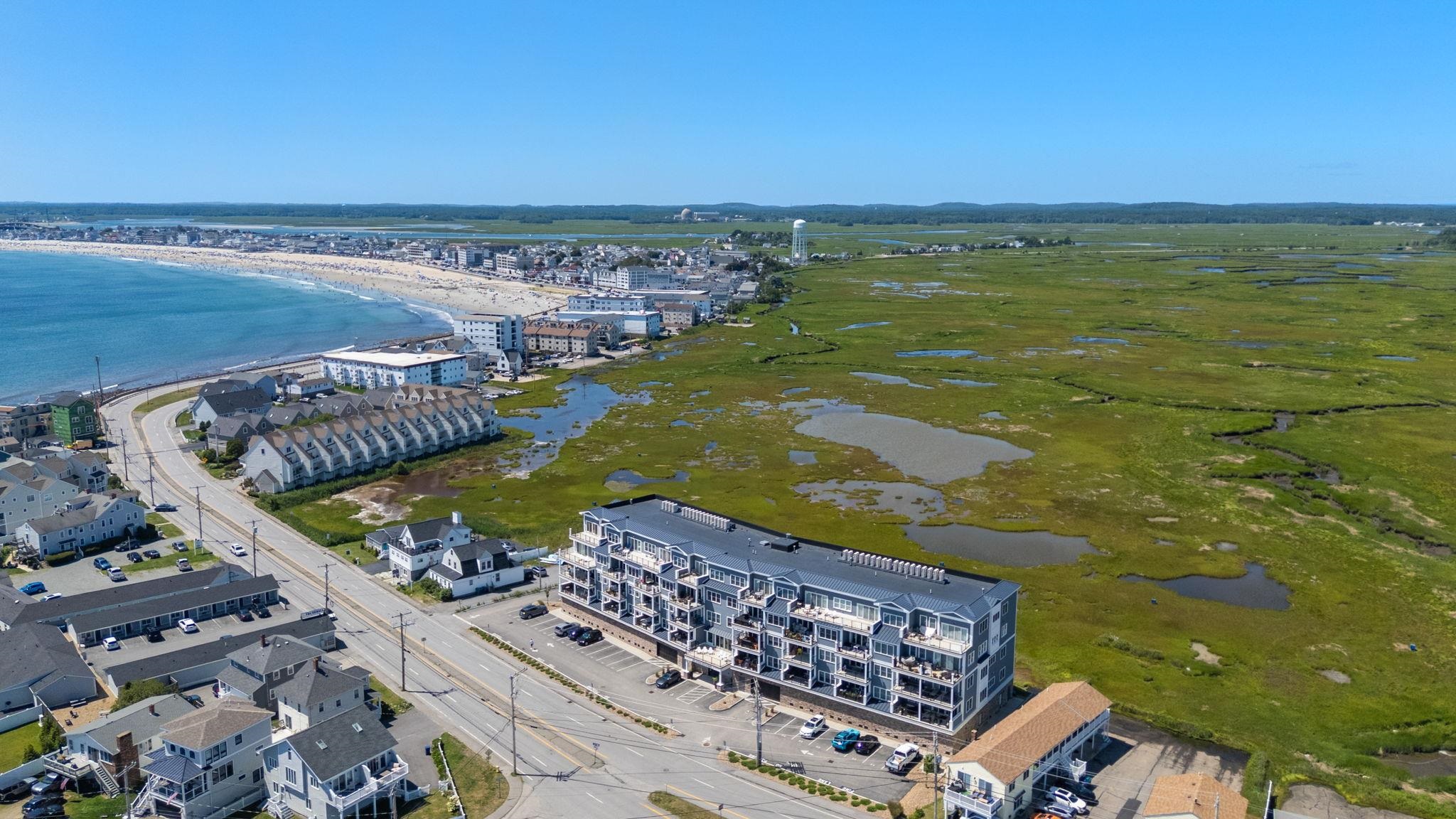
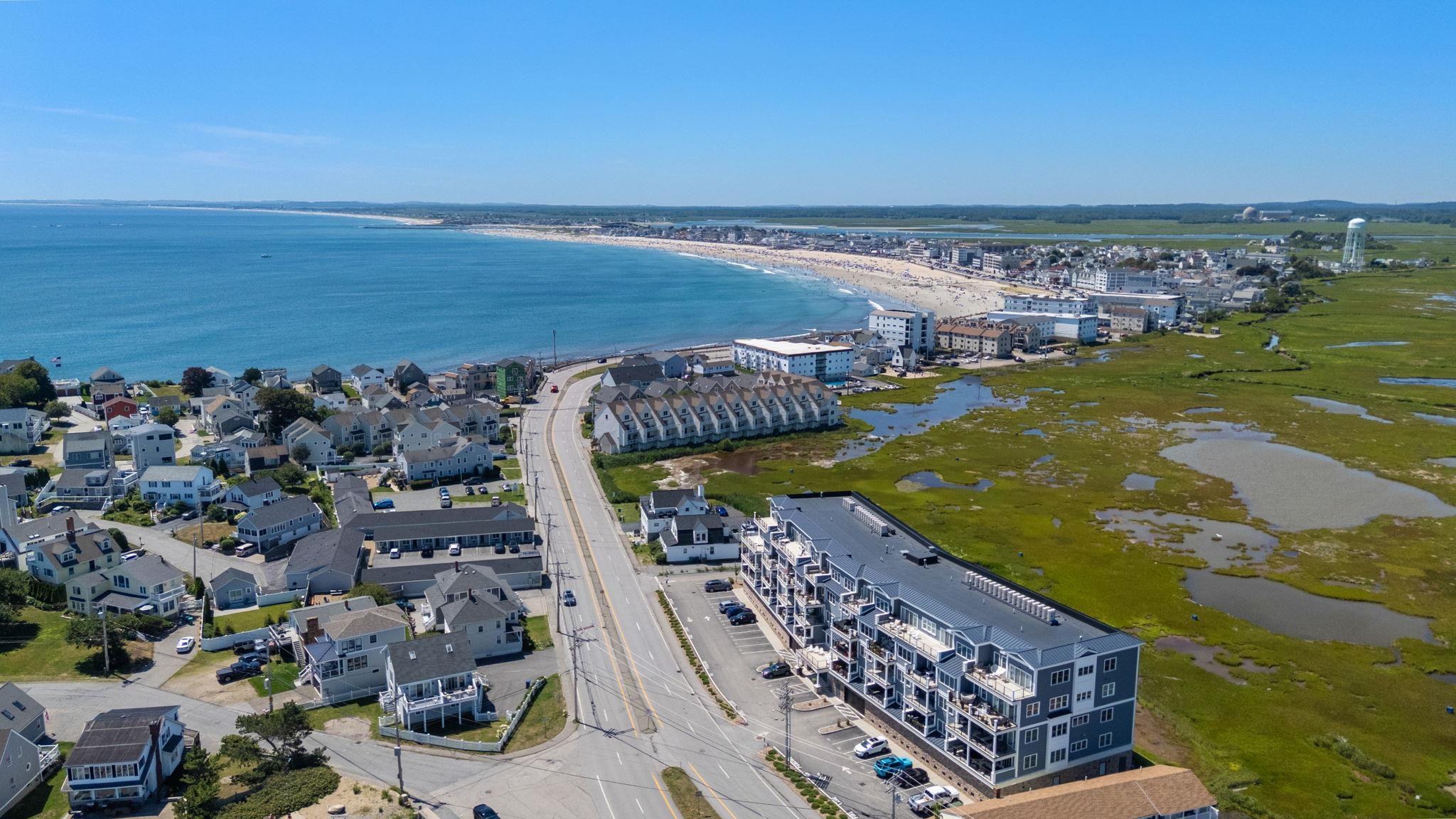
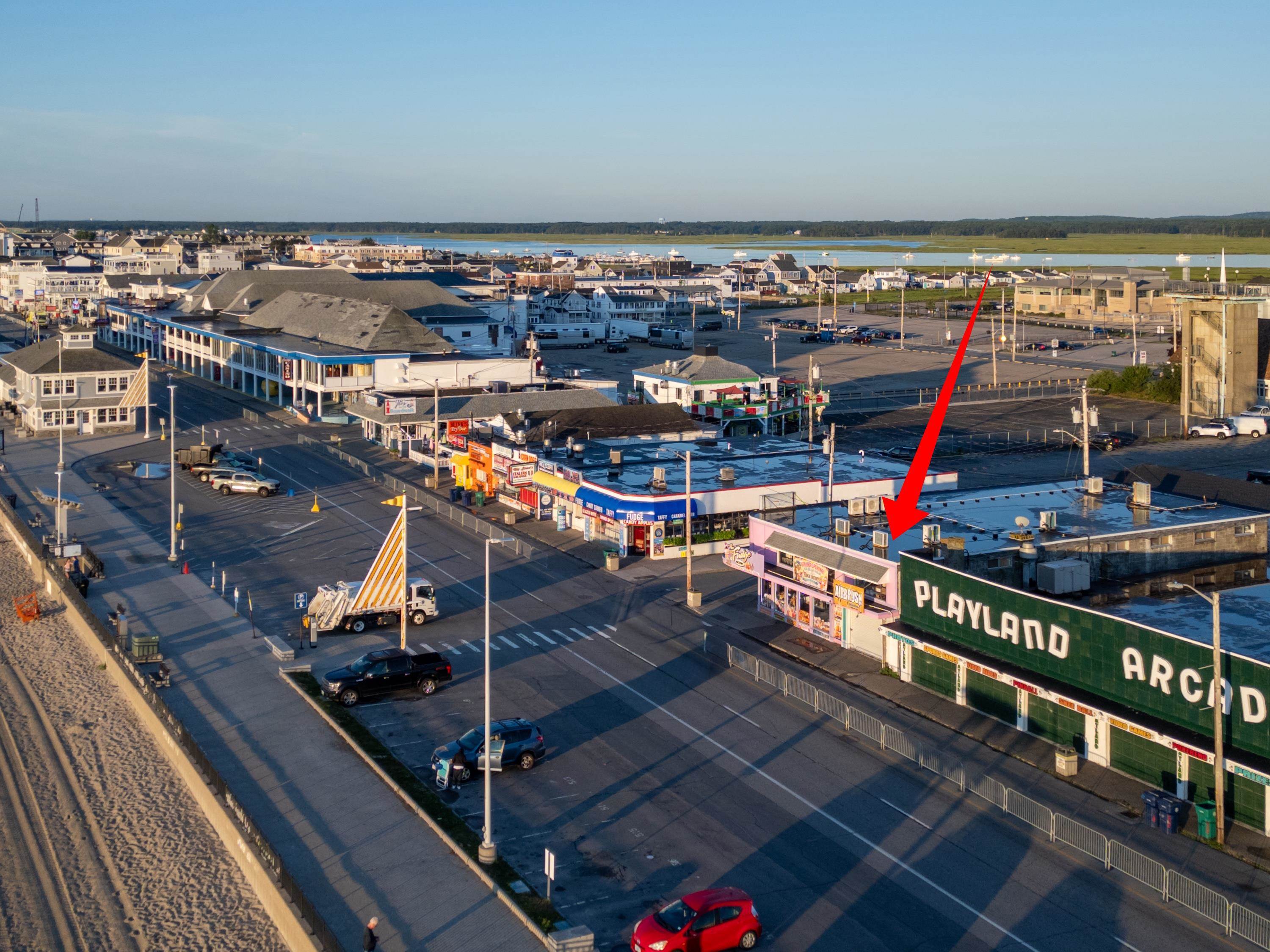
Hampton offers a larger and more varied inventory that includes the dense Hampton Beach district, condominiums, cottages, town-center housing, and inland detached homes. Rye has a smaller active inventory and a different pattern of coastline, residential roads, and lower-density settings. Neither town should be reduced to one lifestyle label.
HouseCanary's August 10, 2026 ZIP reports showed 47 Hampton single-family listings with a $749,900 median asking price and 4.1 months of supply. Rye's 03870 snapshot showed 27 listings, a $1,675,000 median asking price, and 4.2 months of supply. These active-market medians reflect different property mixes and are not direct valuations.
Hampton's snapshot included 58 condominium listings with a $507,400 median asking price. Rye's smaller condo snapshot included 13 listings with a $985,000 median asking price. Buyers should compare individual associations, locations, building forms, insurance, and condition rather than treating each townwide median as a like-for-like comparison.
Both towns require parcel-specific research involving flood mapping, elevation, drainage, wetlands, shoreline exposure, insurance, permits, access, and utilities. The relevant risks and regulatory details can change from one street or parcel to another.
Hampton has direct access to Interstate 95 and Route 101 as well as Routes 1 and 1A. Rye relies more heavily on local roads and Routes 1 and 1A for regional connections. Test actual routes at the times and seasons that matter to you.
Hampton had the lower single-family and condo medians in the August 10, 2026 ZIP snapshots, but the inventories were different in size and composition.
Hampton had more active single-family and condominium listings in the cited snapshot.
A townwide answer would be misleading. Flood zones, elevation, drainage, shoreline conditions, and insurance requirements must be evaluated for each property.
Equal Housing Opportunity. This objective comparison does not rank communities or describe protected-class demographics. Verify all market, municipal, school, insurance, and property information independently.