New - 11 Hours Ago



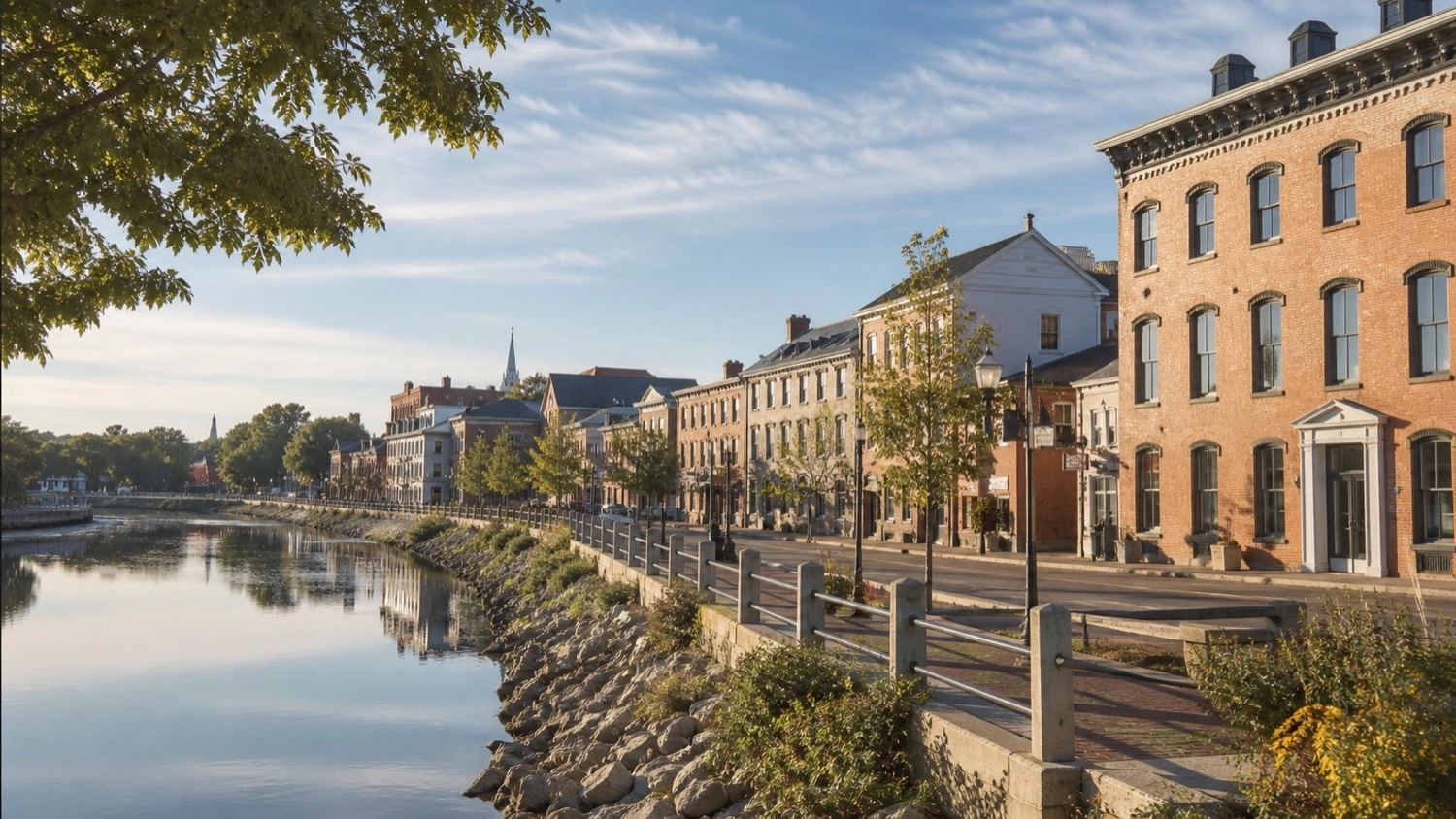
Dover and Rochester anchor two distinct but connected commercial and investment markets in Strafford County. Dover offers a compact historic downtown, mixed-use and multifamily property, waterfront redevelopment, professional space and employment areas. Rochester adds a larger industrial and highway-oriented footprint, downtown revitalization opportunities, retail corridors and advanced-manufacturing locations.
This guide explains how location, zoning, infrastructure, building stock and municipal records affect commercial and investment-property decisions in both cities. It is educational real estate information, not legal, tax, environmental, engineering, lending or investment advice.
Dover and Rochester should not be treated as interchangeable submarkets. Dover's downtown, Cochecho River setting, rail connection and proximity to Portsmouth and Durham can create different rent, parking and redevelopment considerations than Rochester's downtown, Route 11 corridor, industrial parks and larger-format sites.
Define the intended use, customer or tenant base, transportation needs, parking, loading, utilities and expansion requirements first. Then compare properties that can legally and physically support that plan.
Verify the base zoning district, overlays, dimensional standards, permitted uses and prior approvals before relying on an existing occupant or listing description. A current commercial use does not establish that a new business, residential conversion, expansion or site change will be allowed.
Dover publishes its Planning and Community Development resources, ordinance and land-use regulations. Rochester provides a zoning research page with its citywide map, use tables, dimensional tables, GIS and ordinance.
Downtown Dover includes retail, restaurants, offices, apartments and mixed-use buildings. Historic construction, compact lots, shared systems and changing waterfront areas can create both opportunity and additional diligence.
Review leases, parking, deliveries, signs, accessibility, fire and life-safety systems, ventilation, utilities and capital work. Confirm whether a proposed exterior change, conversion or redevelopment requires additional design, site or historic review.
Central Avenue, Dover Point Road, Sixth Street and other commercial or employment settings differ in visibility, access, parcel configuration and neighboring uses. Highway proximity alone does not establish suitable access, circulation or infrastructure.
Analyze curb cuts, turning movements, parking, loading, stormwater, signs, snow storage, water and sewer, power and expansion capacity. The City's GIS resources are useful for preliminary research but do not replace title, survey, engineering or official determinations.
Rochester's commercial market includes downtown buildings, Route 11 retail and service property, industrial and flex space, Granite State Business Park and locations near Skyhaven Airport. The City identifies advanced manufacturing, aerospace and composites among its economic sectors.
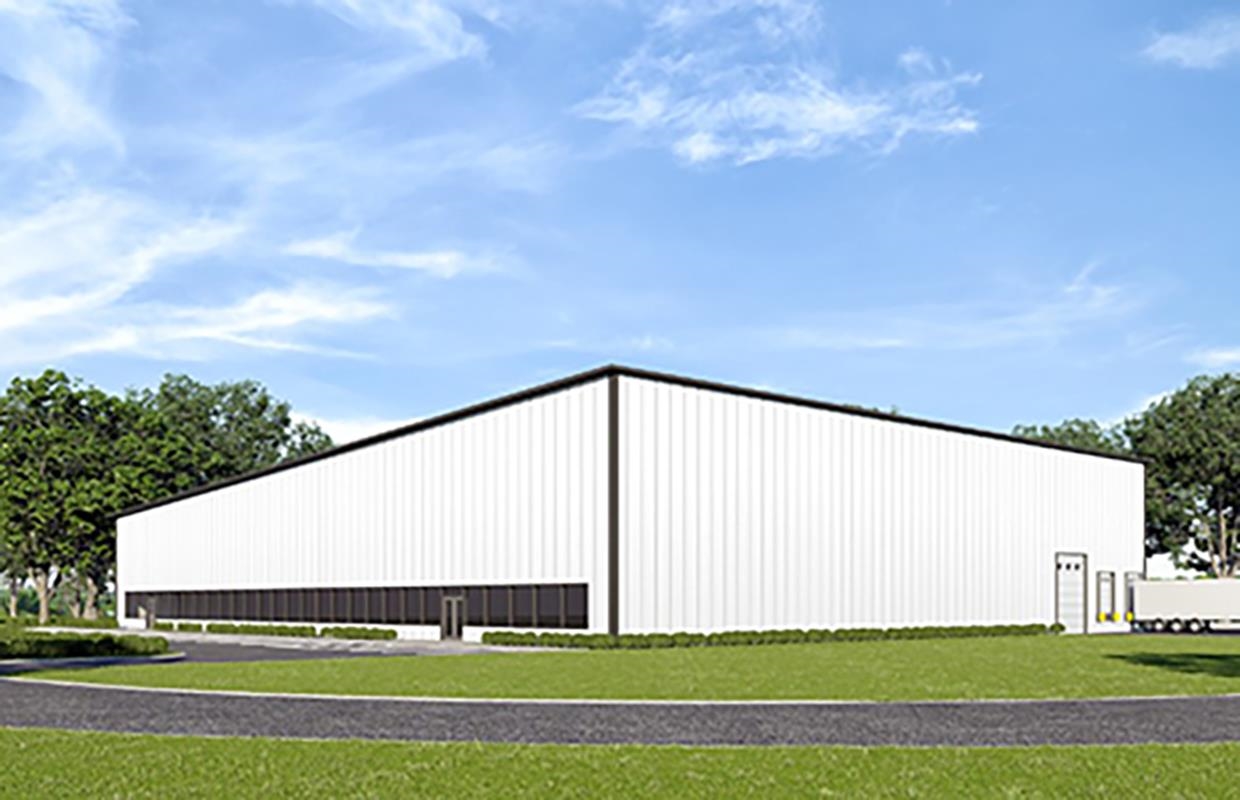
Industrial and owner-user buyers should confirm permitted operations, outdoor activity, loading, clear height, floor loading, power, fire protection, water and sewer, environmental history and future expansion. Engage planning, utility and engineering professionals before treating mapped infrastructure as available capacity.
Downtown Rochester contains older commercial and mixed-use buildings whose economics depend on current collected rent, actual operating costs, physical condition and the scope of rehabilitation. Storefront, upper-floor and residential components should be analyzed separately before combining the projected result.
Rochester has used the state's RSA 79-E community revitalization framework for qualifying projects. Review the City's RSA 79-E information, but do not assume that a property or proposed project will qualify.
Dover identifies Economic Revitalization Zones and downtown revitalization resources. Rochester describes Tax Increment Financing districts associated with Granite State Business Park, Granite Ridge and other development areas.
Use Dover's Economic Revitalization Zone information and Rochester's TIF information for context. Eligibility, timing, funding and transaction value must be confirmed independently; underwrite without assuming a benefit.
Describe the proposed use, employees, customers, deliveries, storage, equipment, hours, signs, parking, power, ventilation, water and sewer demand and future growth. Submit enough operational detail for a meaningful use and permitting review.
Rochester publishes a starting or expanding a business process. The statewide commercial owner-user due-diligence guide provides a broader acquisition framework.
Request leases, amendments, deposits, payment histories, operating statements, utility bills, taxes, insurance, contracts and maintenance records. Separate collected income from advertised rent and seller projections.
Include realistic vacancy, management, routine repairs, owner-paid utilities, snow and grounds care and property-specific capital reserves. Stress-test tenant rollover, lower rent, higher expenses and major work. Continue with the New Hampshire investment-property analysis guide and multifamily hub.
Former industrial, automotive, fuel-storage, dry-cleaning, railroad, fill and waterfront histories may create environmental or flood-related questions. Review historical use, mapped conditions, drainage, wetlands, flood information and insurance implications early.
A Phase I Environmental Site Assessment, survey, wetlands work, flood review or additional investigation may be appropriate. Contract timelines should allow qualified professionals' findings to affect the decision.
Neither is universally better. Dover may fit downtown, mixed-use, professional and proximity-driven strategies; Rochester may fit industrial, highway-oriented, larger-site and value-add strategies. The specific use, property and economics control the decision.
No. GIS is an excellent preliminary research tool, but it does not replace a survey, title work, ordinance review, approvals or a written determination from the appropriate authority.
Generally, analyze the transaction without it first. Add a potential benefit only after confirming eligibility, process, timing, conditions and economic value with the responsible program and advisors.
Use the Dover real estate guide for local context, the Commercial Real Estate hub for owner-user research and the Investment Property hub for underwriting guidance. For a property-specific plan, contact Bean Group.