New - 6 Hours Ago





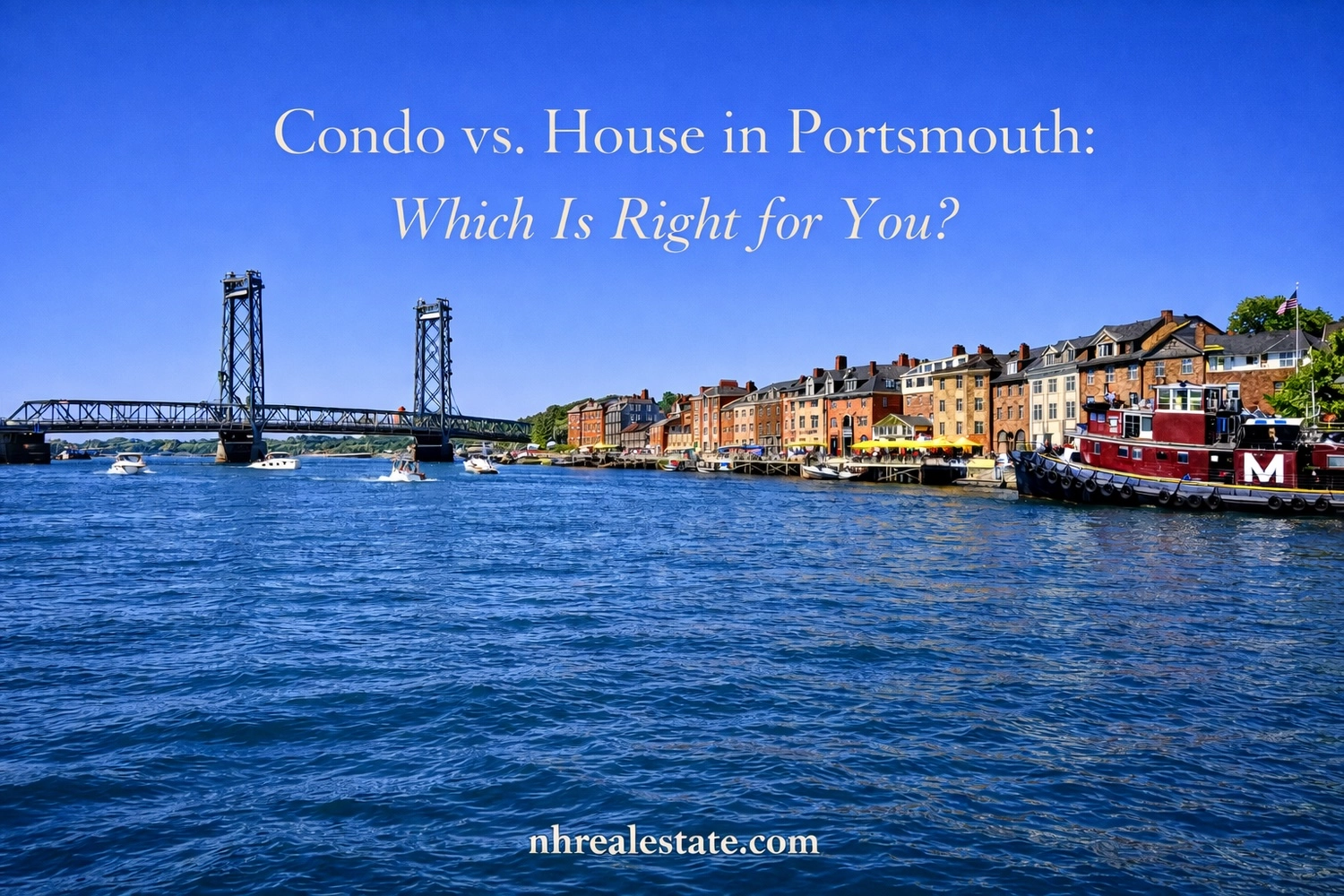
Understanding the financial and lifestyle tradeoffs
It's not actually one choice—it's several overlapping decisions about how you want to live, what you're willing to maintain, where you want to be located, and how much you're willing to spend. The condo-versus-house decision is really where you live plus how you live. Let's untangle it.
Single-family homes in Portsmouth have a median price of $888,000. Condos median at $648,000. That's roughly a $240,000 difference. It's significant. But it's not the whole story.
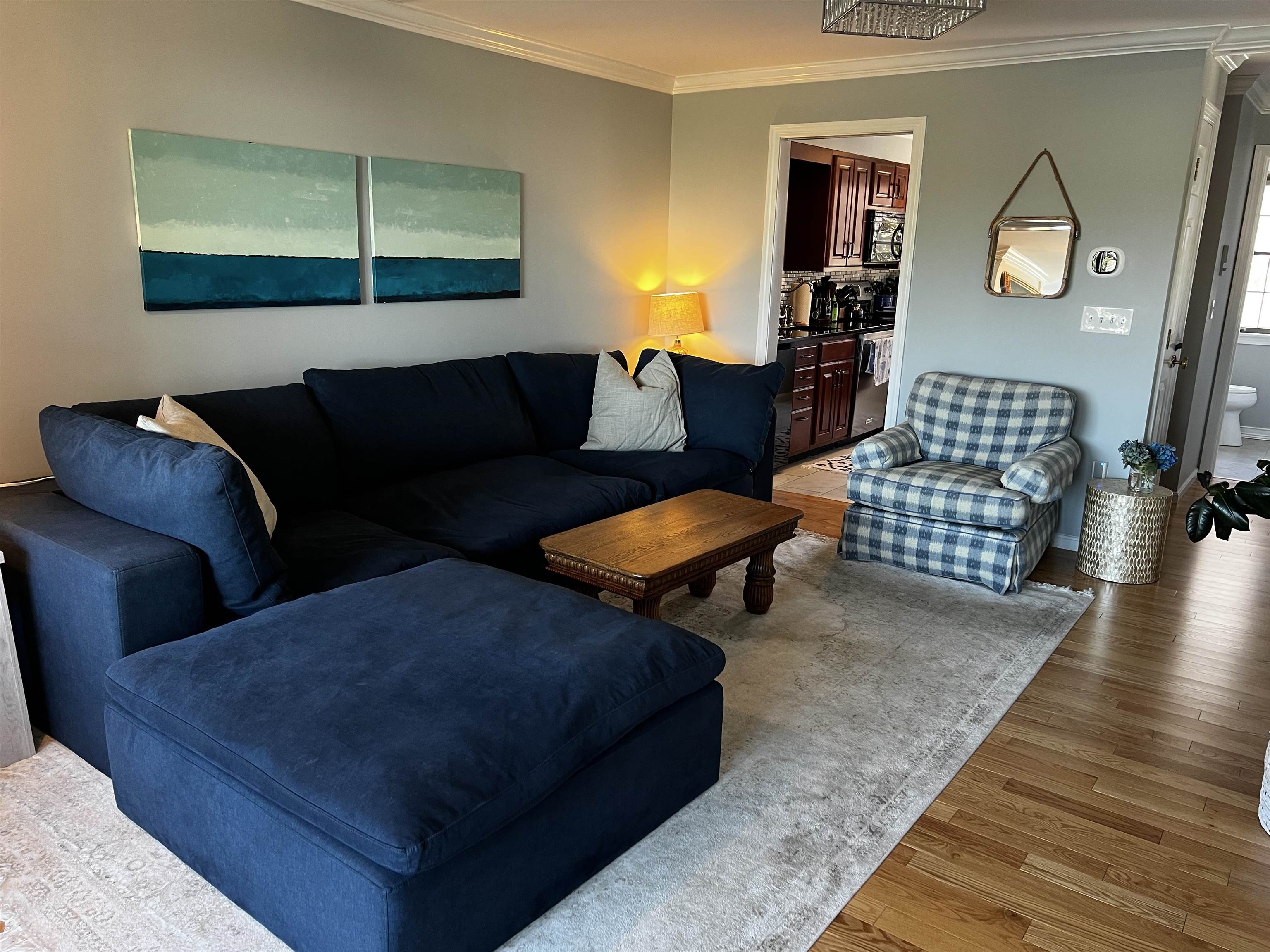
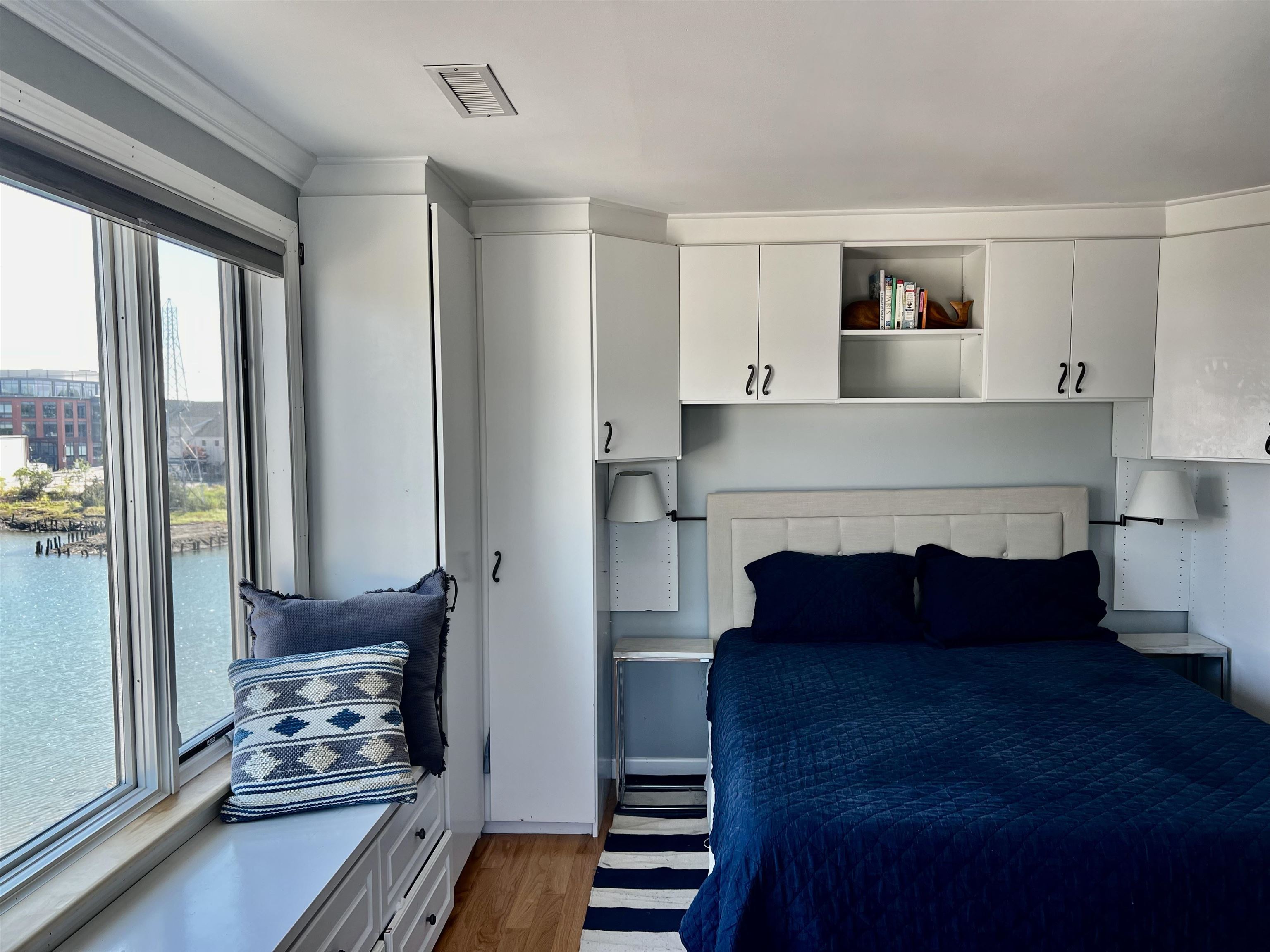
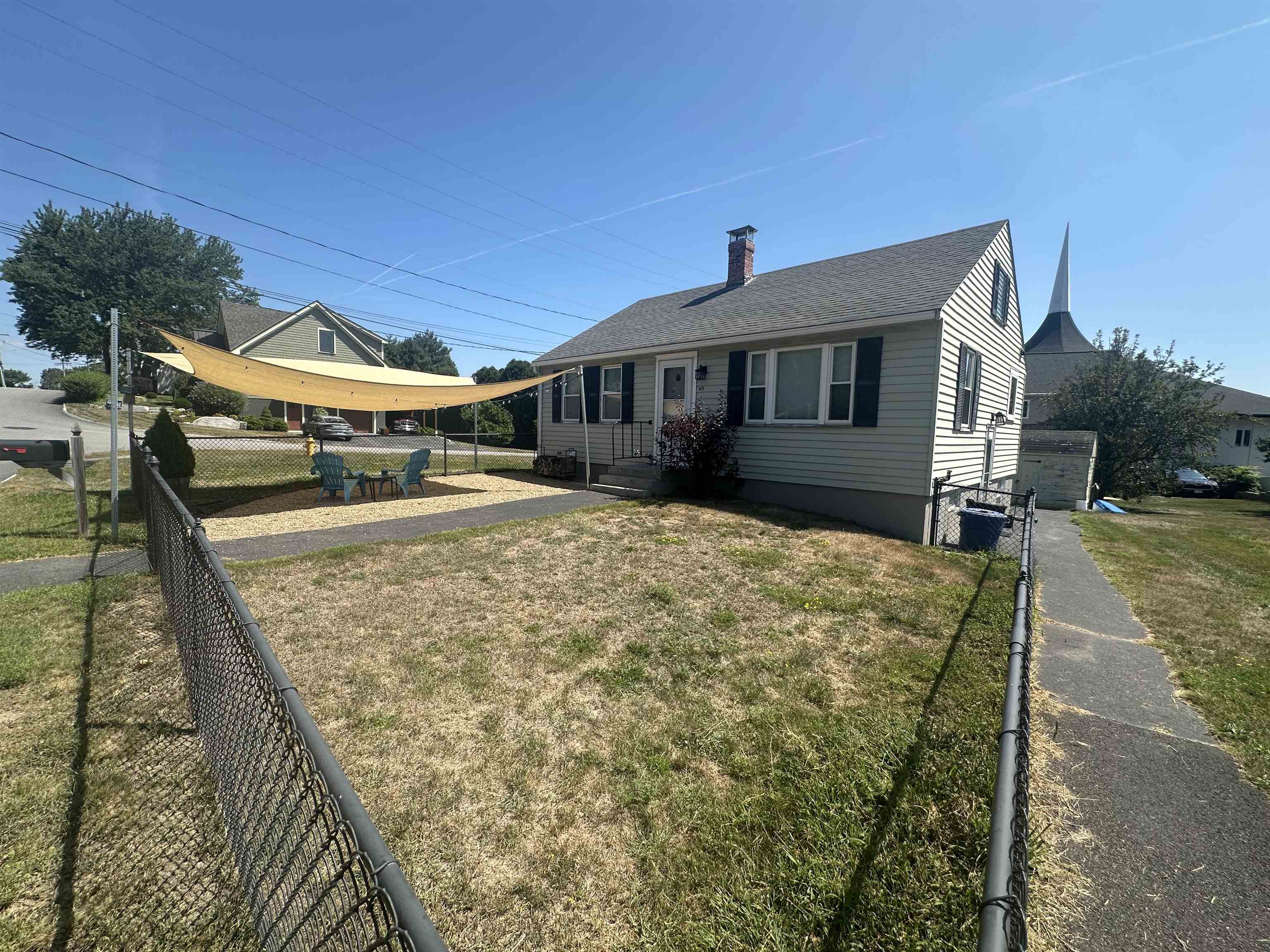
Single-family homes also have a median lot of 0.22 acres and median square footage around 1,620. Condos average 1,152 square feet. You're comparing properties that are fundamentally different—not just in ownership structure, but in size and location.
The price advantage for condos is real, but understand what you're getting: smaller square footage, smaller or no outdoor space, shared walls, and HOA fees. HOA fees typically range from $150 to $400 per month depending on the building and what services are included. Factor that into your monthly housing cost calculation.
In a single-family home, a failing roof is your problem. A cracked foundation is your problem. Replacing the heating system is your problem. In a condo, the building itself (roof, exterior, common systems) is the association's problem. Your problem is your interior and your share of those building costs via HOA fees.
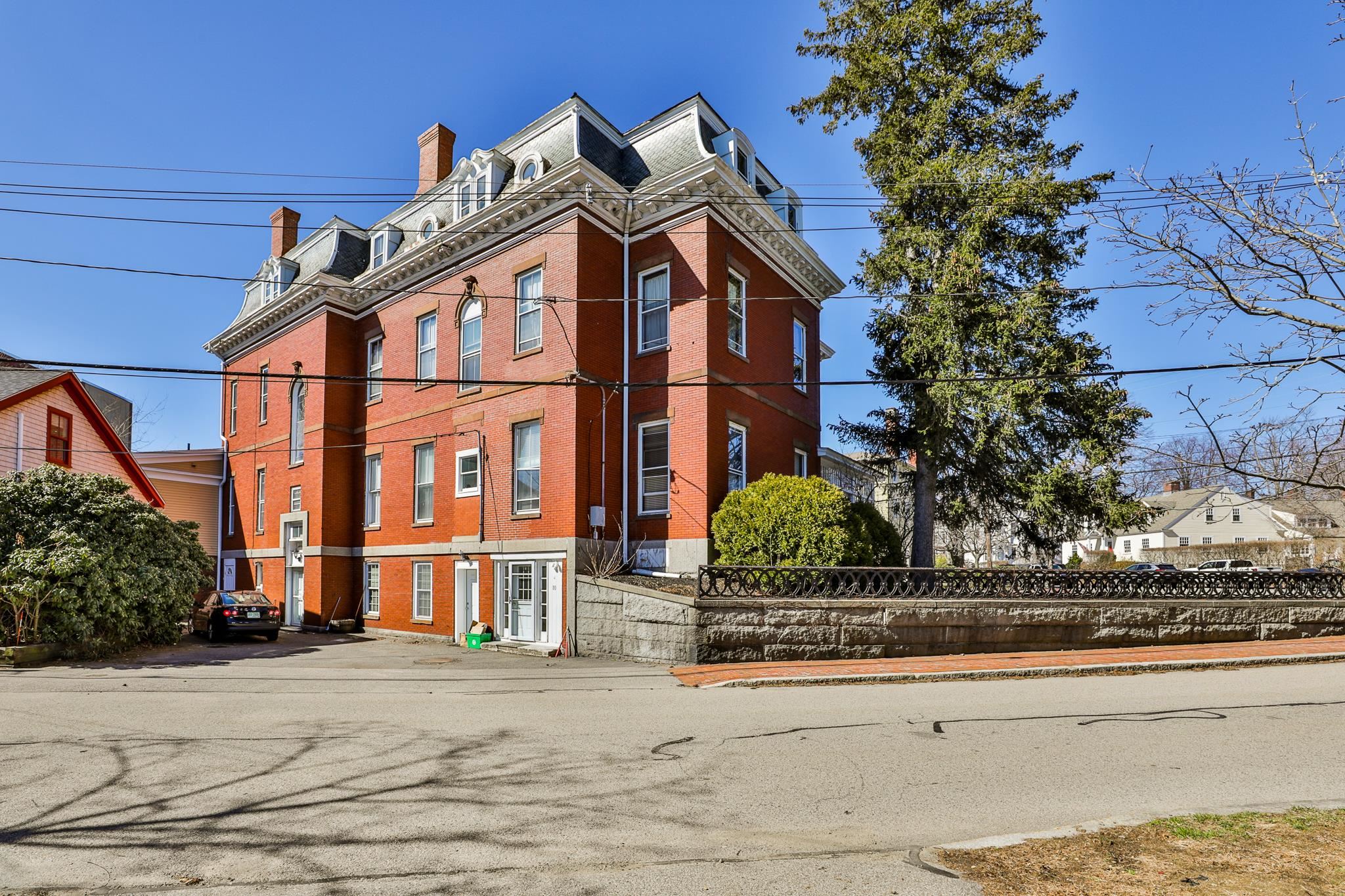
This matters more in Portsmouth than it might elsewhere, because so many of our condos are in buildings older than 100 years. That Historic District condo carved from a 1860s mansion? Beautiful. Expensive to maintain. Your HOA fees reflect that reality.
Single-family homes give you complete control and complete responsibility. You choose your contractor, your materials, your timeline. But you also bear the full cost. A $15,000 roof replacement hits you directly, not split among 8 condo units.
For someone who wants to control every aspect of their home and has the capital to handle major repairs, a single-family home makes sense. For someone who wants predictable housing costs and doesn't want to hire contractors, a condo with stable HOA fees is attractive.
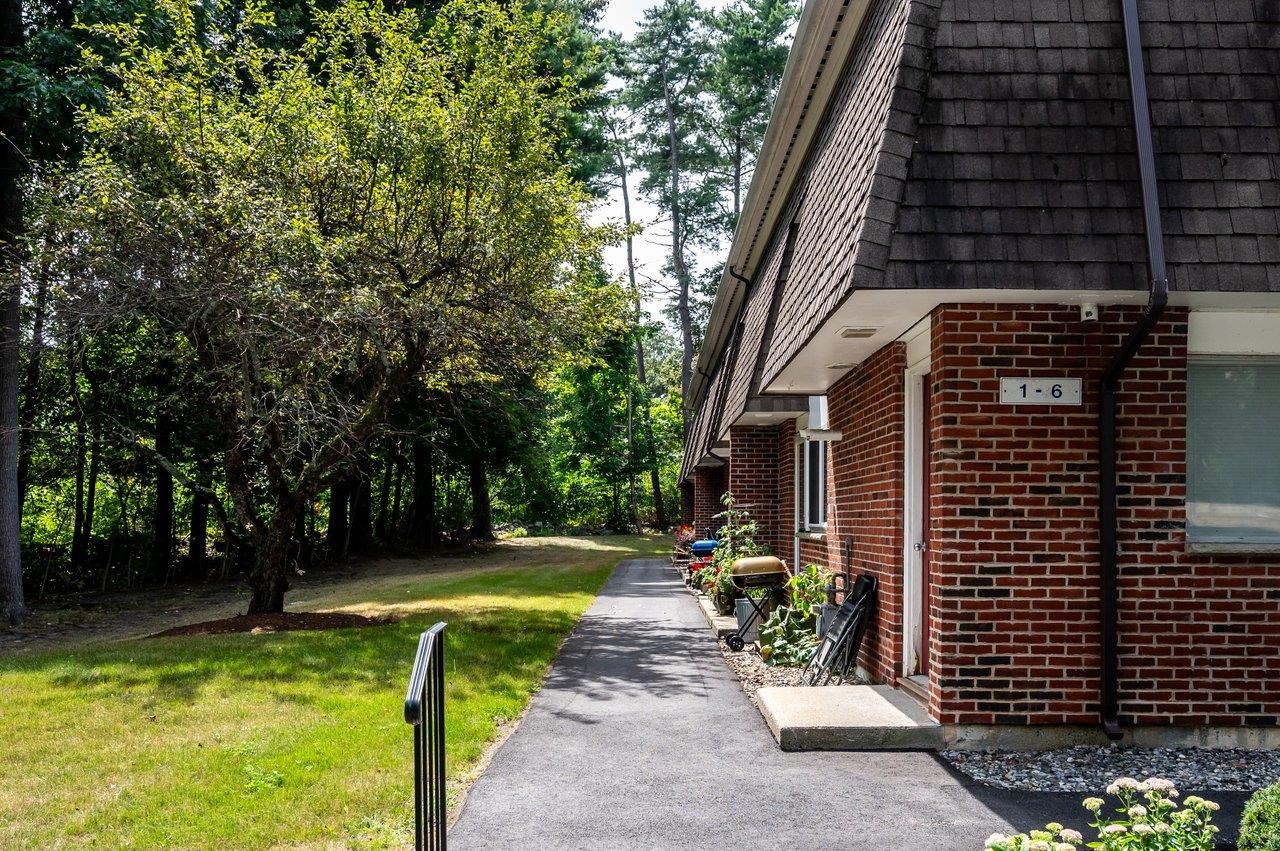
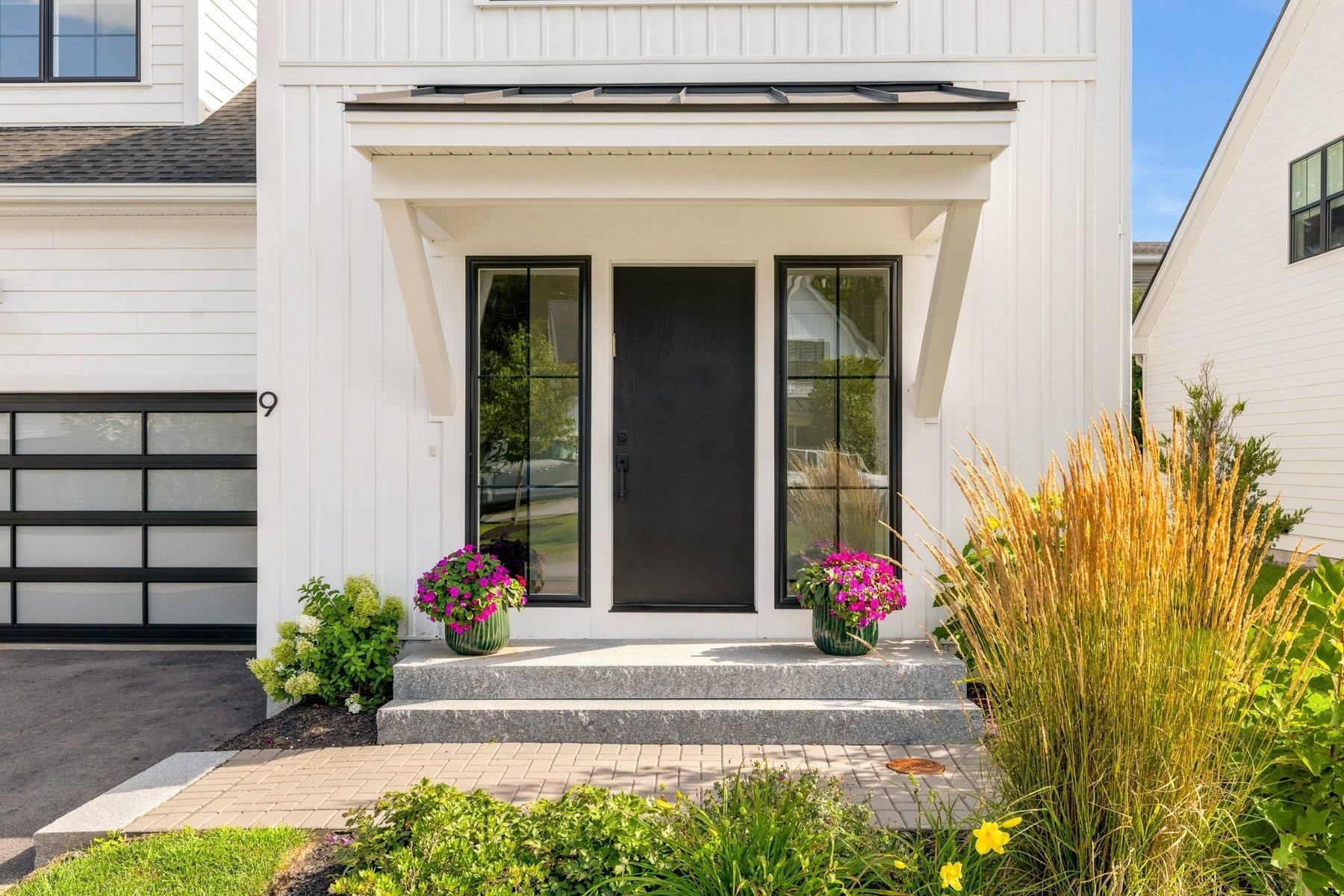
Single-family homes typically come with a yard—sometimes small in Portsmouth, but present. You have outdoor space that's yours. Condos rarely have dedicated outdoor space. Shared courtyards, common areas, no personal garden.
Parking follows the same pattern. Single-family homes usually have a driveway or garage. Condos might have one assigned spot, street parking, or a waiting list for additional spots. If you have multiple vehicles or need reliable parking, this shifts the calculation toward a house.
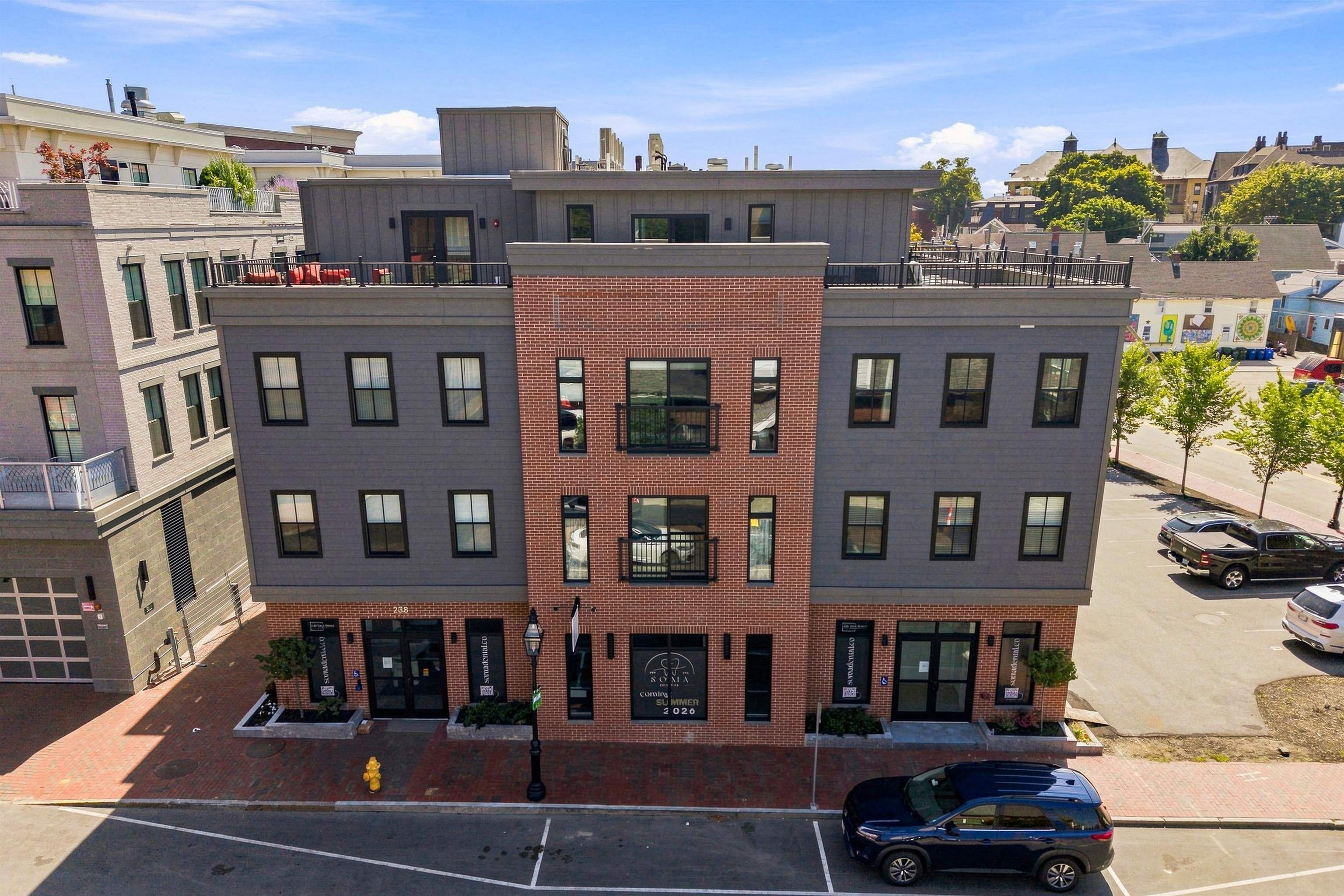
Downtown Portsmouth, where condos are concentrated (46% of downtown is condos), parking is particularly constrained. If walkability matters more than car storage, that's fine. If you have two or three vehicles, downtown condo living becomes complicated.
Condos cluster in certain neighborhoods—especially downtown and the West End. Single-family homes are distributed across the entire city. If you want to live in a specific neighborhood, the condo-versus-house decision might be made for you by availability.
Downtown is 46% condos because of the historic building stock. Single-family homes in downtown are rare and expensive. If you want downtown walkability, you're likely buying a condo (or paying premium prices for a rare single-family home).
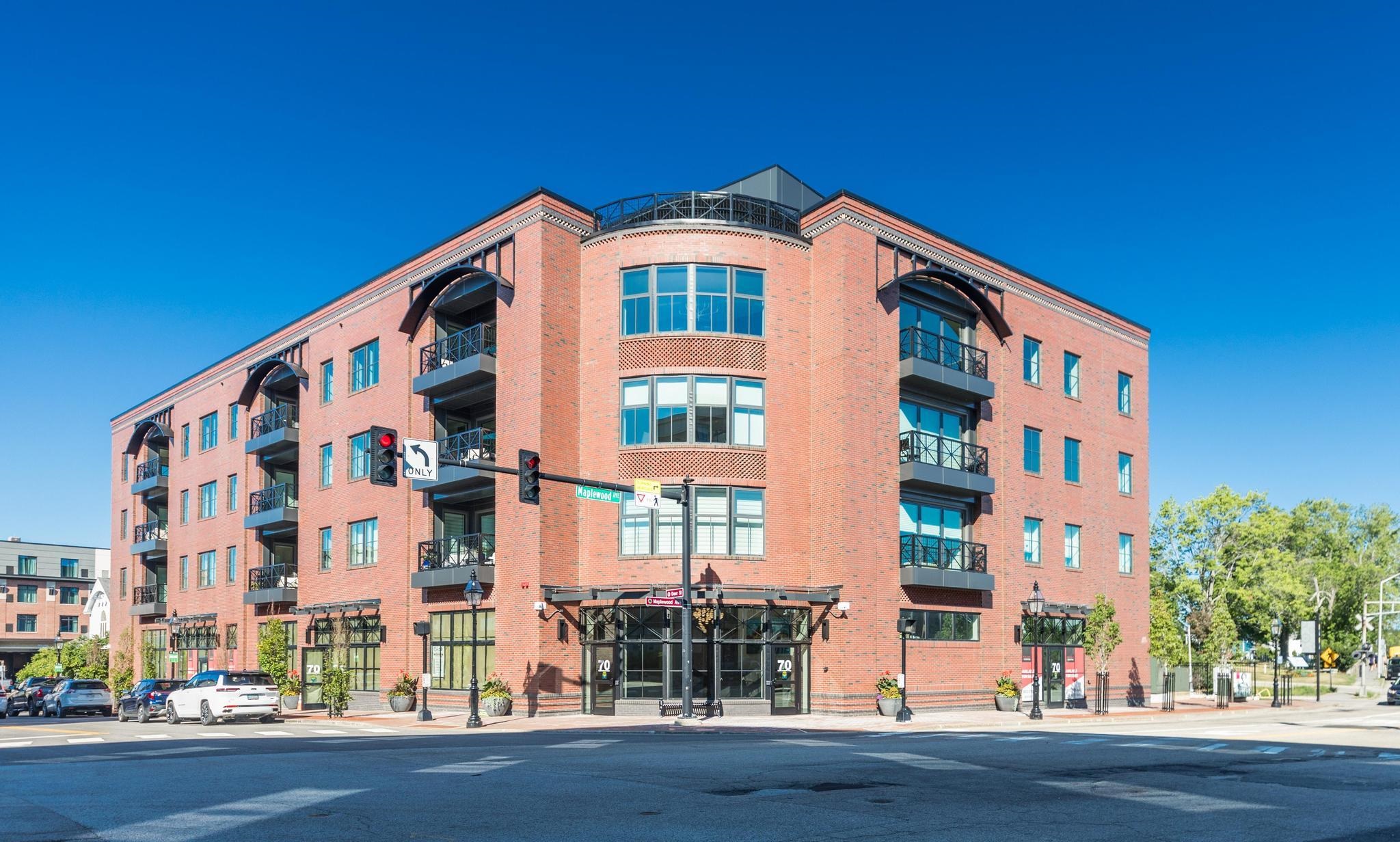
Conversely, if you want to live in, say, the Maplewood neighborhood or the South End away from downtown's core, you're almost certainly buying a single-family home. Condo inventory there is minimal.
Portsmouth has seen significant new construction—301 properties in recent years. Of those, 198 are condos. That's 66% of new development. New single-family construction is rare.
What does that mean? It means the condo inventory is getting fresher. New buildings have modern systems, warranties, and predictable HOA budgets (at least initially). Single-family homes are becoming relatively older. If you want new construction, you're almost certainly looking at a condo.
81% of single-family homes in Portsmouth are owner-occupied. Only 51% of condos are. This matters for neighborhood character and your actual experience living there.
A high owner-occupancy rate generally means more stable neighborhoods, more investment in maintaining properties, and more continuity in community. Condos have a higher percentage of investors and short-term rental units, especially downtown.
If you're buying a condo downtown, understand that you might have short-term rental neighbors. That brings transience and occasionally noise. If you're buying a single-family home in a neighborhood with 80%+ owner-occupancy, you're more likely to have long-term neighbors who maintain their properties.
Single-family homes historically appreciate more reliably than condos. Land value drives a significant portion of that appreciation—you own the land under your house. Condo values are more tied to the building structure and the broader real estate market. When building systems need major replacement, HOA fees can spike, which depresses condo values.
That said, condos in good neighborhoods with stable HOA budgets appreciate fine. And a poorly maintained single-family home depreciates. The quality of your specific property matters more than the category.
If you're buying as an investment property—a rental or a flip—single-family homes typically offer better returns and easier financing for investors. If you're buying to live in and eventually sell, both can work. Just understand the dynamics.
Both single-family homes and condos can be rented. Single-family homes tend to attract longer-term tenants and higher rents. Condos, especially downtown, attract short-term vacation rentals and lower monthly rent but higher occupancy variance.
If you buy as owner-occupied but want the option to rent it out later, understand the rental dynamics of that neighborhood and property type before you buy.
Buy a single-family home if: You want a yard. You want parking for multiple vehicles. You want complete control over your property. You're willing to hire and manage contractors. You want predictable future costs. You value long-term ownership in stable neighborhoods. You want to build equity through land ownership.
Buy a condo if: You want lower purchase price and want to live downtown or in specific neighborhoods where condos cluster. You don't want to manage contractors or maintenance. You want predictable HOA fees. You want smaller square footage and lower utility costs. You're okay with shared walls and community living. You prioritize walkability and location over space.
There's no universal right answer. It's about your lifestyle, your maintenance tolerance, your financial situation, and where you actually want to live. Figure those out first. The condo-versus-house decision follows naturally.
Equal Housing Opportunity
All properties advertised in this article are subject to the Fair Housing Act, which prohibits discrimination based on race, color, religion, national origin, sex, disability, and familial status. Additionally, discrimination is prohibited based on sexual orientation, gender identity, marital status, and source of income under New Hampshire law. Real estate professionals are committed to providing equal opportunity to all persons in the acquisition, disposition, rental, or leasing of real property.