New - 22 Hours Ago
$2,150,000
Active
4
Beds
4
Baths
2900
Sqft
--
Acres
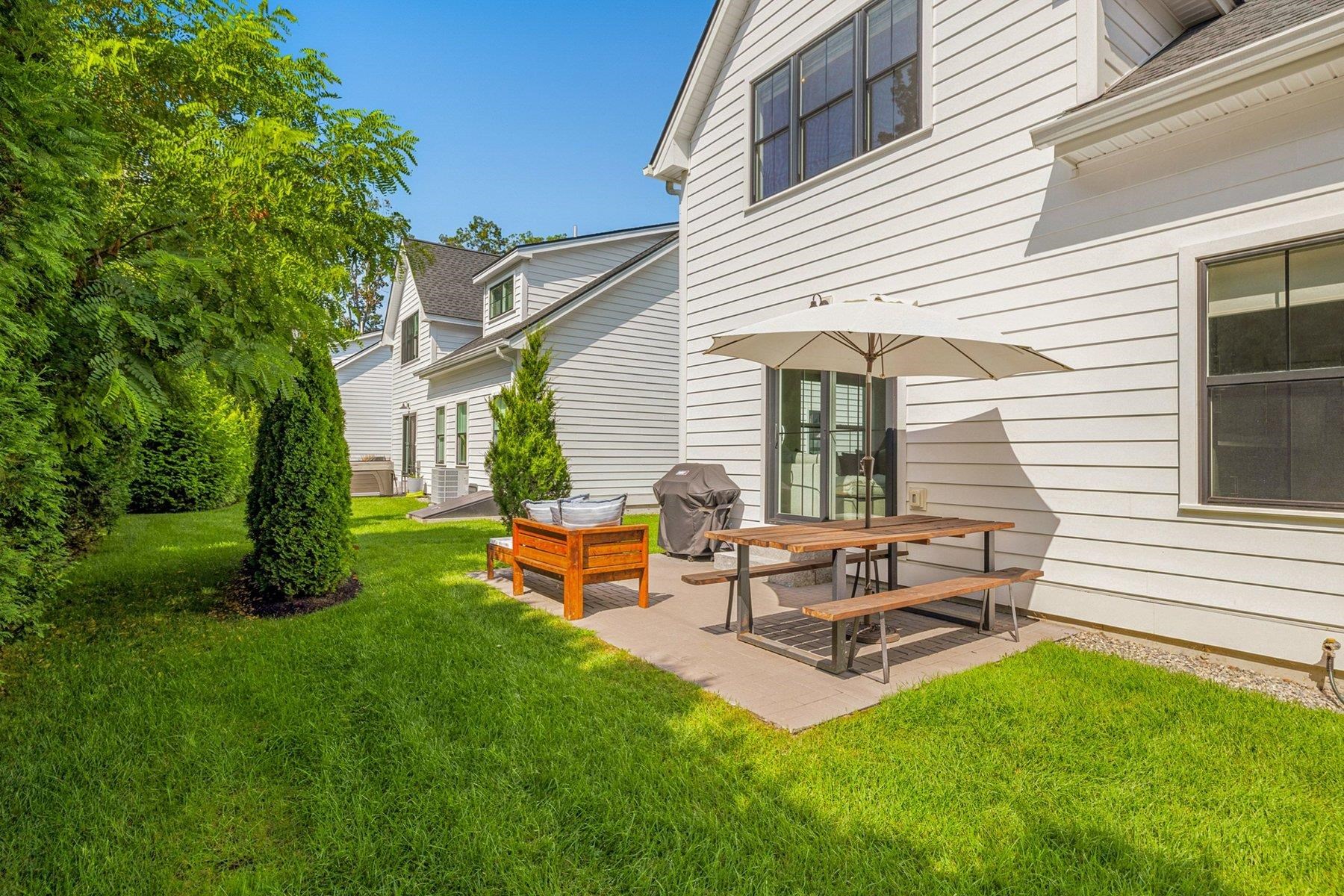
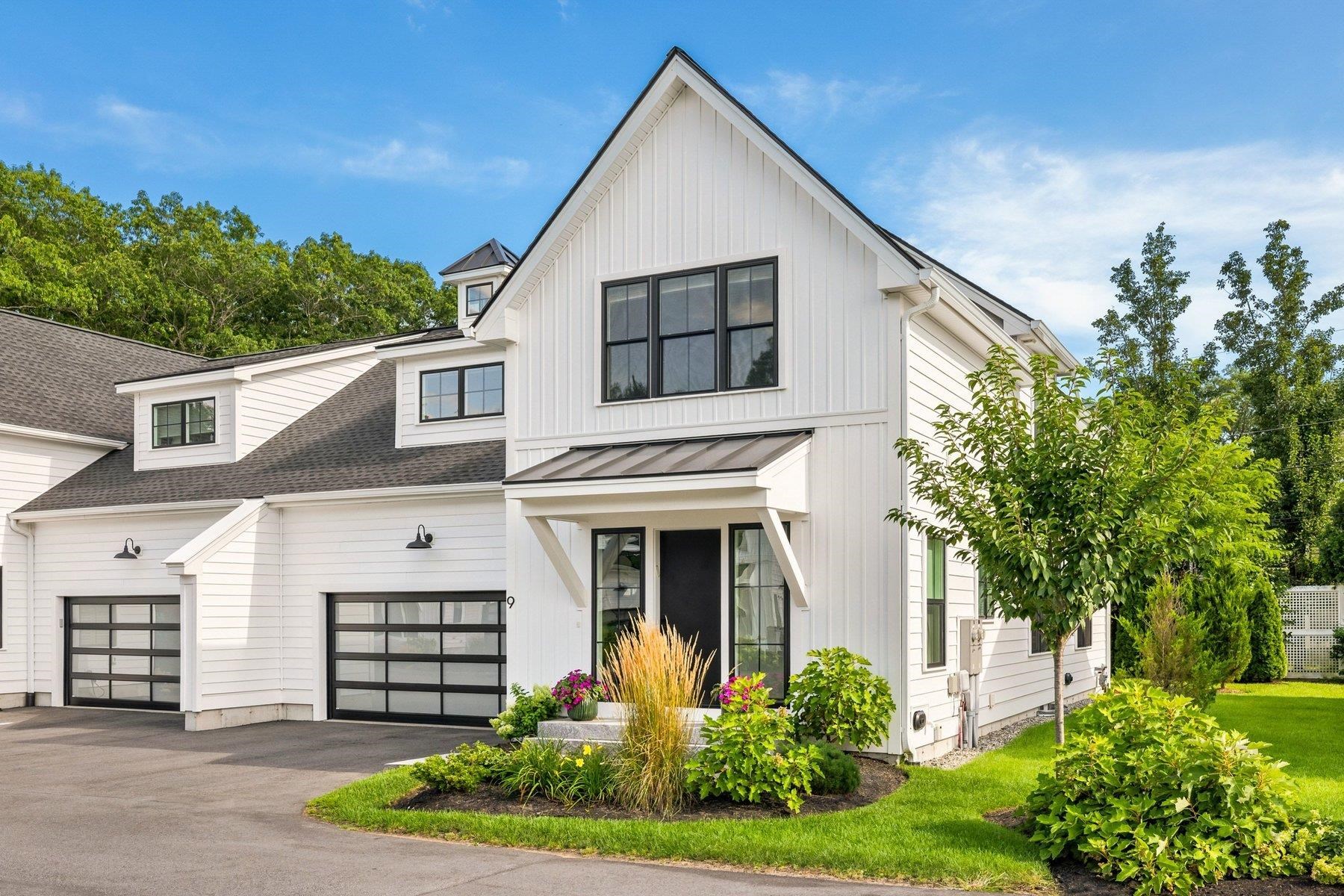
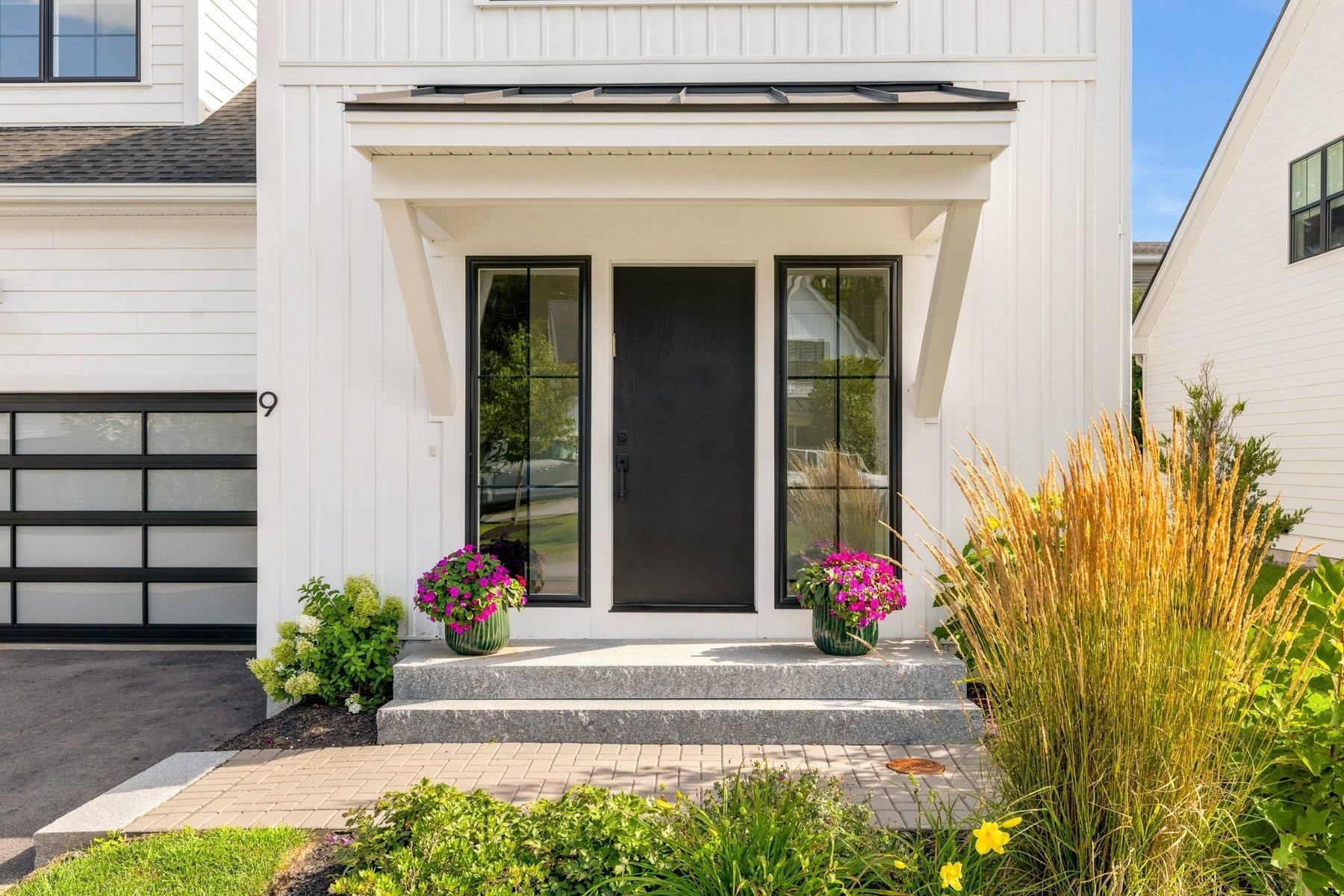
1171 Sagamore Ave #9, Portsmouth, NH 03801
MLS#: 5106137



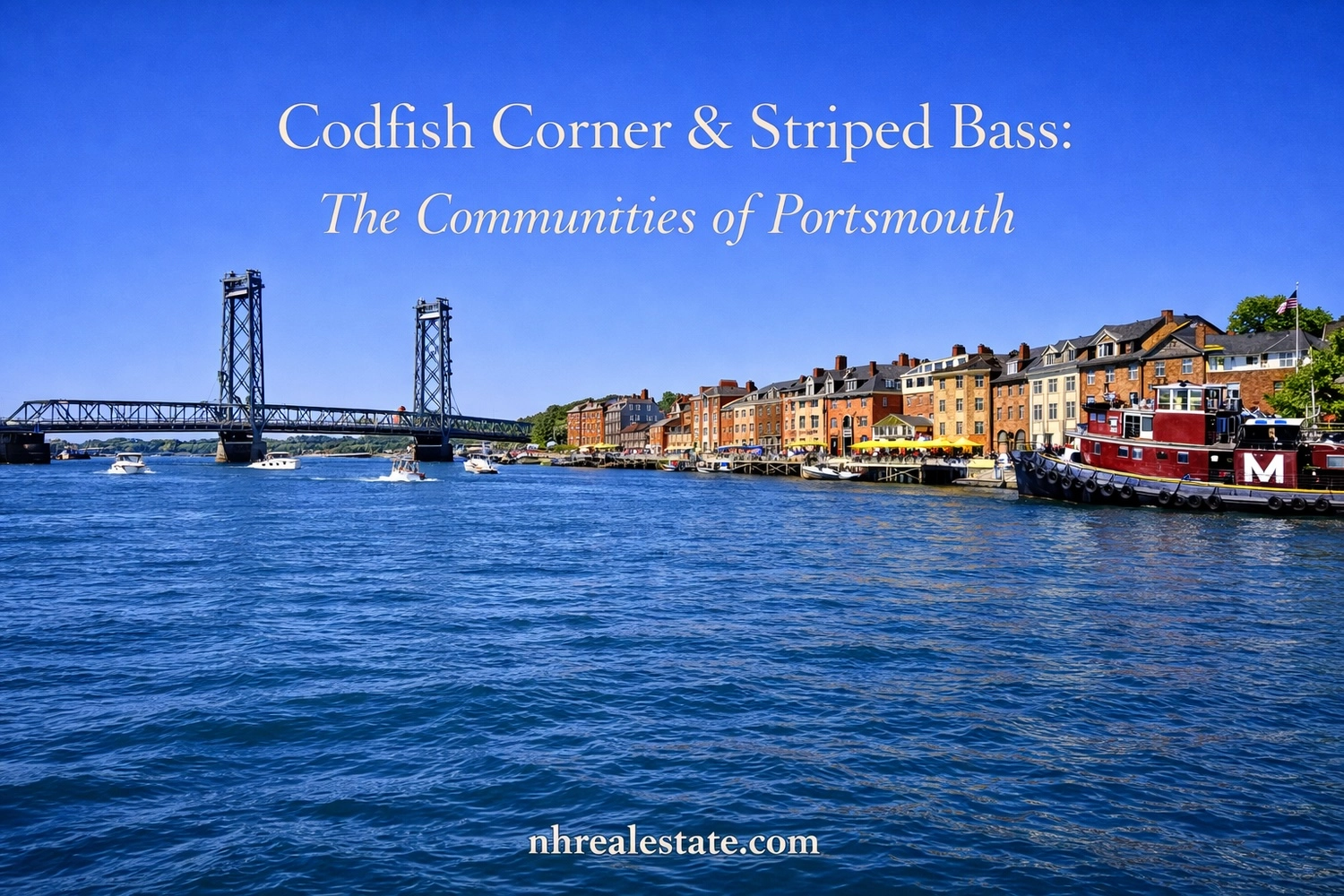
Understanding Portsmouth's two largest manufactured home communities
While Portsmouth's colonial downtown and waterfront neighborhoods typically capture headlines, the city's Route 1 corridor contains quieter residential communities with their own distinct character and appeal. Codfish Corner and Striped Bass Avenue represent Portsmouth's two largest manufactured home communities — 44 and 26 properties respectively — anchoring the city's affordable housing landscape and serving as home to residents who value community connection, affordability, and simplified homeownership.
Understanding what these communities offer — and what daily life looks like within them — requires moving beyond stereotypes about manufactured housing and appreciating the practical reality of how people live affordably in coastal New Hampshire.
Codfish Corner, with 44 manufactured homes, stands as Portsmouth's largest manufactured community. Located on the Route 1 corridor, Codfish Corner has been a fixture of Portsmouth's housing landscape for decades, providing stable, affordable housing to diverse residents. The community's longevity — many homes have occupied the same lots for 20, 30, or even 40 years — speaks to its functionality and appeal.
The community itself occupies approximately 10 to 12 acres organized as an organized residential neighborhood with paved roads, utility infrastructure, and community management. Individual lots typically measure 40 feet wide by 60 to 80 feet deep, providing space for the home itself plus modest landscaping and outdoor areas. The density is intentional — more units per acre than suburban development but less dense than urban apartment blocks.
Homes range from single-wide units (approximately 800 to 1,000 square feet) to double-wide configurations (1,400 to 2,000 square feet). The variety reflects decades of community evolution — some homes date to the 1970s and 1980s, while others are more recent. Individual homes vary in condition and modernization level, with some having received recent renovations while others retain more vintage character.
The community character emphasizes accessibility and practicality. While Portsmouth's historic neighborhoods boast architectural distinction and waterfront prestige, Codfish Corner prioritizes straightforward residential living. Streets are tree-lined (mature oaks and maples have developed over decades), with modest setbacks creating definition between public and private spaces. The overall impression is of a functional, well-maintained neighborhood without pretense.
Striped Bass Avenue, with 26 units, represents a smaller community with distinct identity. Located in proximity to Codfish Corner but maintaining separate management and governance, Striped Bass offers a more intimate neighborhood scale. Many residents report knowing neighbors by name and engaging in informal social connection — the kind of community interaction that larger neighborhoods often struggle to foster.
The smaller size means fewer units seeking parking, fewer voices in community decisions, and greater visibility of individual homes and their maintenance. This creates either cohesive pride or noticeable inconsistency, depending on resident buy-in and management oversight. Codfish Corner's larger size allows management to enforce standards more systematically; Striped Bass's success depends more heavily on community self-governance and mutual commitment.
Both communities combined house 70 properties valued at a median of approximately $289,000 to $398,000 depending on individual unit condition and vintage. This combined inventory represents roughly one-third of all manufactured homes in Portsmouth and underscores the significance of these two communities in the city's housing landscape.
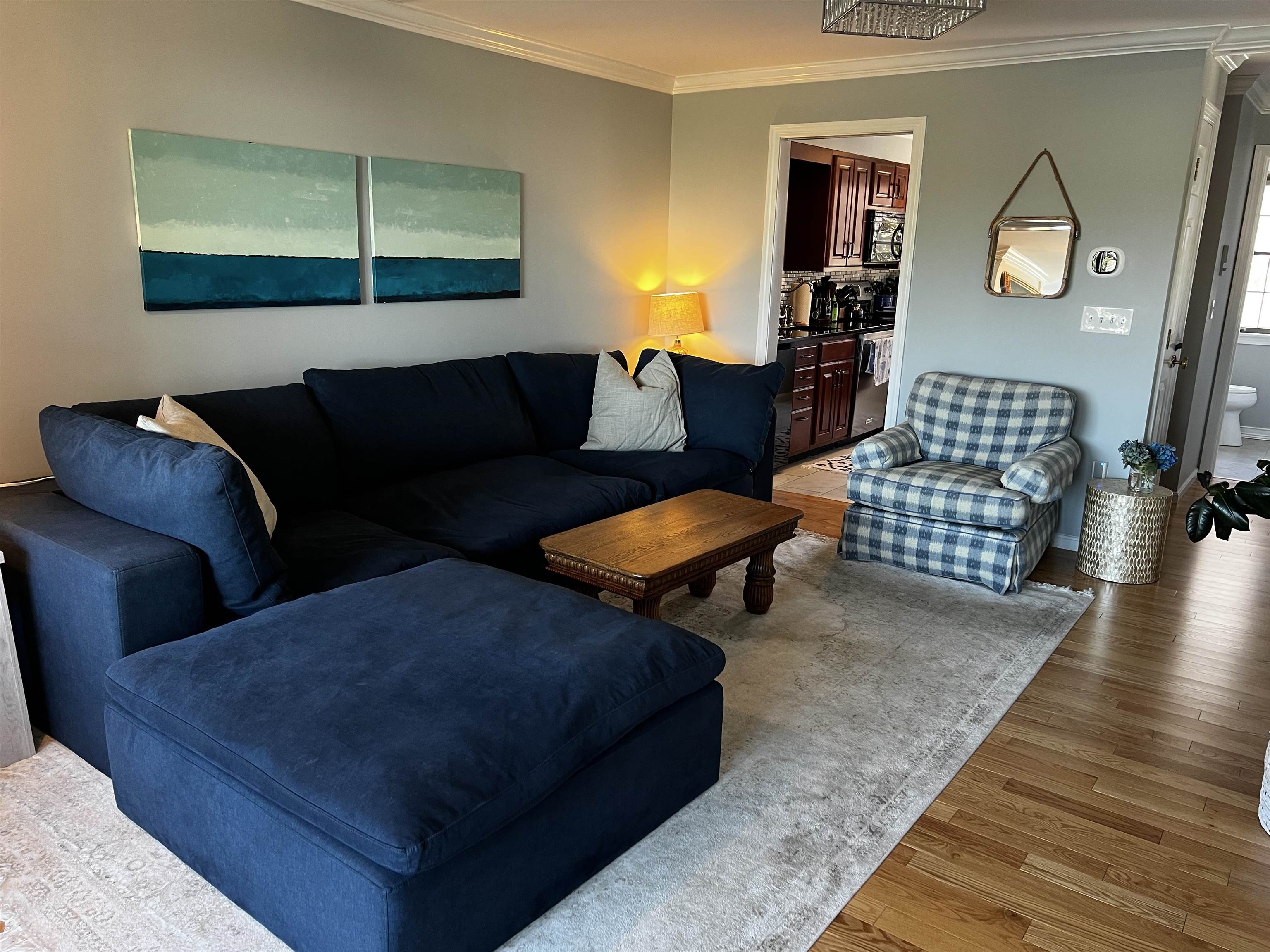
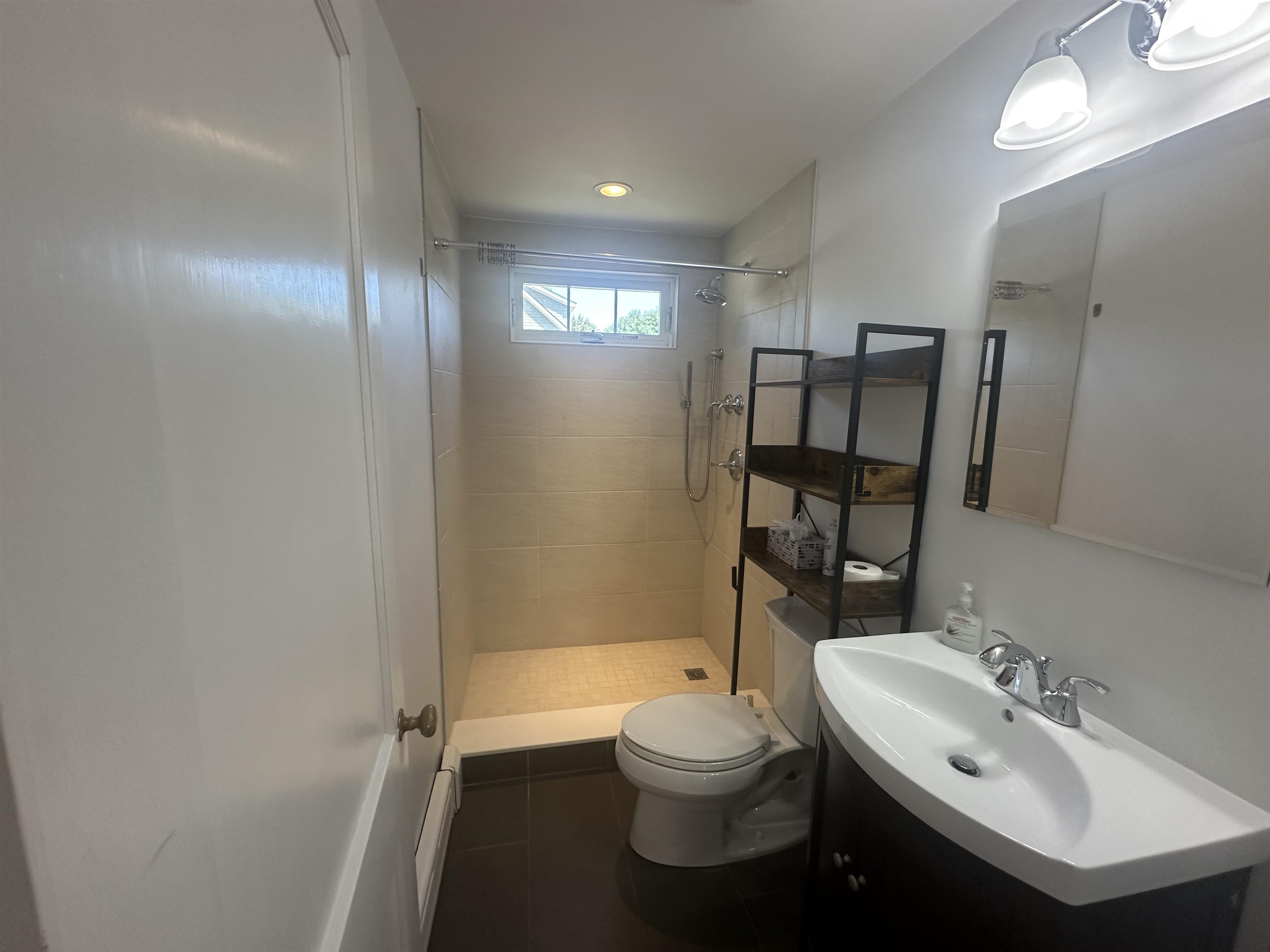
Both Codfish Corner and Striped Bass contain examples of modern manufactured homes that bear no resemblance to stereotypical "trailers." Many are double-wide units with: open floor plans featuring living areas that flow seamlessly, modern kitchens with granite countertops and stainless steel appliances, bathrooms with contemporary fixtures, laminate or vinyl plank flooring, and exterior finishes (vinyl siding, metal roofing) that mimic site-built construction aesthetics.
The interiors of well-maintained modern units rival site-built homes in quality and functionality. The primary structural difference — factory fabrication versus on-site construction — is invisible to occupants. Wall finishes, flooring, cabinetry, and appliances are indistinguishable from site-built homes in the $250,000 to $400,000 range.
Older homes in both communities — those built in the 1970s and 1980s — reflect design aesthetics of those eras: more compartmentalized floor plans, smaller rooms, lower ceilings, and dated finishes. However, even these homes, if well-maintained mechanically, remain functional and comfortable. Many residents have invested in cosmetic upgrades — new flooring, paint, kitchen improvements — that enhance livability without requiring structural changes.
Both communities occupy the Route 1 corridor, which provides efficient access to regional employment and services. Pease Tradeport is approximately 5 miles north, placing communities within a 10-minute commute for many employment centers. The University of New Hampshire Portsmouth campus is roughly 3 miles south. Downtown Portsmouth's commercial and cultural offerings are approximately 2 miles south, accessible by car or by bicycle on established routes.
Route 1 itself is Portsmouth's primary commercial corridor, with grocery stores, pharmacies, retail outlets, and restaurants within immediate proximity. This accessibility is meaningful: residents need not drive extensively or navigate complicated local roads to access essential services. The trade-off is proximity to a moderately busy highway, which brings both traffic noise (manageable with modern building materials and landscaping) and air quality considerations that some residents find acceptable in exchange for convenience.
Public transportation is available via COAST (Cooperative Alliance for Seacoast Transportation), with bus routes connecting communities to downtown Portsmouth and surrounding areas. While car ownership is practically necessary for most residents, the public transit option provides safety net access for those unable to drive or preferring not to on specific occasions.
Manufactured home communities differ from traditional single-family neighborhoods in lot organization. Lots are typically rectangular, with home positioned parallel to the street and oriented frontally rather than setback. This arrangement maximizes density while maintaining individual lot definition. Average lot widths are 40 feet, providing space for the home itself, a modest driveway (usually gravel or asphalt), and small yard areas front and rear.
Parking is typically unassigned street parking or assigned lot-adjacent spaces. This differs from single-family neighborhoods where private driveways accommodate multiple vehicles. For single-vehicle or single-driver households, this is unproblematic. For families with multiple vehicles, it can be constraining.
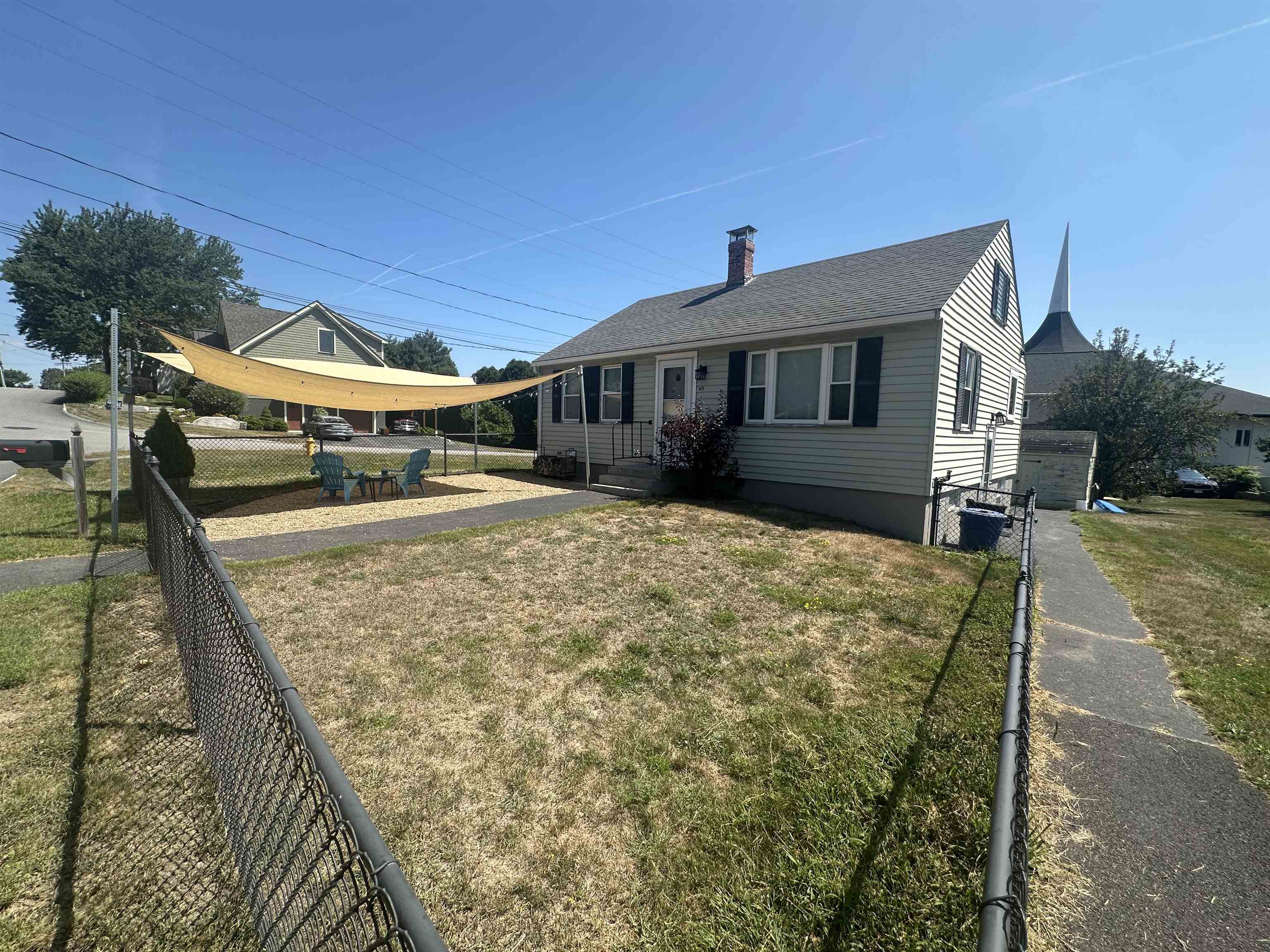
Outdoor spaces include small yards, typically fenced or with hedging for privacy definition. Many residents invest in landscaping — flowers, shrubs, small gardens — that softens the manufactured home aesthetic. The result, when maintained, is pleasant residential streetscapes with green space, though less expansive than traditional suburbs.
Both communities maintain common spaces: green areas, community buildings, and recreational facilities. These vary by community and management priority. Well-maintained communities invest in grounds-keeping, creating pleasant visual environments. Less-maintained communities may show deferred care that impacts overall aesthetics.
Both Codfish Corner and Striped Bass are managed by professional management companies or owner-operators who collect lot rent, maintain community infrastructure, and enforce lease provisions. This professionalization means consistent rule application and infrastructure maintenance — roads, utilities, common areas are managed rather than left to individual discretion.
Community rules typically cover: home exterior standards (color, siding condition, roofing), yard maintenance requirements, pet policies, vehicle restrictions, and use of common areas. These standards, while initially restrictive-sounding, serve important functions: they preserve community appearance, prevent blight, and maintain property values.
Many communities organize resident associations that advocate for community interests, organize social events, and represent resident concerns to management. Active associations strengthen community connection and give residents voice in decisions affecting their neighborhoods.
New Hampshire law provides manufactured home resident protections, including lease renewal rights, due process for disputes, and limits on rent increases. Understanding these protections and your specific community's lease terms is essential before committing to residence.
Communities like Codfish Corner and Striped Bass typically house diverse resident populations: working families seeking affordable homeownership, semi-retired or retired residents on fixed incomes, service industry workers, healthcare professionals, teachers, and others for whom housing affordability is the primary driver of location choice. This demographic diversity creates vibrant, functional communities rather than single-demographic enclaves.
The community feel differs materially from both urban apartments (anonymous, transient) and sprawling suburbs (privacy-focused, disconnected). Many residents report genuine neighborhood interaction, informal social networks, and sense of belonging. For those valuing community over isolation, or those for whom structured living appeals, this is a significant advantage.
Turnover is typically moderate — not as low as stable homeowner neighborhoods, but higher than single-family communities. Some residents remain 20+ years; others stay 5 to 10 years before moving to other housing types. This moderate turnover brings both fresh perspectives and established community knowledge.
Living in Codfish Corner or Striped Bass means accepting certain trade-offs: proximity to Route 1 traffic (mitigated but present), manufactured home depreciation expectations (you build equity through payment, not appreciation), ongoing lot rent obligations (typically $400 to $700 monthly), and rules limiting home modification. These are not insignificant considerations, and potential residents should enter with realistic expectations.
However, the compensating advantages are substantial: homes priced at or below $300,000 on average, monthly housing costs (mortgage plus lot rent) typically below $1,800, built-in community structure and connection, managed infrastructure and grounds, and genuine homeownership and equity building. For many residents, these trade-offs represent genuine value.
Resale considerations matter. If you purchase expecting to remain 5+ years, market dynamics are less concerning. If you anticipate moving within 2 to 3 years, understand that resale will take longer and likely at lower prices than you paid. This time-horizon consideration is essential to sound purchase decision-making.
Anyone considering manufactured home purchase should spend time in communities during different times of day: weekday mornings (work commute dynamics), weekend afternoons (community feel and activity), and early evenings (resident activity patterns). Look for: property maintenance quality, road conditions, common area upkeep, and resident interaction. These observations reveal community character more accurately than any description.
Speak with current residents about satisfaction, management responsiveness, lot rent history, and any community issues. Long-term residents often provide honest assessment of community trajectory and operational quality. New residents provide fresh perspectives on current market conditions.
Request comprehensive documentation: lease terms, current and historical lot rent, management company contact information, rules and restrictions, and community financial health (for communities with resident associations). Understanding these fundamentals before purchase is essential.
Codfish Corner and Striped Bass Avenue represent Portsmouth's working-class housing landscape — practical, affordable communities that provide homes to residents who might otherwise struggle with housing affordability in this desirable region. These communities are not glamorous, but they are functional, well-established, and genuinely valuable for those seeking genuine homeownership and community connection at prices consistent with middle-class incomes and savings capacity.
Equal Housing Opportunity
The Bean Group supports the Fair Housing Act and the Fair Housing Amendments Act. We are committed to equal housing opportunity for all persons, without regard to race, color, national origin, religion, sex, familial status, disability, age, marital status, sexual orientation, or gender identity as protected under New Hampshire's civil rights laws (RSA 354-A). All housing is advertised without regard to these protected classes. Anyone believing they have experienced housing discrimination is encouraged to contact the New Hampshire Commission for Human Rights at (603) 271-2767 or the U.S. Department of Housing and Urban Development at 1-800-669-9777.