


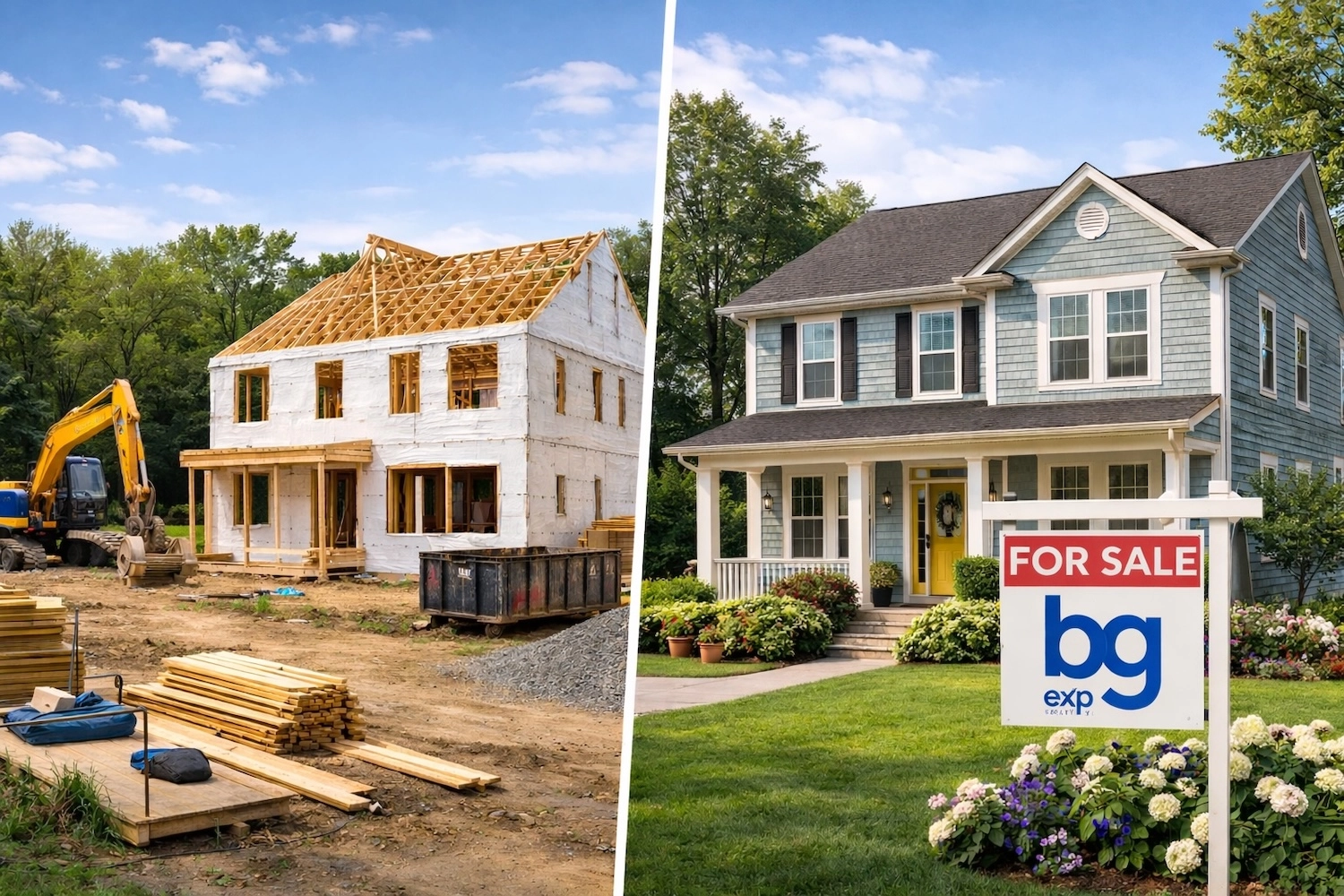
Deciding whether to build a brand-new house or purchase an existing home is one of the biggest choices prospective homeowners face. In New Hampshire, where landscapes range from coastal towns to rolling farmland and mountain lake retreats, the decision is even more nuanced. The right choice hinges on your personal priorities—speed, customization, neighborhood feel, budget, and appetite for uncertainty. This guide explores the pros and cons of building and buying in the Granite State, explains how costs and timelines differ, and offers a step-by-step process for each option.
When Buying Makes Sense
Buying a home often appeals to those who want to settle quickly and avoid the complexities of construction. In New Hampshire, the existing housing stock spans historic colonials, mid-century ranches, modern condominiums, and everything in between. Choosing a resale property can offer several clear advantages.
Speed of move-in: Once you find a home, you can typically close within 30 to 60 days. This is appealing if you need to relocate for work, get kids settled before the school year, or simply don’t want to rent while waiting for a build. Cash buyers can close in as little as two weeks.
Known costs: With a purchase, you see the final price up front. Inspection contingencies give you a window to evaluate the condition and negotiate repairs, and a preapproval letter clarifies your monthly mortgage. There are fewer surprises compared to building, where costs can shift due to materials, labor shortages, or site conditions.
Established neighborhoods: Existing homes are located in mature communities with finished infrastructure—paved roads, landscaping, and public utilities. You can evaluate traffic patterns, school ratings, and neighborhood character before committing. Many new builds, by contrast, sit on the outskirts or in developing subdivisions where amenities take time to mature.
Historical character and charm: For buyers drawn to the patina of an antique farmhouse or the architectural details of a Victorian, building new won’t replicate that. Historic homes in Portsmouth, Exeter, and Amherst carry stories that new construction simply cannot.
Buying also makes sense when inventory offers what you need. While New Hampshire’s statewide supply remains tight at roughly two months of inventory—well below the five to seven months considered a balanced market—the landscape is improving. As of late 2025, statewide listings were up about 17% year over year, with over 4,500 homes available for sale. If there’s an updated home in your price range and preferred town, building may not deliver enough added value to justify the effort.
When Building Wins
Building a home is a compelling option for buyers who want control over design, energy performance, and location. New Hampshire has numerous custom builders and modular companies offering plans from rustic cabins to sleek contemporaries. Building may be right for you if:
Customization is paramount: You can lay out spaces according to how you live, choose finishes that fit your taste, and incorporate features like a main-level primary suite or cathedral ceiling that might be rare in existing homes. Custom builds are ideal for homeowners with specific accessibility or multigenerational needs.
Energy efficiency matters: New construction must meet current building codes and offers an opportunity to exceed them with high-performance insulation, advanced HVAC systems, and modern windows. Well-sealed homes cost significantly less to heat during New Hampshire’s long winters. Estimates suggest new builds can save 30% to 50% on utility costs compared to older homes—savings that compound over decades of ownership.
Location control: When you build, you pick the lot. Want a south-facing view of the White Mountains? Prefer a wooded parcel with privacy near a lake? Land selection gives you the freedom to choose acreage and orientation that existing inventory can’t deliver. This is particularly attractive in rural areas like the Lakes Region and Monadnock where large tracts are still available and land costs are significantly lower than in the Seacoast corridor.
Low maintenance: New materials and systems mean fewer immediate repairs. A new roof, furnace, and septic reduce the risk of sudden major expenses during the first decade of ownership. Modern building products—from composite decking to fiber-cement siding—can also be more durable and require less upkeep than what you’ll find in older homes.
On the flip side, building requires patience and planning. Weather delays, supply chain disruptions, and permitting issues can extend timelines. Upfront costs to prepare the land and secure a construction loan may be higher than a conventional mortgage, and there’s inherent uncertainty around well yield, site conditions, and final budget.
Breaking Down the Costs
Comparing costs between buying and building isn’t straightforward because the line items differ significantly. Here’s how to think about it in New Hampshire’s current market.
Buying an existing home: The statewide median sale price for a single-family home reached a record $535,000 in 2025, up 3.9% over 2024. In the Seacoast region (Rockingham County), medians run considerably higher—around $689,000 for single-family homes. In more rural counties like Coos, the median sits closer to $252,000. When you buy, the cost of land, septic, well, and site work are already baked into the price.
Building a new home: In 2025, construction costs in New Hampshire range from roughly $175 to $300 per square foot for a standard custom build, with high-end custom homes pushing $350 to $400 or more per square foot. For a 2,000-square-foot home at an average of $238 per square foot, construction alone runs approximately $476,000—before land, site work, or contingencies. A realistic total budget for a mid-range custom home on its own lot, including land, site preparation, construction, allowances, landscaping, and contingencies, can easily reach $600,000 or more.
Site work—the wild card: Clearing trees, grading, removing stumps, blasting ledge, drilling a well, installing a septic system, and building a driveway can run from tens of thousands to over $100,000. Soil conditions, slope, and access drive these costs. Builders strongly recommend conducting a feasibility study—including perc tests and well yield tests—before closing on land to identify potential complications.
Allowances and change orders: Builders quote a base price that includes standard finishes and allowances for cabinets, counters, flooring, lighting, and fixtures. If your taste runs toward quartz countertops or hardwood floors throughout, make sure the allowance is realistic. An allowance of $5,000 for kitchen cabinets may cover stock options but not custom millwork. Exceeding allowances results in change orders that can significantly increase the final price.
Contingencies: Material costs fluctuate, and labor shortages can arise suddenly. Many builders include escalation clauses that allow them to pass along increases beyond a certain threshold. It’s wise to build a 10–15% contingency into your budget. Buying an existing home typically doesn’t require this level of contingency, though you may need to set aside funds for updates after closing.
Understanding Timelines
Timing is one of the clearest differences between the two paths.
Buying an existing home: Once your offer is accepted, expect a 7- to 10-day period for inspections and due diligence, followed by mortgage underwriting and appraisal. Most conventional loans close in 30 to 45 days. Statewide, homes spent an average of about 25 days on market before going under contract in 2025—down from years past, though up slightly from the frenzy of 2021–2022. Overall, you could be moving in within a couple of months of writing an offer.
Building a new home: A custom build involves several phases. After land purchase, you’ll work with an architect or builder to design plans (weeks to months), then navigate permitting—which varies by town and may include septic approval, driveway permits, and wetlands review. Once construction begins, New Hampshire’s weather can impact progress, particularly during winter and mud season. From land purchase to move-in, expect a timeline of 9 to 12 months for a standard custom home. Complex builds, challenging lots, or permit backlogs can extend this further.
Managing Risk and Due Diligence
Whether buying or building, thorough due diligence protects your investment.
For buyers: Hire a reputable home inspector who will evaluate structural elements, roofing, mechanical systems, and potential safety issues like radon—which is common in New Hampshire’s granite bedrock. Research neighborhood trends: how are home values trending? Are there pending zoning changes or developments planned nearby? Review property history through title search, disclosures, and past permits to surface any unresolved issues.
For builders: Perform land feasibility tests before closing on a parcel. Perc tests for septic, well yield tests, and soils analysis inform both design and cost. Engage a surveyor to confirm boundaries. Vet your builder thoroughly—ask for references, visit completed projects, and discuss how they handle change orders and supply delays. Understand that each New Hampshire town has different requirements for building permits, septic, and road access; factor these timelines and fees into your plan up front.
Risk management also includes financial safeguards. Don’t overextend yourself—remain comfortable with your loan payments even if rates fluctuate. Keep reserves for emergencies. And if building, negotiate a fixed-price or capped-price contract that limits cost escalations while still allowing fair adjustments for unforeseen circumstances.
Financing: How the Loans Differ
Buying: Conventional loans are popular for their lower total costs once you reach a 20% down payment (no private mortgage insurance). FHA loans permit down payments as low as 3.5%, though they come with mortgage insurance premiums. VA loans offer 0% down with no PMI for eligible veterans, and USDA loans support rural home purchases with income limits—an option that’s particularly relevant in much of northern and western New Hampshire. As of early 2026, mortgage rates for a 30-year fixed loan are hovering in the mid-6% range, which significantly impacts monthly payments and purchasing power. The NH Association of REALTORS reported the state’s 2025 affordability index at just 58, meaning the median household income covers only 58% of what’s needed to qualify for the median-priced home under current rates.
Building: Construction-to-permanent loans fund periodic draws as the builder completes phases. During construction, you typically make interest-only payments on the amount drawn. Once the home is complete, the loan converts to a permanent mortgage. This two-phase structure helps manage cash flow but requires more paperwork and oversight. Interest rates for construction loans tend to be slightly higher due to the increased lender risk. Budget for closing costs on both the land purchase and the construction loan, and compare at least two lenders—construction loan terms can vary widely.
Step-by-Step: Buying an Existing Home
- Define your budget and priorities: Meet with a local lender to determine your buying power. Decide what matters most—location, size, school district, architectural style—and be prepared to adjust if you can’t get everything on your wish list.
- Select a seasoned agent: Partner with a REALTOR® who knows your target towns and can alert you to new listings quickly. In a market with just two months of inventory, this relationship is crucial.
- Tour properties and act decisively: Visit homes that meet your criteria and be ready to write an offer when you find one you love. Understanding comparable sales helps you set a competitive yet informed offer price.
- Negotiate contingencies: Typical contingencies include financing, home inspection, and sometimes the sale of your existing home. Work with your agent to balance protecting yourself with making your offer attractive.
- Conduct due diligence: Arrange inspections, review HOA documents (for condos), and confirm insurance availability. Address major issues through repair requests or renegotiation.
- Close and move in: Once your loan is approved and contingencies are satisfied, sign closing documents, receive the keys, and plan your move.
Step-by-Step: Building a New Home
- Secure financing and budget: Obtain a preapproval for a construction-to-permanent loan and determine your overall budget—including land, site work, and a 10–15% contingency.
- Find the land: Work with an agent or search listings for parcels that meet your location, size, and zoning needs. Verify availability of utilities or plan for well and septic.
- Conduct due diligence: Hire professionals to test soils, percolation, and water capacity. Research building restrictions, road frontage requirements, and environmental factors.
- Choose a builder and design: Interview multiple builders, review sample homes, discuss your must-haves, and compare estimates. Decide whether to design a custom plan or modify an existing model.
- Finalize plans and permits: Work with your builder and possibly an architect to finalize drawings. Submit permit applications, which may include septic design, driveway permit, and any wetlands or conservation approvals. Permit fees in New Hampshire typically range from $500 to $3,000 depending on the municipality.
- Break ground and monitor progress: Once permits are approved, your builder will excavate, pour foundation, and frame the structure. Attend site meetings, review work, and confirm finish selections as deadlines arise.
- Complete inspections and close: Town building inspectors will verify compliance at key stages. When the home is complete, close on your construction-to-permanent loan, convert to a permanent mortgage, and move in.
Additional Considerations
Sustainability: Some buyers view building as an opportunity to adopt green construction practices—sustainably sourced materials, solar readiness, and energy-efficient design. If minimizing your environmental footprint matters, building may be appealing. But restoring or improving an existing home can also be a sustainable choice, especially if the structure is sound and renovations address energy performance. You avoid the embodied carbon cost of tearing down and building from scratch.
Future resale value: Homes built in desirable locations with thoughtful design often hold strong resale value. Yet trendy layouts or finishes can date quickly if not executed with quality. Older homes in established neighborhoods benefit from limited inventory and built-in community appeal. New Hampshire’s median single-family home price has risen roughly 71% since 2019, rewarding homeowners across both categories—but location and condition remain the primary drivers of appreciation.
Personal satisfaction: Weigh the intangible satisfaction of creating a home from scratch versus the joy of settling quickly into an existing space. Some people relish designing every detail and watching their vision take shape. Others prefer spending weekends exploring their new town rather than visiting job sites. Recognize your temperament and choose accordingly.
The Bottom Line
There’s no one-size-fits-all answer to whether you should build or buy in New Hampshire. Existing homes offer speed, established communities, and architectural character. New builds deliver customization, energy efficiency, and the chance to choose your ideal setting. Ultimately, the decision depends on your timeline, budget, and willingness to navigate uncertainty.
Work with a knowledgeable agent, lender, and—if building—a reputable builder to analyze the numbers, understand the risks, and align your path with your lifestyle. Whether you fall in love with a restored farmhouse on the Seacoast or break ground on a mountainside retreat, careful planning will ensure your home purchase becomes a rewarding milestone.
Ready to explore your options?
Whether you’re searching for an existing home or considering new construction in New Hampshire, we’re here to help you navigate the process with confidence. Connect with a member of our team to get started.